
The Beheading Game as Moral Theater
Sir Gawain and the Green KnightThis thread examines how the beheading game moves from spectacle to promise and finally to a judgment of everyday conduct.
increasing Bearing strength in each event
 decreasing
Bearing strength in each eventdecreasingA Festive Spectacle
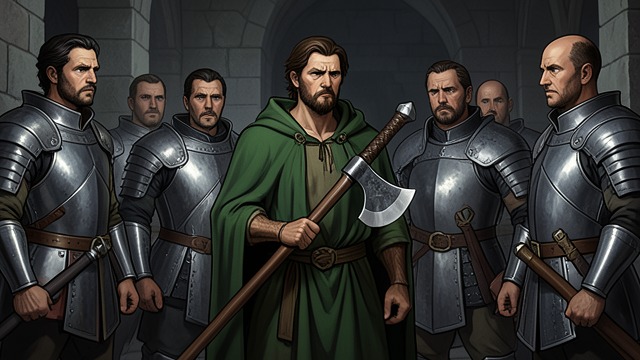
A Festive Spectacle
Game Language
The Green Knight presents a beheading challenge as a Christmas entertainment. Festive language disguises the seriousness of the bargain.
A Court Put on Stage
The assembled court becomes an audience whose courage and reputation are being tested.
The Public Stroke
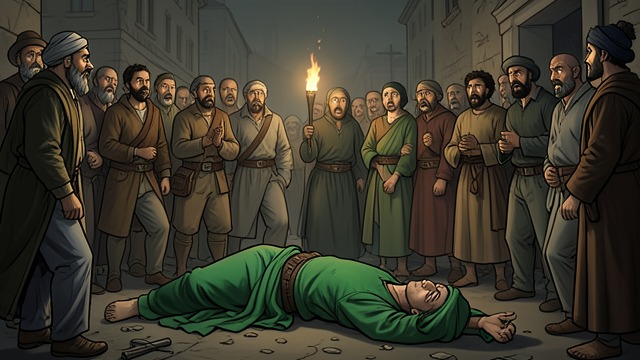
The Public Stroke
A Visible Act
Gawain decapitates the Green Knight before the court. The deed appears to settle the contest through spectacular violence.
A Delayed Meaning
The survival of the challenger shows that the act is only the beginning of the game.
The Private Year
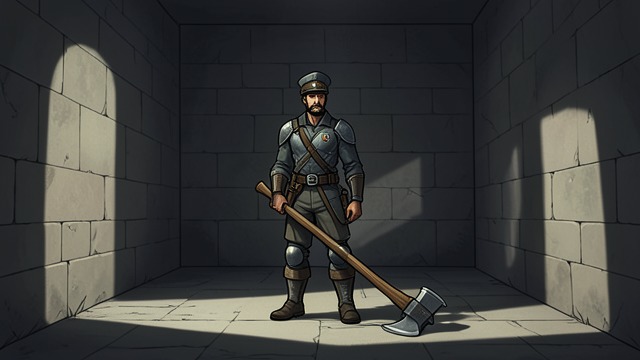
The Private Year
A Promise Carried Forward
Gawain must live with the knowledge that the return blow is due. The audience has dispersed, but the obligation remains.
Character Beyond Spectacle
The year tests whether an impressive public act can be matched by sustained fidelity.
The Final Audience
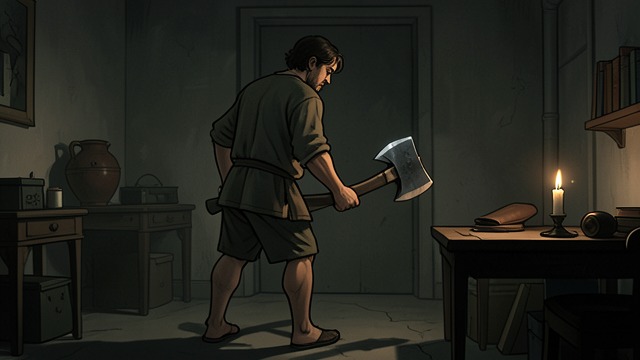
The Final Audience
A Solitary Encounter
Gawain faces the axe without the support of Camelot’s hall. The game’s theatrical spectacle becomes intimate and bodily.
A Measured Verdict
The three swings judge his conduct at Bertilak’s Castle as well as his initial courage.
A Story Repeated at Court
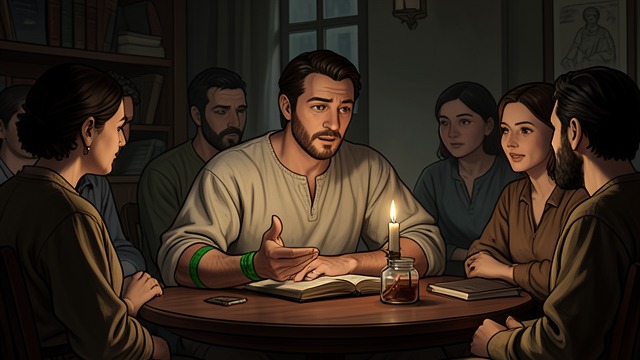
A Story Repeated at Court
Meaning Shared
Gawain recounts the game and its judgment to Arthur’s court. The private test becomes a story the community can interpret.
Theater into Teaching
The green band preserves the lesson after the axes and danger are gone.
At Christmas in Camelot
At the close of the Christmas feast
Between the two New Year celebrations
New Year’s morning at the Green Chapel
At Camelot after the return
