All Hallows' Day
Sir Gawain and the Green KnightAll Hallows’ Day marks a moment when courtly celebration and the pressure of an approaching journey meet. King Arthur holds a feast for Sir Gawain’s sake, and the day becomes a temporal hinge between the fellowship of the court and the seasonal passage that carries the narrative toward its New Year reckoning.
Place in the Calendar
The poem places All Hallows’ Day within a larger progression of seasonal and feast-day markers. It opens at Christmas; later, the passing of Christmas and the arrival of Lent signal the movement of the year. All Hallows’ Day is another named point in that progression, giving the narrative’s passage of time a ceremonial shape rather than presenting it only as an interval between adventures.
The date also belongs to a story organized around a deadline. Much later, Saint John’s Day marks the end of the festivities at the castle where Sir Gawain is staying, and the narrative then moves toward New Year, when his appointment must be met. These later markers make the calendar consequential: the feasts register time passing while the obligation set in motion at court draws nearer.
The Feast at Arthur’s Court
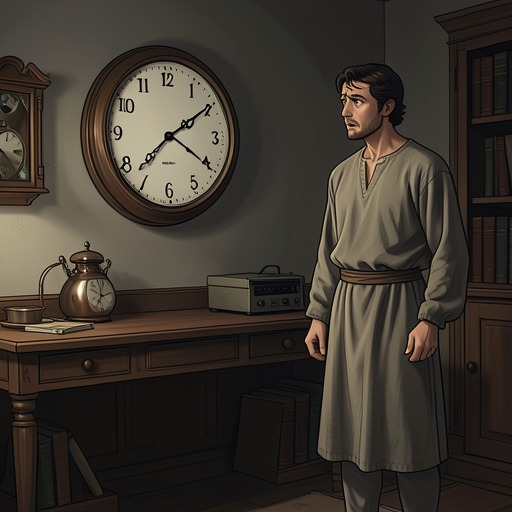
Sir Gawain remains with King Arthur until All Hallows’ Day, although thoughts of his anxious journey are already upon him. The feast therefore does not erase the journey from view; it gives him a final interval within the king’s company before the outward movement of the romance.
King Arthur makes the celebration for the company’s sake, with abundant revelry and the richness of the Knights of the Round Table. The account presents the occasion as communal and splendid, placing Sir Gawain’s departure against the pleasures and fellowship of court life. The contrast gives the date narrative weight: the knight is still among his companions, but the journey that preoccupies him is approaching.
Narrative Function
All Hallows’ Day functions as a threshold in the poem’s chronology, not as the destination of Sir Gawain’s quest. The feast holds him at court for a defined period; the larger seasonal sequence then carries the story beyond that occasion and toward the New Year. Courtly festivity and the approaching deadline thus occupy the same narrative frame: celebration offers a pause, but it cannot suspend the passage of time or the obligation Sir Gawain must eventually face.