Michaelmas
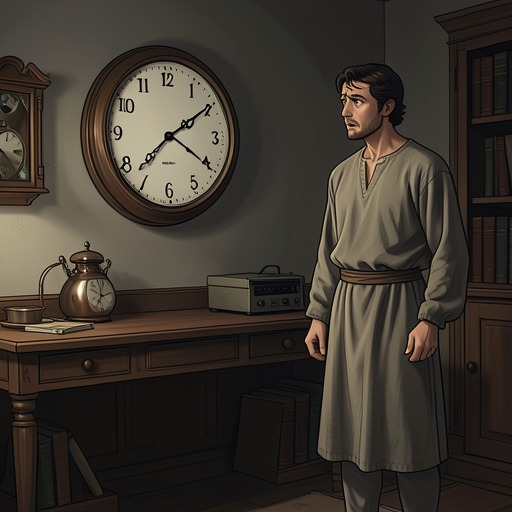
Sir Gawain and the Green KnightMichaelmas is a seasonal and narrative marker in Sir Gawain and the Green Knight: its arrival signals winter’s return and brings Sir Gawain’s anxious journey into view. The poem places the marker within the court’s passage through a cycle of feasts, fasts, and changing weather, linking the movement of the year to the pressure of an approaching obligation.
Seasonal Placement
After Christmas, the poem marks the arrival of Lent, when meat gives way to fish and simpler food. The seasons continue to turn, and winter weather returns; the Michaelmas moon arrives with what the poem calls winter’s wage. Michaelmas thus belongs to a recurring seasonal pattern rather than appearing as an isolated date.
The Approaching Journey
At the mention of Michaelmas, Sir Gawain soon thinks of his anxious journey. The seasonal marker therefore carries a personal consequence: as winter returns, the adventure he must undertake moves back into his thoughts. The poem does not make Michaelmas itself the departure, but uses the date to bring the journey’s looming demand into focus.
Court Observance
Sir Gawain remains with King Arthur until All Hallows’ Day. On that feast, King Arthur holds a celebration for his companions, with revelry and rich fare for the Knights of the Round Table. The court’s festive observance sits beside Sir Gawain’s concern about the journey, placing communal celebration and private apprehension within the same calendar passage.
Narrative Function
Michaelmas helps the poem measure time through seasonal change and named feast days. Its return of winter gives the passage a concrete turning point, while its proximity in the narrative to Sir Gawain’s thoughts of the journey makes the calendar carry suspense: the year advances, and so does the obligation that awaits him.