
The Long History Behind the Fiction
Small Things Like TheseThe novel’s fictional Christmas story opens onto the documented history of Ireland’s Magdalene laundries and mother-and-baby homes, emphasizing the scale and persistence of institutional harm.
increasing Bearing strength in each event
 decreasing
Bearing strength in each eventdecreasingA System Built on Secrecy
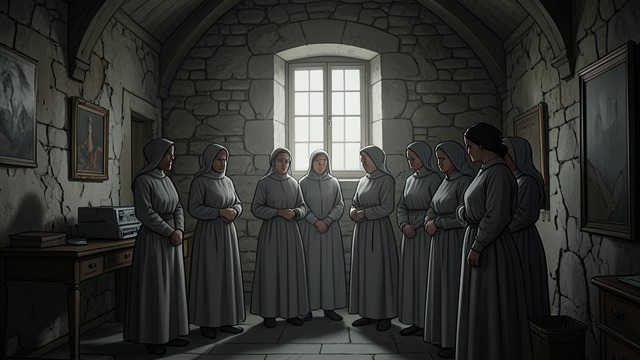
A System Built on Secrecy
Institutional confinement
The story’s convent reflects a wider history of girls and women being hidden, confined, and forced to labor in religious institutions. Public knowledge remained partial and contested.
Records and absence
The absence of reliable records is part of the harm. People subjected to the system were often denied both freedom in life and recognition afterward.
Children Separated and Lost
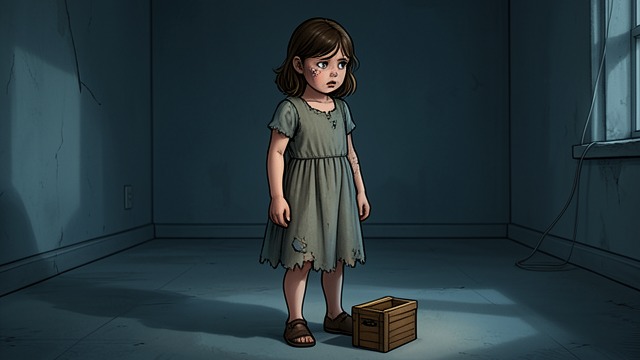
Children Separated and Lost
A history of separation
The later note on the text describes infants who died or were adopted out from institutions. Such practices echo Sarah Redmond’s uncertainty about her own baby.
Harm beyond one household
The novel’s invented character gives emotional immediacy to histories affecting many families. Her question about who is feeding the child points toward a much wider pattern.
The Last Laundry Closes
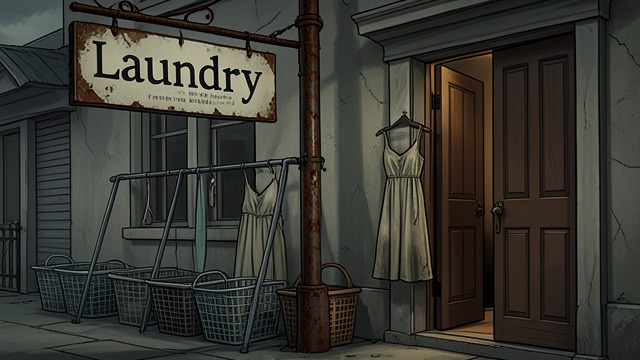
The Last Laundry Closes
A long institutional afterlife
Ireland’s last Magdalene laundry did not close until 1996, long after the story’s 1985 setting. The institution’s persistence shows that the depicted abuses belong to a continuing history.
Closure is not repair
Ending operations does not restore stolen years or reunite families. The distinction between closing an institution and repairing its consequences remains essential.
A Public Apology

A Public Apology
State acknowledgment
The Irish government apologized for the Magdalene laundries in 2013. The acknowledgment came decades after the story’s fictional events and after years of silence.
Recognition after harm
An apology can name responsibility but cannot give back the lives lost to institutional coercion. Its lateness highlights how long public recognition was withheld.
The Findings Made Public
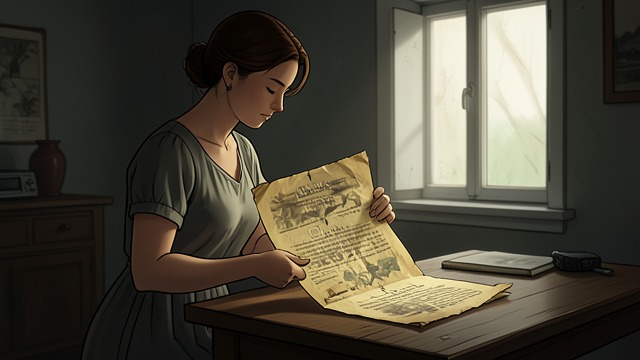
The Findings Made Public
Evidence brought forward
Catherine Corless publicized findings that hundreds of infants died at the Tuam home. A later commission report recorded thousands of deaths across institutions it investigated.
Fiction beside testimony
The note on the text insists that the novel is not based on a specific individual while locating its moral concerns in documented history. Evidence widens the story beyond one fictional rescue.
the decades before 1985
1925–1961
1996
2013
2014 and the later Commission report
