
The Difference Between Charity and Justice
Small Things Like TheseGifts, reliable payments, and occasional generosity coexist with coercive systems, revealing how benevolence can preserve unequal power when it avoids confronting injustice.
increasing Bearing strength in each event
 decreasing
Bearing strength in each eventdecreasingA Benefactor’s Help
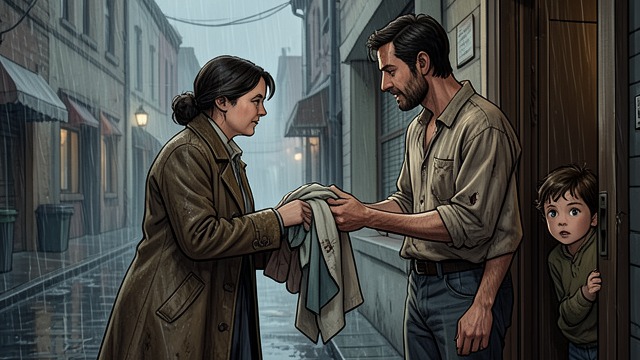
A Benefactor’s Help
Material assistance
Mrs Wilson provides work and shelter to Bill Furlong’s mother and helps care for her child. Her action prevents immediate deprivation.
Kindness within an unequal order
The help is real, but it depends on one person’s choice rather than a system guaranteeing support. The story honors the kindness while showing why it cannot replace justice.
The Convent’s Christmas Money
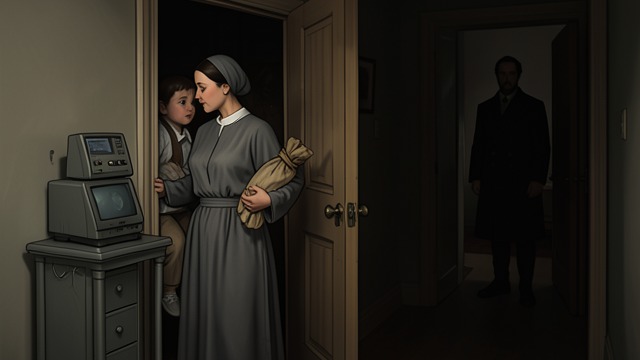
The Convent’s Christmas Money
A customary gift
The Mother Superior gives Bill Furlong money at Christmas, and the household can use it for expenses. The gesture appears generous on its surface.
Benefit beside coercion
Sarah remains confined and separated from her child as the money changes hands. The gift illustrates how charity can coexist with power and help keep an unequal relationship undisturbed.
A Neighbor’s Water

A Neighbor’s Water
Help without patronage
A neighbor gives Bill Furlong water and offers him tea without invoking status or expecting institutional loyalty. Her kindness meets a simple need.
A contrast in generosity
Unlike the convent’s gift, her help carries no visible attempt to manage a story or secure dependence. The contrast separates mutual care from charity used within unequal power.
The Warning of Dependence

The Warning of Dependence
Security tied to influence
Mrs Kehoe tells Bill Furlong that the convent has power over local opportunities, including those connected with his daughters’ schooling. He has worked hard for the security now at stake.
Charity cannot settle the question
A family can benefit from institutional favor while another girl suffers under the same authority. The story asks whether receiving benefits can justify remaining silent about coercion.
Shelter Instead of Payment

Shelter Instead of Payment
A direct act
Bill Furlong takes Sarah Redmond home rather than accepting that a seasonal gift or polite words have settled the matter. He offers immediate protection, not a token substitute.
Justice still unfinished
The rescue is not a reform and does not answer Sarah’s questions about her child. It shows the difference between giving something away and confronting the power that produces need.
1946
the Sunday before Christmas morning
the Sunday before Christmas before dawn
Christmas Eve afternoon
Christmas Eve night
