
Seeing the Person Behind the Label
Small Things Like TheseFrom rumors about the laundry girls to Sarah Redmond’s own name and needs, the story traces a movement from social categories toward attention to individual personhood.
increasing Bearing strength in each event
 decreasing
Bearing strength in each eventdecreasingThe Girls as a Category

The Girls as a Category
Talk without faces
Town residents refer to the girls at the convent through labels and rumors. Their individual histories are largely absent from public conversation.
Distance maintained
Categorizing the girls makes their treatment easier to discuss without responding to any one person. Social distance becomes a form of protection for those who would rather not intervene.
A Plea with a Voice

A Plea with a Voice
One girl speaks
A girl asks Bill Furlong to take her away and says she has nobody. Her personal words disrupt the abstract stories told about the institution.
A voice not yet answered
Bill Furlong’s refusal leaves the plea unresolved. Even when an individual becomes visible, recognition alone does not ensure that anyone will act.
Sarah Gives Her Name
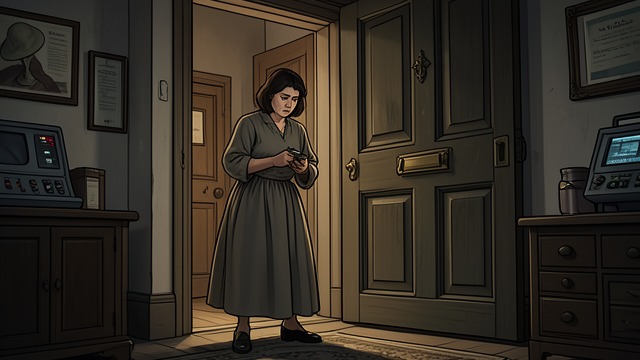
Sarah Gives Her Name
A name beyond the institution
When Bill Furlong asks, the girl says that she goes by one name inside, then gives him her own: Sarah Redmond. She also identifies the area her people come from.
Personhood reclaimed
Naming does not free her, but it creates a relation that the institution’s categories cannot fully absorb. Bill Furlong can no longer think of her only as a convent girl.
The Town Looks at Her

The Town Looks at Her
Recognition in public
Neighbors notice Sarah Redmond’s bare feet and identify her as one of the laundry girls. Their attention often stops at recognition rather than inquiry.
Individual and label collide
Sarah is physically beside Bill Furlong, yet strangers still see a category. The scene reveals how difficult it is to move from seeing someone to acknowledging her needs.
Walking Beside Sarah

Walking Beside Sarah
A person accompanied
Bill Furlong continues to support Sarah through the town, accepting the visibility of her condition and his association with her. He does not hide the person he is helping.
Recognition made relational
The rescue treats Sarah as someone whose safety matters, not as a rumor or institutional case. The ending leaves her future uncertain while affirming the importance of standing beside her now.
early December 1985
early December 1985
the Sunday before Christmas late morning
Christmas Eve night
the final moments of Christmas Eve
