River Barrow
Small Things Like TheseThe River Barrow is the physical and symbolic waterway beside New Ross in Small Things Like These. It carries the town’s weather and reflections, separates the streets from the convent on the opposite side, and becomes a threshold Bill Furlong crosses with Sarah Redmond. Its force lies in this double character: the river follows its own course toward the sea, while people living beside it remain caught in local hardship, rumor, and silence.
Setting and the town
In autumn, the changing weather registers along the river. After the clocks go back and November winds strip the yellow trees, rain swells the Barrow, whose dark surface is compared to stout. Smoke from New Ross’s chimneys drifts in drawn-out strands along the quays before dispersing. The river thus belongs to the town’s ordinary working life and its cold, wet season: it receives the weather, the smoke, and the view of a community enduring another raw day.
That setting is not separate from economic strain. In 1985, the shipyard has closed, Albatros has made redundancies, and local businesses have dismissed workers or shut their doors. Bill Furlong hears news of emigration and political unrest while making his rounds as a coal and timber merchant. The Barrow runs beside this diminished town, not as a remedy for its hardships but as part of the landscape in which they are felt. Its swollen water gives the opening weather a visible scale, while the quays connect the river to the town’s movement and trade.
The far bank and the convent
Across the river, the New Ross Good Shepherd Convent stands on a hill facing the town. Its black gates, tall windows, clipped hedges, and orderly garden make it conspicuous from a distance. The river places the institution within sight of New Ross but on the other side of a physical divide. That arrangement matters in a story where the convent’s laundry serves respectable households and businesses, even as rumors circulate that girls there are made to work from dawn until night and that unmarried mothers and their babies are hidden away.
The rumors are not all presented as verified fact: townspeople also dismiss much of what is said as gossip. Yet the river’s geography sharpens the contrast between visibility and knowledge. The convent faces the town, and its work enters the town through clean laundry, but what happens inside remains uncertain to those across the water. Furlong’s early-morning view from the hill reverses that perspective. Looking down, he sees the illuminated town and its reflection on the river, and recognizes how things can appear finer at a distance. The view joins the two banks optically even as the water keeps them apart.
Folklore and memory
The Barrow also carries a local story of a curse. According to the tale Furlong remembers, monks who had built an abbey were granted the right to levy tolls on the river. Their growing covetousness provoked a rebellion, and, as the monks departed, the abbot cursed the town: each year, the river would take three lives, no more and no fewer. This is reported as folklore, not established history. Its hold on Furlong comes partly through his mother, who believed there was some truth in it and recalled a cattle-dealer whose lorry went off the road on New Year’s Eve, making him the year’s third drowning.
The river therefore links public legend to intimate recollection. Furlong remembers his mother holding him with one freckled arm while churning butter, or singing as she milked with Ned in the evenings. Her occasional slaps for small misdeeds belong to the same memory of ordinary closeness. Against those recollections, the story of water taking lives gives the Barrow a more troubling presence: it is at once familiar landscape and an imagined power that cannot be controlled.
Crossing toward the sea
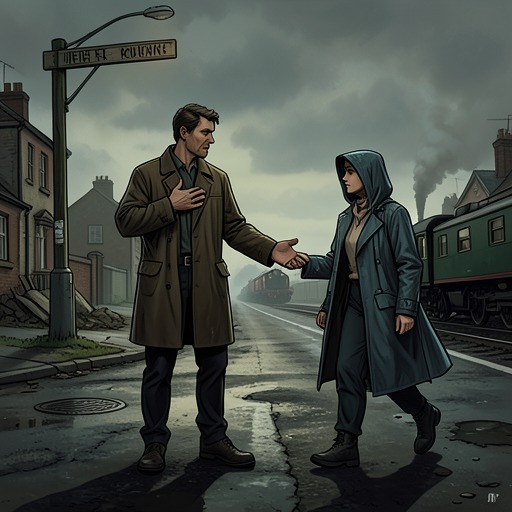
On Christmas Eve, after refusing a Dublin girl’s request to take her to the river so she could drown, Furlong later crosses the Barrow with Sarah. She has been confined at the convent, and he leads her away barefoot through the snow. As they cross, he envies the river its knowledge of its own course: it follows that course freely toward the open sea. The thought contrasts the water’s unimpeded movement with Sarah’s confinement and with Furlong’s struggle between self-preservation and courage.
The crossing is also public. On the way through town, people Furlong knows notice Sarah’s bare feet; some avoid them, others speak awkwardly, and a child calls her dirty before his father rebukes him. The river crossing has brought Sarah out of the convent, but it does not carry her beyond the town’s judgment. In that contrast, the Barrow’s direction toward the sea offers an image of freedom without pretending that a single act has erased the social conditions around her.
Narrative significance
The Barrow recurs in scenes of looking, remembering, and choosing. At dawn, the town appears both in itself and as a reflection; later, the water recalls a curse and Furlong’s mother; finally, its onward flow gives form to the freedom he wants Sarah to reach. These appearances make the river more than a boundary or picturesque feature. It is a measure against which limited human movement becomes visible: the convent and town stand across from one another, while the water continues past them.
That image gains force from the book’s closing historical note. It records the later closure of Ireland’s last Magdalen laundry in 1996 and describes the scale of confinement, forced labor, infant deaths, and lost records associated with these institutions. It also reports Catherine Corless’s discovery concerning the deaths of 796 babies at the Tuam home between 1925 and 1961, and notes that the Irish government did not apologize for the Magdalen laundries until 2013. The river itself does not explain or resolve this history. Rather, its changing role—from rain-swollen town water to the course Furlong envies—helps frame the difference between a landscape that keeps moving and the lives that institutions and public silence can hold in place.