From the earth have you come; to the earth shall you return; from the earth shall you rise again
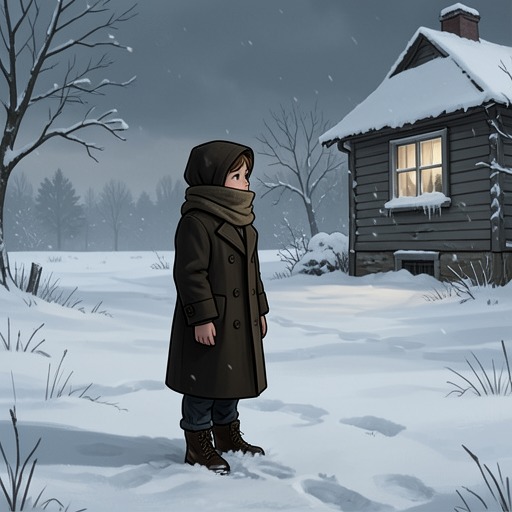
Smilla's Sense of SnowThe expression “From the earth have you come; to the earth shall you return; from the earth shall you rise again” sets human life within a three-stage cycle: origin in the earth, return to it, and renewed emergence. Its movement from beginning, through death, toward rising gives the words a ceremonial, funerary resonance without making renewal certain or describing how it occurs.
Three Movements
The first clause names an origin; the second makes return inevitable; the final clause turns that return toward the possibility of rising again. Each statement changes the force of the one before it: the earth is first a source, then a destination, and finally the ground of renewed life. The sequence therefore holds mortality and hope together rather than resolving one into the other.
Repetition and Meaning
The repeated reference to the earth binds the three clauses into a single pattern. The wording moves forward in time, yet its return to the same element gives the sequence a circular quality: departure and arrival belong to one continuous relation. The closing promise of rising again does not erase the preceding return; it makes that return part of the expression’s larger cycle.
Place in the Narrative
The expression appears in three successive fragments: first the statement of coming from the earth, then the assurance of returning to it, and finally the prospect of rising again. Presented this way, its sense unfolds incrementally. The final clause completes the progression and shifts its emphasis from the certainty of death to the possibility of what follows.