
Meredith’s Fall into Responsibility
Speak No EvilThis flow follows Meredith from impulsive friendship and self-protective privilege toward guilt and public accountability after Niru’s death.
increasing Bearing strength in each event
 decreasing
Bearing strength in each eventdecreasingProvocative Friendship

Provocative Friendship
Shared Mischief
Meredith’s jokes, impressions, and physical confidence animate Niru’s school life. She assumes intimacy gives her permission to push him toward experiences he fears.
Unseen Pressure
Her installation of dating applications is meant as encouragement, yet it disregards Niru’s religious and familial danger. Her help is affectionate but careless.
Narrative Importance
The friendship begins as an engine of liberation while already containing the asymmetry that will later make Meredith accountable.
Jealous Withdrawal

Jealous Withdrawal
Broken Communication
Meredith retreats after Harvard rejects her and after Niru begins avoiding her. Their silence is compounded by resentment, embarrassment, and his new attachment to Damien.
Misread Injuries
She interprets his distance as abandonment, while he interprets Rowan’s knowledge as her betrayal. Neither can explain the fear beneath the accusation.
Narrative Importance
The friendship’s failure is not caused by one secret alone. It grows from two young people using anger to protect themselves from loss.
The Alley Encounter

The Alley Encounter
Escalating Misunderstanding
At the club, Meredith resists leaving and Niru grabs her. His fear and protectiveness become physical force, while her intoxication turns resistance into a struggle.
Sudden Police Arrival
Police lights transform a private conflict into a racialized public emergency. Niru reaches toward his ringing phone as officers perceive imminent danger.
Narrative Importance
The scene exposes how quickly Black male vulnerability is recoded as threat, especially when a white girl’s safety becomes the governing narrative.
The Public Victim

The Public Victim
Institutional Story
Meredith is placed in the hospital while officials and media describe her as an assaulted girl. The account protects her family but contradicts her memory.
Moral Dislocation
She knows Niru did not rape her and that she helped create the confrontation. Yet adults advise silence because public sympathy is politically useful.
Narrative Importance
Meredith becomes both survivor and beneficiary of a false story, trapped between private guilt and the social rewards of victimhood.
The Decision to Speak
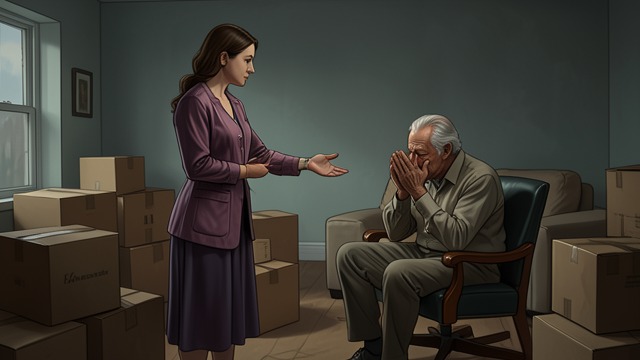
The Decision to Speak
Return to Washington
Meredith comes back to the emptying family house and to the city where Niru died. The return strips away the distance that had allowed her to function.
Confrontation with Obi
She tells Niru’s father that they must tell the whole story. Her statement cannot restore Niru, but it rejects the protected lie that preserved her family’s reputation.
Narrative Importance
Responsibility becomes an action rather than a feeling. Meredith finally accepts that truth may damage her more than silence does.
early in senior year
after Niru returns from Nigeria
the night of Riverrun
the hours after the shooting
six years after the shooting
