
Grief and Remembrance
Speak No EvilThis flow traces how Niru’s death reshapes the surviving characters’ memories, homes, bodies, and public narratives.
increasing Bearing strength in each event
 decreasing
Bearing strength in each eventdecreasingEarly Foreshadowing
Early Foreshadowing
Fear of Loss
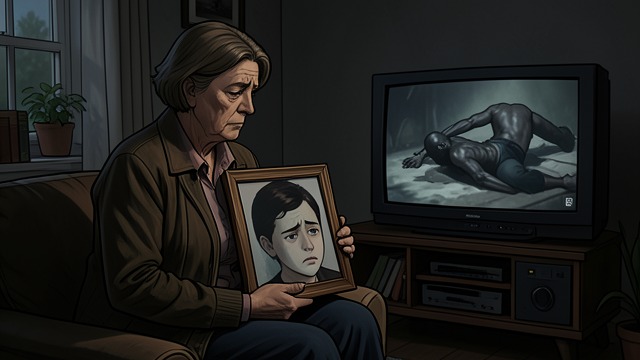
Ify remembers her dead daughter and worries that tragedy could happen again. Niru’s own thoughts sometimes imagine death as release from impossible pressure.
Social Jokes
The recurring joke that the Black character dies first turns entertainment into a disturbing prophecy. Niru’s vulnerability is visible even when treated as humor.
Narrative Importance
The novel builds grief before the death occurs. Loss is anticipated through family history, racial threat, and mental distress.
The Fatal Absence
The Fatal Absence
Sudden Death
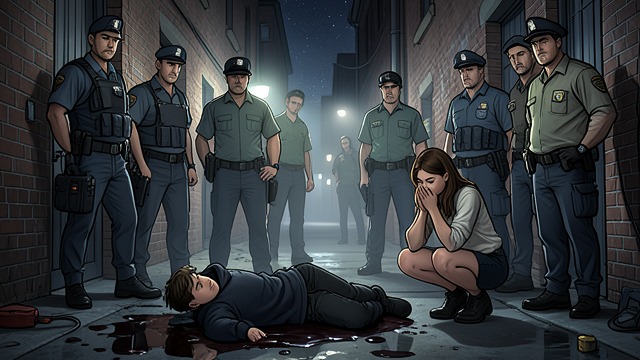
Niru is shot in the alley while Meredith survives. The event ends the possibility of reconciliation between them.
Immediate Isolation
Meredith is surrounded by police and medical staff, yet experiences profound aloneness. Niru’s family learns of the death through institutional channels.
Narrative Importance
Death transforms a conflict among teenagers into a permanent structure of grief for two families and a city.
The Empty Bedroom

The Empty Bedroom
Domestic Ruin
Niru’s home fills with dust, dirty dishes, newspapers, and neglected food. Obi’s inability to maintain the house reveals how thoroughly grief has disordered him.
Preserved Evidence
Photographs, trophies, and objects remain in place, making absence more tangible. The family lives among signs of a life that cannot continue.
Narrative Importance
Grief is shown as material neglect. The house mourns through decay rather than ceremony.
Public Forgetting

Public Forgetting
Faded Protest
The crowds and slogans that once filled Washington have disappeared. New political emergencies have replaced Niru in public attention.
Private Persistence
Meredith still carries the memory, and Obi still faces the social meaning of his son’s death. Forgetting is unevenly distributed.
Narrative Importance
The novel distinguishes public remembrance from personal grief. A death may become history for the city while remaining immediate for the family.
The Jacket Returned

The Jacket Returned
Material Remembrance
Meredith carries Niru’s windbreaker through the night and returns it to Obi. The garment becomes a modest substitute for the person who cannot receive it.
Recognition
Obi recognizes Meredith and asks whether they have been there before. Memory begins between them before explanation does.
Narrative Importance
The ending turns an object into a bridge. It cannot repair the past, but it creates the first physical possibility of shared mourning.
before Niru’s death
the night of the shooting
after the funeral period
six years after the shooting
the final morning
