
The Final Race
Speak No EvilThis flow follows running as Niru’s discipline, escape, achievement, and final break from the life designed for him.
increasing Bearing strength in each event
 decreasing
Bearing strength in each eventdecreasingCoach’s Promise

Coach’s Promise
Athletic Potential
Coach Erickson identifies Niru as a possible conference champion. Training offers measurable progress unlike the moral confusion surrounding his sexuality.
Competitive Identity
Niru wants a distinction that belongs only to him, separate from OJ’s reputation and Obi’s expectations. Running becomes a controlled language of effort.
Narrative Importance
The track gives Niru a temporary selfhood, though its discipline also resembles the family’s demand that he master himself.
Pace and Panic
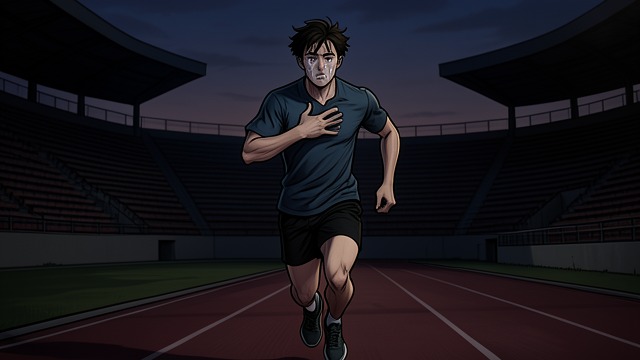
Pace and Panic
Physical Breakdown
On bad days, Niru runs through static, dizziness, and constricted breath. His body registers the conflict that his speech cannot safely express.
Religious Interpretation
Reverend Olumide calls these struggles temptation and recommends more prayer. Niru is encouraged to treat symptoms as moral failure.
Narrative Importance
Running exposes the cost of repression: the supposedly disciplined body becomes the place where fear erupts.
Championship Surge

Championship Surge
Public Achievement
Niru wins with a personal best while teammates and parents celebrate. The result fulfills the athletic promise that has structured his season.
Private Exhaustion
He can barely breathe after finishing. The victory feels less like arrival than another demand to continue performing.
Narrative Importance
The race proves his capacity, but it also clarifies that excellence cannot make the life around him acceptable.
The Stalled Drive
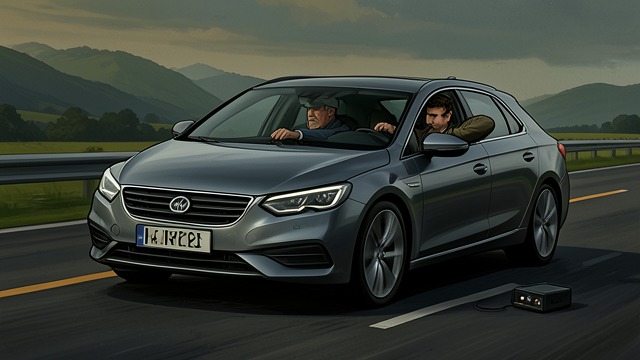
The Stalled Drive
Father and Son
Obi gives Niru the Range Rover as a gesture of pride, but instruction quickly becomes surveillance. Their old struggle returns inside the moving vehicle.
Loss of Control
When Obi reaches for Niru’s phone, the car swerves and stops on the parkway. Niru realizes that no technical competence can calm the relationship.
Narrative Importance
The broken journey externalizes the family’s paralysis. The car is powerful, expensive, and useless as long as fear governs both occupants.
Highway Escape
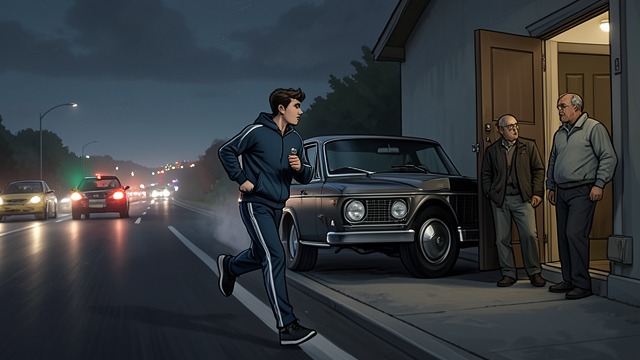
Highway Escape
Refusal of Return
Niru exits the Rover while traffic horns rise around him. Obi asks him to come back, but Niru no longer believes conversation can repair the structure imprisoning him.
Running Again
He runs along the shoulder despite exhaustion and fear. The motion is not athletic now; it is an emergency claim to physical autonomy.
Narrative Importance
The novel’s recurring act of running becomes a break with inherited authority. Niru chooses uncertainty over a controlled life that has become unbearable.
the first practices of spring
after returning from Nigeria
the final track championship
immediately after the championship
near the end of Part I
