Domestic pig
Stephen King Three Classic Novels Box Set: Carrie, 'Salem's Lot, the ShiningDomestic pig is significant in the novel not as an individualized animal character but as the source of the pig blood used to turn the 1979 Spring Ball into a ritual of public degradation. Once removed from its ordinary agricultural context, the blood becomes an instrument shared between cruelty, religious symbolism, and mass violence: it is collected, suspended above the stage, poured over Carrie White, and then folded into the language of retaliation as the phrase “Pig blood for pigs.”
Material Source and Narrative Function
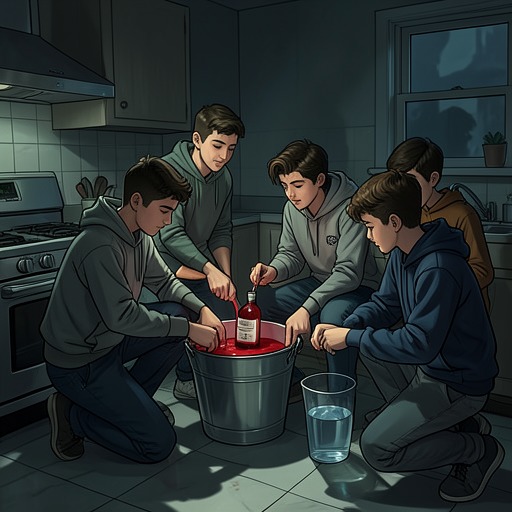
Domestic pig appears through the physical substance taken from it. The White Commission identifies two buckets of pig blood suspended on a beam over the stage as the supposed trigger of the entire affair, although its report treats the evidence with hesitation and notes that Billy Nolan may have added the blood element to the conspiracy on his own initiative. That uncertainty does not lessen the blood’s practical importance. The buckets provide the prank with a concrete mechanism, while the competing accounts of who originated the plan reveal how quickly responsibility becomes disputed after catastrophe.
The blood is also connected to the novel’s larger sequence of bodily and religious images. Carrie White’s first menstruation is discovered when blood runs down her leg in the school shower, and the girls’ mockery turns the natural sign of puberty into public shame. Margaret White interprets blood through a private theology in which intercourse, childbearing, and menstruation are curses inherited from Eve. In that setting, pig blood is not a neutral prop. It enters a symbolic system already prepared to treat blood as pollution, punishment, sacrifice, and proof of sin.
Billy Nolan’s Harvest and Installation
Billy Nolan handles the pig blood as a technical component of the prank. After driving to the deserted school late at night, he opens the trunk and unlocks an ice chest in which the blood has frozen solid. He expects it to thaw during the next twenty-two hours, showing that the plan depends on both timing and material preparation rather than on an impulsive act at the dance.
He places the buckets on the ground and gathers tools from his kit, then enters the gym-auditorium through a forced window. Wearing Playtex rubber gloves, he installs pulleys and an eyehole screw above the platform, using equipment purchased at a hardware store in Lewiston and a tool he made in the Chamberlain metal shop. The careful arrangement conceals the mechanism from people below while allowing the buckets to be positioned over the stage. The pig blood therefore operates as both substance and device: it must be thawed, transported, lifted, and released at the precise public moment.
Billy later returns for the buckets, which still show no sign of thawing. He carries them back to the window with one in each hand, using the weight for balance while walking the beam, and places them on a chalk-marked position before returning to the platform. He considers wiping away fingerprints left by Kenny, Don, and Steve but decides against it, imagining that the evidence might produce a surprise the following morning. His amusement at that possibility makes the blood’s function unmistakable: it is not merely a prank accessory but a deliberately planted trace of conspiracy and an extension of his appetite for control.
The Spring Ball Prank
The release occurs after Tommy Ross and Carrie White are announced as the winners of the King and Queen vote by a single ballot. Vic Mooney presents the result as the ceremonial climax of the evening, and the applause temporarily gives Carrie a place within the school community. The crowning moment is immediately overturned when a huge red splash bursts through the air. Witnesses see blood strike the mural and run down it in long drips; Carrie is drenched most severely, appearing as though she has been dipped in red paint, while Josie and the Moonglows and the band’s white instrument are also splattered.
The prank repeats the structure of the shower-room humiliation while changing its scale and force. In the shower, Carrie’s menstrual blood exposed her to a circle of girls who laughed at what they treated as grotesque and shameful. At the Spring Ball, the concealed buckets reproduce that exposure before the entire assembled school. Carrie’s memory fuses the two scenes: the blood on her body becomes inseparable from the shower, the tampons and napkins thrown at her, and the commands to “plug it UP.” The prank thus presents itself as a cruel answer to the earlier humiliation, giving Carrie the “shower” the girls had demanded, but now converting private bodily shame into a spectacle that implicates the whole community.
The grotesque force of the scene lies in the collapse of boundaries between person and substance, celebration and punishment, and ceremonial honor and public contamination. The blood is first mistaken by some observers for paint, but Carrie recognizes its meaning through the full sensory return of the earlier incident. The substance does not simply mark her dress or skin; it reclassifies the coronation itself. A moment intended to certify belonging becomes an apparent reenactment of her exclusion, with the school’s applause and school song providing the ritual background to the assault.
Domestic pig is significant in the novel not as an individualized animal character but as the source of the pig blood used to turn the 1979 Spring Ball into a ritual of public degradation. Once removed from its ordinary agricultural context, the blood becomes an instrument shared between cruelty, religious symbolism, and mass violence: it is collected, suspended above the stage, poured over Carrie White, and then folded into the language of retaliation as the phrase “Pig blood for pigs.”
Material Source and Narrative Function
Domestic pig appears through the physical substance taken from it. The White Commission identifies two buckets of pig blood suspended on a beam over the stage as the supposed trigger of the entire affair, although its report treats the evidence with hesitation and notes that Billy Nolan may have added the blood element to the conspiracy on his own initiative. That uncertainty does not lessen the blood’s practical importance. The buckets provide the prank with a concrete mechanism, while the competing accounts of who originated the plan reveal how quickly responsibility becomes disputed after catastrophe.
The blood is also connected to the novel’s larger sequence of bodily and religious images. Carrie White’s first menstruation is discovered when blood runs down her leg in the school shower, and the girls’ mockery turns the natural sign of puberty into public shame. Margaret White interprets blood through a private theology in which intercourse, childbearing, and menstruation are curses inherited from Eve. In that setting, pig blood is not a neutral prop. It enters a symbolic system already prepared to treat blood as pollution, punishment, sacrifice, and proof of sin.
Billy Nolan’s Harvest and Installation
Billy Nolan handles the pig blood as a technical component of the prank. After driving to the deserted school late at night, he opens the trunk and unlocks an ice chest in which the blood has frozen solid. He expects it to thaw during the next twenty-two hours, showing that the plan depends on both timing and material preparation rather than on an impulsive act at the dance.
He places the buckets on the ground and gathers tools from his kit, then enters the gym-auditorium through a forced window. Wearing Playtex rubber gloves, he installs pulleys and an eyehole screw above the platform, using equipment purchased at a hardware store in Lewiston and a tool he made in the Chamberlain metal shop. The careful arrangement conceals the mechanism from people below while allowing the buckets to be positioned over the stage. The pig blood therefore operates as both substance and device: it must be thawed, transported, lifted, and released at the precise public moment.
Billy later returns for the buckets, which still show no sign of thawing. He carries them back to the window with one in each hand, using the weight for balance while walking the beam, and places them on a chalk-marked position before returning to the platform. He considers wiping away fingerprints left by Kenny, Don, and Steve but decides against it, imagining that the evidence might produce a surprise the following morning. His amusement at that possibility makes the blood’s function unmistakable: it is not merely a prank accessory but a deliberately planted trace of conspiracy and an extension of his appetite for control.
The Spring Ball Prank
The release occurs after Tommy Ross and Carrie White are announced as the winners of the King and Queen vote by a single ballot. Vic Mooney presents the result as the ceremonial climax of the evening, and the applause temporarily gives Carrie a place within the school community. The crowning moment is immediately overturned when a huge red splash bursts through the air. Witnesses see blood strike the mural and run down it in long drips; Carrie is drenched most severely, appearing as though she has been dipped in red paint, while Josie and the Moonglows and the band’s white instrument are also splattered.
The prank repeats the structure of the shower-room humiliation while changing its scale and force. In the shower, Carrie’s menstrual blood exposed her to a circle of girls who laughed at what they treated as grotesque and shameful. At the Spring Ball, the concealed buckets reproduce that exposure before the entire assembled school. Carrie’s memory fuses the two scenes: the blood on her body becomes inseparable from the shower, the tampons and napkins thrown at her, and the commands to “plug it UP.” The prank thus presents itself as a cruel answer to the earlier humiliation, giving Carrie the “shower” the girls had demanded, but now converting private bodily shame into a spectacle that implicates the whole community.
The grotesque force of the scene lies in the collapse of boundaries between person and substance, celebration and punishment, and ceremonial honor and public contamination. The blood is first mistaken by some observers for paint, but Carrie recognizes its meaning through the full sensory return of the earlier incident. The substance does not simply mark her dress or skin; it reclassifies the coronation itself. A moment intended to certify belonging becomes an apparent reenactment of her exclusion, with the school’s applause and school song providing the ritual background to the assault.
Immediate Violence and Catastrophic Consequences
The blood does not remain confined to Carrie. As the mechanism releases its load, a quarter-full bucket strikes Tommy Ross on the head. The raised rim hits him before the weight knocks him unconscious, and he remains sprawled on the stage as an electrical fire begins in the equipment belonging to Josie and the Moonglows. The fire spreads from the mural to the backstage accumulation of old uniforms, books, and papers, and Tommy is dead when the oil tank explodes half an hour later. Pig blood thus links the humiliation directly to a chain of injury, fire, and death, even though the later destruction depends on the electrical equipment and the burning school materials as well.
The prank’s consequences also expose its perpetrators’ awareness of what has happened. After the Spring Ball, Jackie reports that people saw Carrie covered with blood and confirms that the blood used was pig blood. His account carries the first horrified recognition that the event was not an isolated embarrassment but part of the night’s wider disaster: the whole town is implicated in what followed. Billy’s earlier phrase, “Pig blood for pigs,” reduces the victims to objects of contempt, while the scene’s outcome turns that dehumanizing language back upon the community that authorized the spectacle.
From Bodily Pollution to Social Ruin
Pig blood acquires its fullest force through repetition and displacement. Menstrual blood begins as a sign of puberty that the school treats with ridicule and that Margaret White treats as evidence of inherited sin. Margaret later wounds herself, touches the blood, and marks the cover of Daddy Ralph’s Bible while invoking the Blood of the Lamb, making blood at once injury, sacrament, and proof of religious obsession. At the Spring Ball, pig blood carries those incompatible meanings into a public ritual, where it is neither sacred nor merely biological but an engineered instrument of shame.
Carrie’s reaction confirms the depth of that displacement. The red substance revives the shower-room scene so completely that the prom appears to deliver the punishment the earlier girls had demanded. What was first contained within a body, then interpreted inside the White family’s religious order, is finally spread across the stage, mural, clothing, musical equipment, and school building. The expansion from leg to dress, from dress to auditorium, and from auditorium to town gives the blood a material geography: pollution is no longer something imposed on one girl but a condition shared by the structures that produced and witnessed her humiliation.
The town’s subsequent destruction intensifies this pattern. Power transformers bloom into purple light, high-tension wires fall into the streets, people are burned or electrocuted, and fires spread through Chamberlain. Pig blood is not itself the agent of every death, and the narrative preserves the distinct physical causes of the later catastrophe, but it remains the event’s initiating emblem. It marks the instant when a supposedly controlled school ritual becomes irreversible, turning an agricultural product into the visible sign of communal violence and the threshold of social collapse.