
The Evidence After the Fire
Stephen King Three Classic Novels Box Set: Carrie, 'Salem's Lot, the ShiningThis arc follows how testimony, investigation, and public argument struggle to account for the disaster and Carrie’s role in it.
increasing Bearing strength in each event
 decreasing
Bearing strength in each eventdecreasingFirst Reports
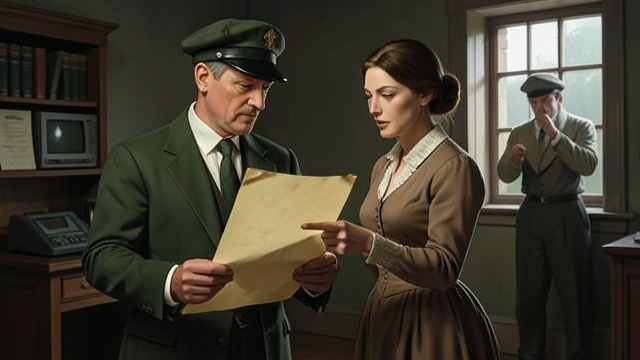
First Reports
Conflicting Explanations
Early wire reports describe an electrical fire and sprinkler malfunction, while residents witness events that do not fit a simple accident. The first public accounts cannot yet establish a coherent sequence.
The Record Begins
Fire, explosions, and missing people overwhelm ordinary reporting. Fragmentary observations become the starting point for later inquiry rather than a settled explanation.
Quillan’s Account
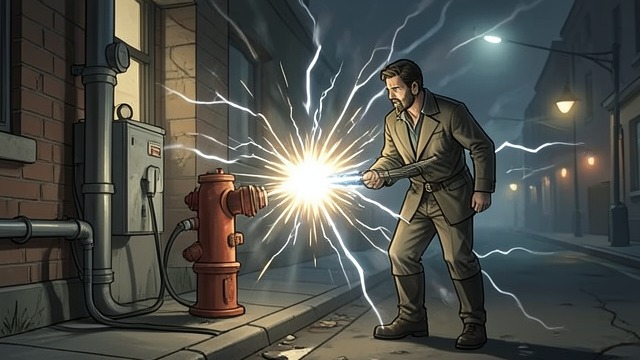
Quillan’s Account
A Witness at the Window
Thomas K. Quillan describes seeing Carrie White near a hydrant and watching it burst apart. He also recounts open gas pumps and the later explosion of a gas station.
Knowledge Beyond Sight
His account includes an unsettling sense of what Carrie is thinking. Investigators ask him to distinguish observation from inference, illustrating how testimony strains against events that seem impossible.
Survivors’ Testimony
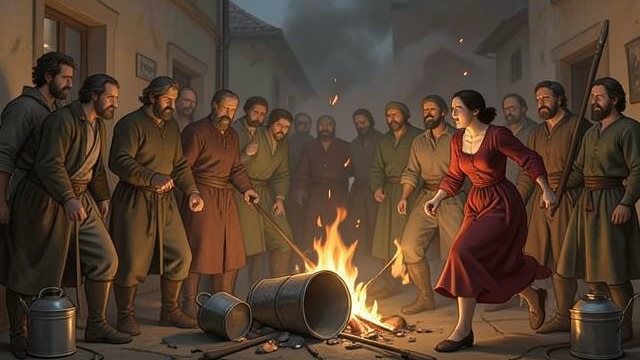
Survivors’ Testimony
Reconstructing the Prom
Survivors describe the buckets, the laughter, Carrie’s escape, and the rapid spread of electrical fire. Their memories disagree in detail but repeatedly identify the blood prank as a turning point.
The Limits of Witnessing
The scale and speed of the event make complete accounts difficult. Testimony records not only what happened but how fear, shame, and guilt shape recollection.
Sue Faces the Board
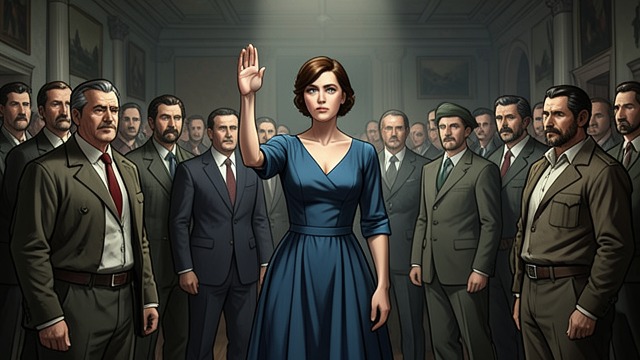
Sue Faces the Board
Repeated Questions
Susan Snell is pressed about how she found Carrie at The Cavalier. She rejects insinuations of a conspiracy and objects to being treated as a suspect rather than a witness.
An Unexplained Connection
Susan compares her knowledge to that reported by others who sensed Carrie’s presence. Her answer leaves the investigators with an unresolved phenomenon rather than a tidy evidentiary account.
The Official Conclusion
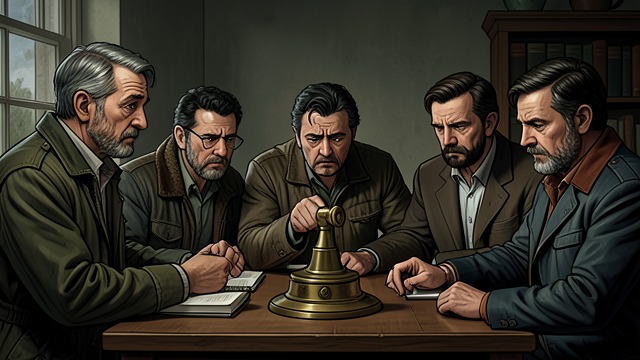
The Official Conclusion
Caution as Policy
The state investigation acknowledges possible unusual brain changes but denies that recurrence is likely or possible. This finding offers reassurance while leaving significant evidence unsettled.
A Future Deferred
Scientific writers challenge the dismissal and ask whether a heritable capacity could appear again. The debate makes the inquiry’s conclusion feel less like certainty than a decision to stop asking.
May 27, 1979, during the night of the fire
After the disaster, at the state inquiry
The weeks after May 28, 1979
During the later state investigation
After the inquiry, in its published conclusion
