
The Limits of Violence
Stolen WanderViolence repeatedly promises control but fails to resolve the underlying fear, humiliation, and mistrust that drive conflict.
increasing Bearing strength in each event
 decreasing
Bearing strength in each eventdecreasingA Fight With Bill
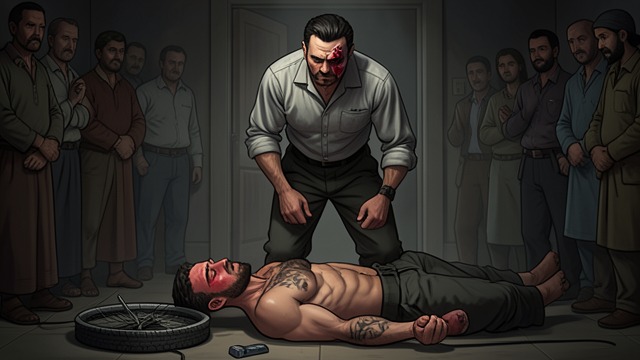
A Fight With Bill
Force used earlier
Rex previously knocked Bill down quickly, humiliating him and contributing to Bill’s hostility. The physical victory solved no relational problem.
Consequences return
When Rex later needs Bill’s help, the memory of the fight stands between them. Rex recognizes that he may have handled the encounter badly and apologizes.
The episode shows that winning a physical contest can create a longer conflict. Repair requires the humility that force had avoided.
A Gun as False Authority
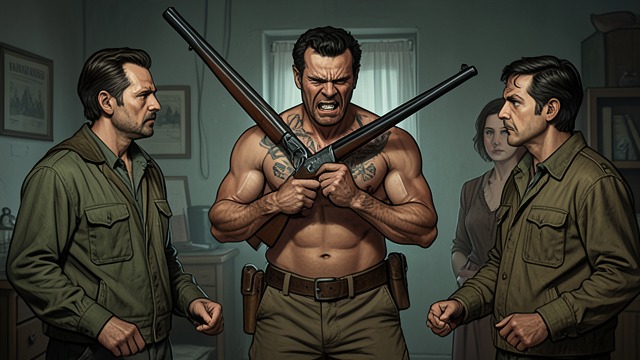
A Gun as False Authority
Threat as a substitute for trust
Bill points a shotgun at Rex and boasts about the weapon’s power. He appears to use it to restore authority after earlier humiliation.
No lasting solution
The gun does not reveal Nancy’s location or settle the men’s conflict. Rex’s apology and attention to Bill’s relationship with his daughter make progress where the weapon does not.
The scene challenges the belief that power can compel respect. The weapon creates danger, but it is accountability that opens a path to cooperation.
A Fair Fight’s Failure
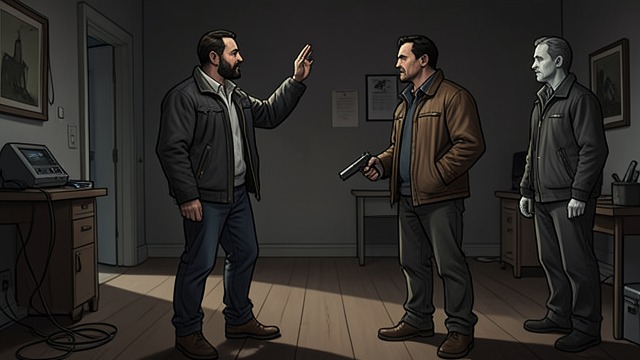
A Fair Fight’s Failure
Violence under agreed limits
Rex and Michaels fight after agreeing that their groups will stay out. Rex wins and offers Michaels an opportunity to stop.
The limit rejected
Michaels refuses to surrender and draws a gun. The contest’s rules cannot restrain him once pride becomes more important than the agreement.
The fight demonstrates that controlled violence can still fail as a path to settlement. Winning does not make the conflict safe when the defeated person refuses the result.
The Weapons Lowered

The Weapons Lowered
A different kind of leverage
Nancy appeals to the men’s families, careers, and pride rather than threatening them with greater force. Her argument gives them a reason to stop without escalating.
Violence refused
The officers and bikers lower their weapons. Snake follows Nancy’s request, and Michaels eventually does the same.
The crisis ends through persuasion and collective restraint rather than a decisive armed victory. The contrast suggests that force may command attention but cannot create a durable, shared peace.
Restraint as Strength

Restraint as Strength
Retaliation proposed
Snake wants to attack the departing officers, continuing the cycle after Michaels has already called the feud over. The impulse is understandable within the club’s logic of protecting its own.
A refusal to continue
The Old Man interrupts him and says the conflict is done. The club leaves the victory and humiliation where they are instead of turning them into another fight.
The choice reframes strength as an ability to stop. Ending violence requires accepting that safety and peace matter more than avenging every insult.
Before Rex searches for Nancy
During Bill’s confrontation with Rex
At The Mermaid after Michaels accepts Rex’s challenge
After Nancy addresses the standoff
After the standoff ends
