Regent's Park
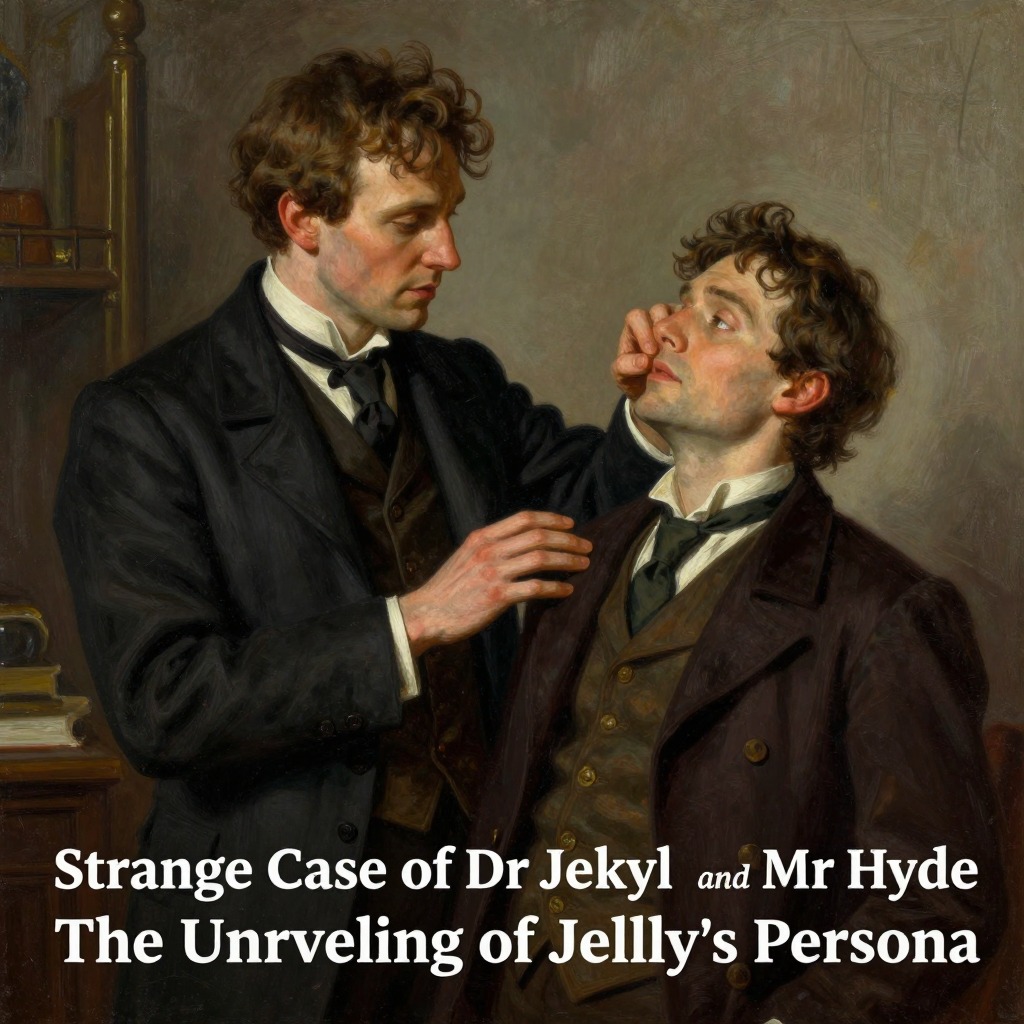
Strange Case of Dr Jekyll and Mr HydeRegent's Park, a public green space in London, becomes the stage for the most devastating and irreversible of Henry Jekyll's involuntary transformations into Edward Hyde. It is here, on a fine January day, that Jekyll, having briefly relapsed into secret sin, experiences a sudden, unprovoked metamorphosis that strips him of his respectable identity and leaves him a hunted fugitive. This event is the final calamity that shatters any remaining hope of Jekyll's redemption and seals his doom, marking the point of no return in his tragic narrative.
The Setting and the Relapse
The transformation occurs on a clear, cloudless January day, with the ground wet from melted frost. Regent's Park is full of winter chirrupings and sweet with spring odours, a scene of deceptive peace and natural renewal. Jekyll sits on a bench in the sun, the animal within him licking the chops of memory, while his spiritual side remains drowsed, promising subsequent penitence but not yet moved to begin. In a moment of vainglorious thought, he compares himself favorably to other men, contrasting his active good-will with their lazy cruelty. This complacent self-regard is immediately shattered by a horrid nausea and the most deadly shuddering, the physical heralds of the change.
The Involuntary Transformation
The nausea and shuddering pass, leaving Jekyll faint. As the faintness subsides, he becomes aware of a profound change in the temper of his thoughts: a greater boldness, a contempt of danger, and a solution of the bonds of obligation. Looking down, he sees his clothes hanging formlessly on his shrunken limbs; the hand on his knee is corded and hairy. He is once more Edward Hyde. The transformation is instantaneous and involuntary, occurring without the aid of the transformative drug. A moment before, Jekyll had been safe of all men's respect, wealthy, beloved, with the cloth laying for him in his dining-room at home. Now he is the common quarry of mankind, hunted, houseless, a known murderer, thrall to the gallows.
Consequences and the Final Struggle
This involuntary change in Regent's Park forces Hyde into a desperate struggle for survival. His reason wavering but not failing, Hyde realizes that his drugs are in one of the presses of his cabinet, and he must find a way to reach them without being captured. He remembers that one part of his original character remains: he can write in his own hand. This realization lights up the way he must follow, leading him to compose the letters to Dr. Hastie Lanyon and Poole that set the final events of the story in motion. The park, a symbol of public respectability and natural order, becomes the site where Jekyll's carefully constructed facade is finally and irrevocably torn away, exposing the monstrous Hyde to the world and initiating the chain of events that ends in the cabinet's destruction and Hyde's suicide.