Transcendental medicine
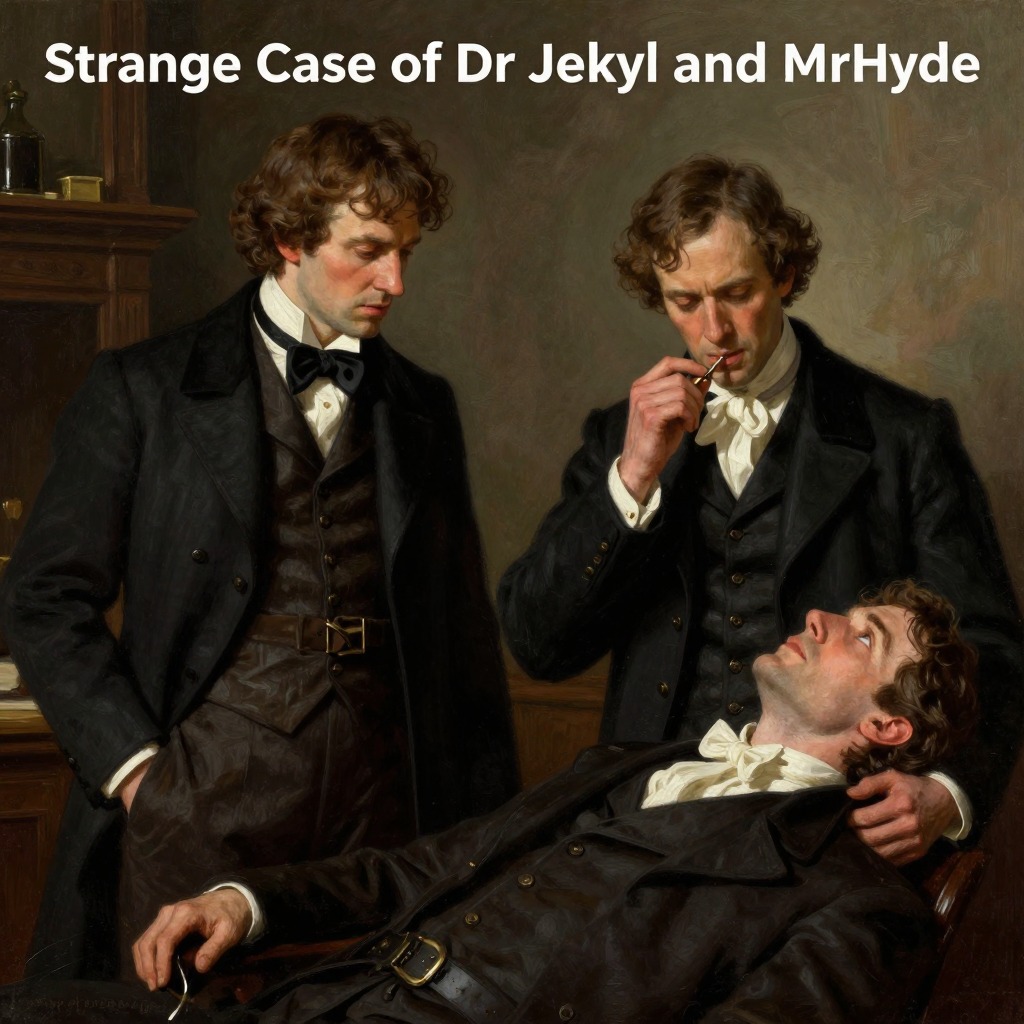
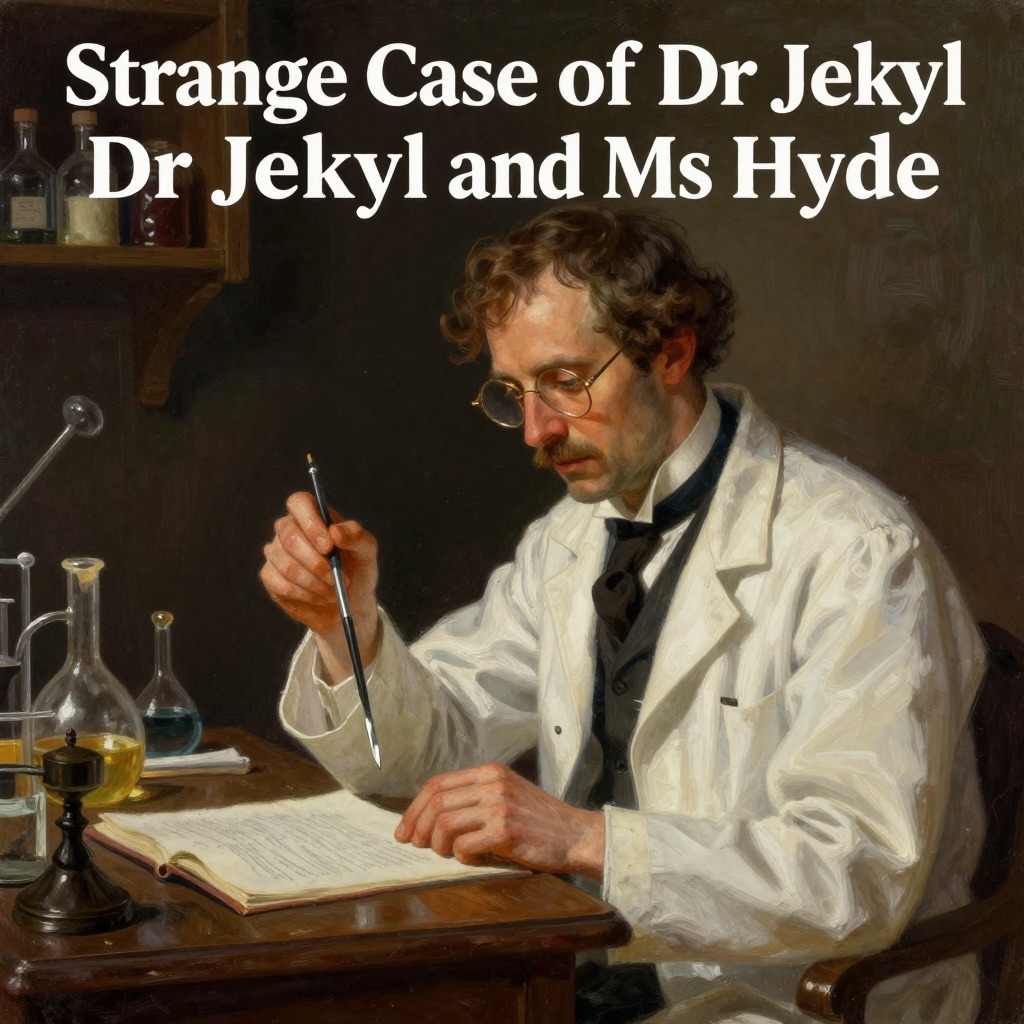
Strange Case of Dr Jekyll and Mr HydeTranscendental medicine is a concept that emerges in the novel as a point of bitter contention between two of its most prominent scientific minds, Dr. Hastie Lanyon and Henry Jekyll. The term is used by Lanyon as a dismissive label for the direction Jekyll's research had taken, a direction that Lanyon, a man of hearty, conventional, and materialist views, found not merely unscientific but actively repugnant. It encapsulates the fundamental intellectual schism that drives the plot and the moral horror of the story.
The Scientific Schism
The term is first introduced during a conversation between Mr. Utterson and Dr. Lanyon, when Utterson probes the reason for the growing distance between the two old friends. Lanyon, a hearty, healthy, dapper, red-faced gentleman with a boisterous and decided manner, reveals that it has been more than ten years since Henry Jekyll became "too fanciful" for him. He declares that Jekyll began to go "wrong in mind," and that such "unscientific balderdash" as Jekyll's new theories would have estranged even the legendary friends Damon and Pythias. Lanyon's flushed, purple anger at the mere mention of Jekyll's work shows that the dispute is not a minor academic quibble but a deep personal and professional betrayal in his eyes. For Lanyon, a man who prides himself on the solid, observable facts of his profession, transcendental medicine represents a dangerous and contemptible departure from reason.
The Confrontation
The concept reaches its dramatic climax during Lanyon's fateful encounter with Edward Hyde. After Hyde has consumed the transformative drug and revealed himself to be Henry Jekyll, he turns on the stunned Lanyon with a bitter, triumphant speech. Hyde, speaking with the authority of Jekyll's knowledge, directly accuses Lanyon of being "bound to the most narrow and material views," of having "denied the virtue of transcendental medicine," and of having "derided your superiors." The phrase is thus used as a weapon, a final, crushing indictment of Lanyon's entire worldview. The transformation itself is the ultimate proof that Jekyll's transcendental medicine was not mere balderdash but a terrifying reality, a reality that Lanyon's materialist philosophy could not accommodate and which ultimately destroys him.
Consequences and Significance
The impact of this revelation on Lanyon is catastrophic. He is left a shattered man, his life "shaken to its roots." He tells Utterson that sleep has left him, that the deadliest terror sits by him at all hours, and that he feels his days are numbered. He dies within a fortnight, a victim not of a disease but of a truth his mind could not bear. Transcendental medicine, therefore, is not just a scientific theory in the novel; it is a destructive force. It represents the forbidden knowledge that, once witnessed, cannot be unseen, and which destroys the observer's faith in the orderly, rational world. The term marks the boundary between the safe, known world of conventional science and the terrifying, unknown realm of the mystical and the monstrous that Jekyll has dared to enter.