the cabinet
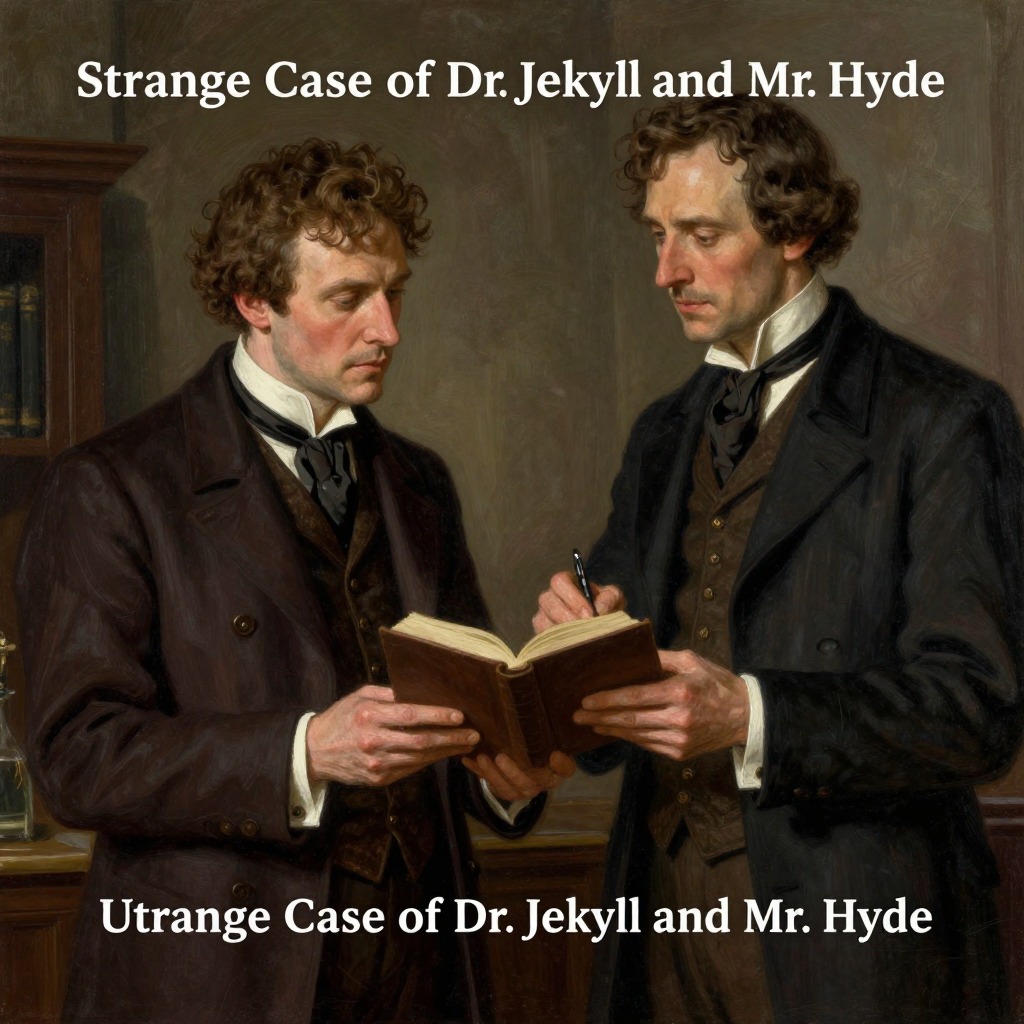
Strange Case of Dr Jekyll and Mr HydeThe cabinet is the private study and laboratory room at the top of the stairs in Dr. Jekyll's surgical theatre, the central space where Jekyll conducts his transformative experiments, where Hyde is both created and ultimately dies, and where the story's final revelations occur.
Location and Description
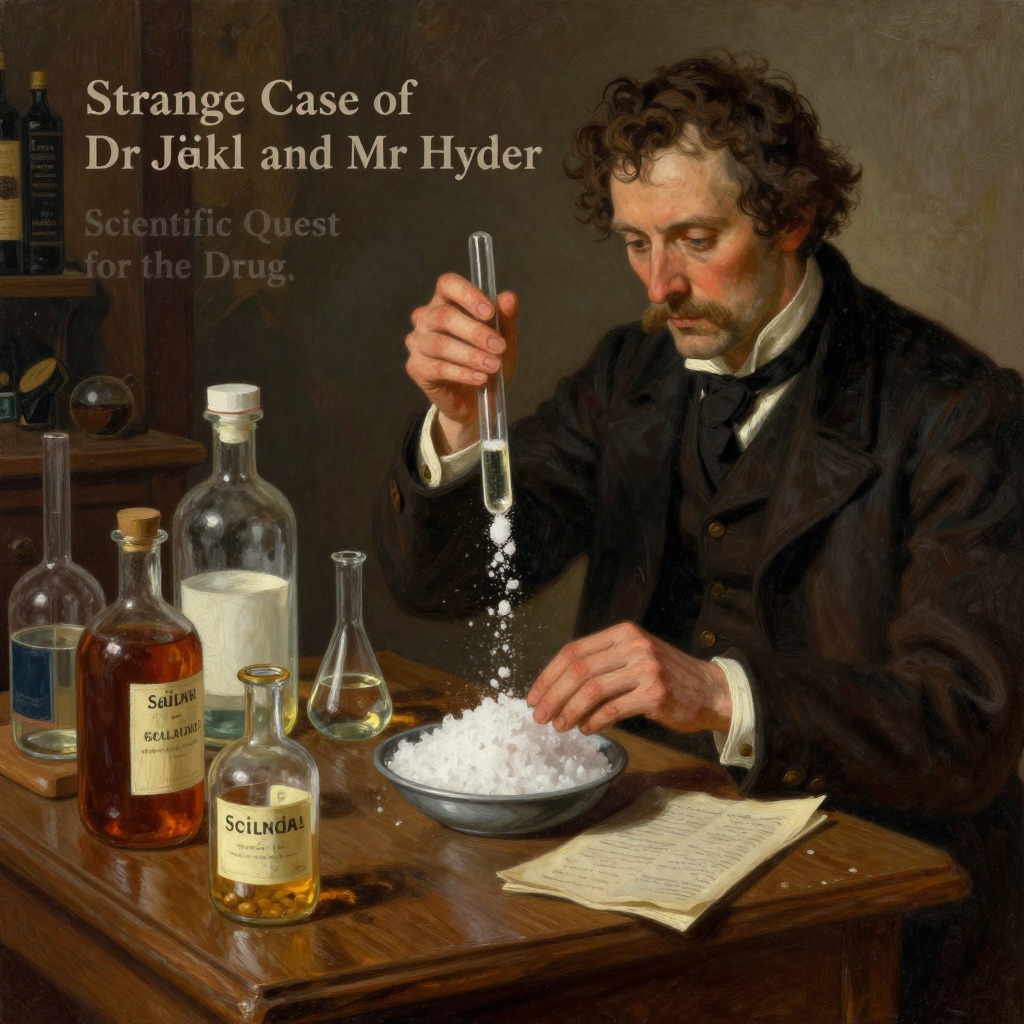
The cabinet is a large room fitted round with glass presses, furnished with a cheval-glass and a business table, and looks out upon the court by three dusty windows barred with iron. It is reached by a flight of stairs from the surgical theatre, and the door is covered with red baize. The room is lit by a lamp on the chimney shelf and a fire in the grate, and it contains the chemical apparatus and drugs essential to Jekyll's experiments. The cheval-glass, which stands in the cabinet, is later noted by Utterson as having "seen some strange things" and prompts the question of what Jekyll could want with it.
Jekyll's Transformations and Hyde's Activities
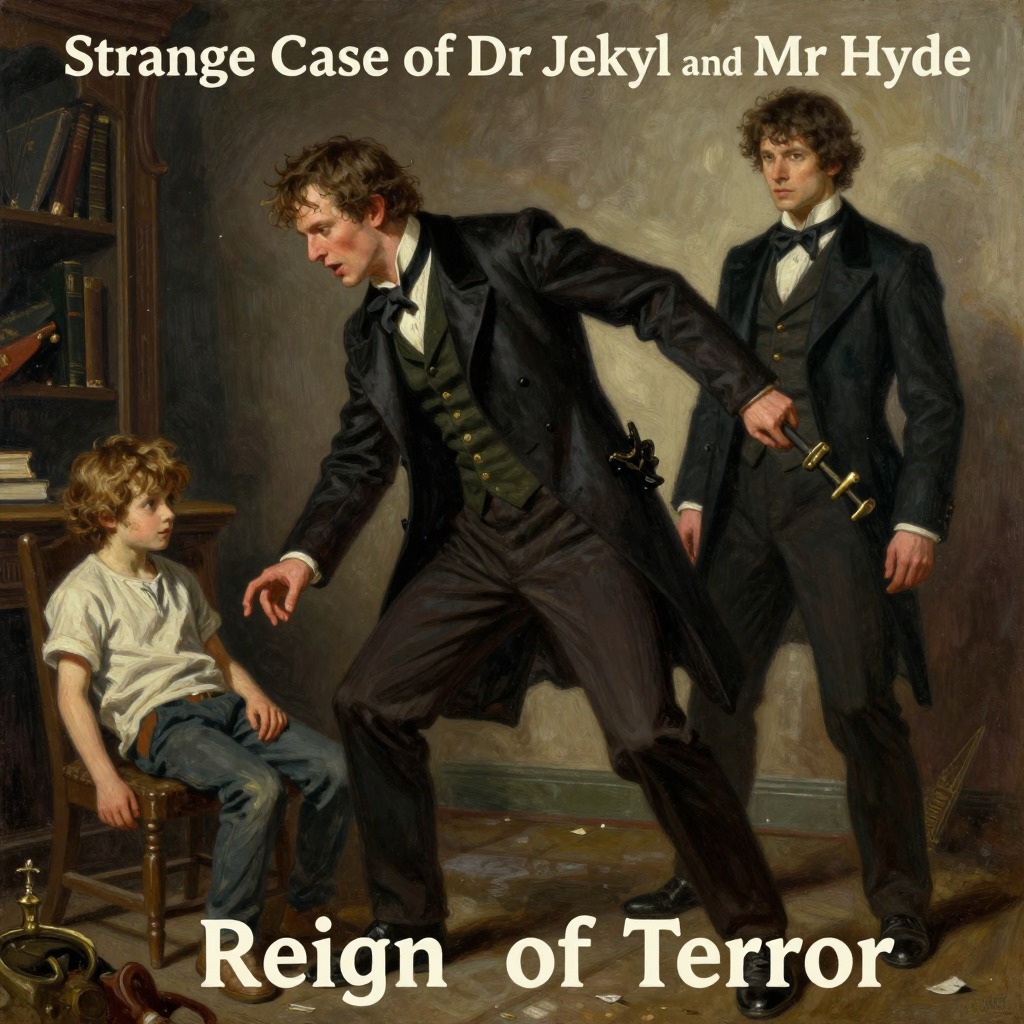
The cabinet is the site of Jekyll's first successful transformation into Edward Hyde, where he compounded the elements, watched them boil and smoke together, and drank off the potion. It is also where he kept the transformative drug and the clothes of Edward Hyde, which still lay ready in the cabinet even after Jekyll resolved to abandon his double life. After the murder of Sir Danvers Carew, Jekyll confined himself to the cabinet, where he would sometimes even sleep, and where he became increasingly silent and out of spirits. The cabinet is also where Hyde, in his final days, cried night and day for some sort of medicine, writing orders on sheets of paper and throwing them on the stair, and where he was seen by Poole wearing a mask and behaving like a frightened animal.
The Final Scene
On the last night, Poole and Utterson break into the cabinet after forcing the red baize door with an axe. Inside, they find the body of Edward Hyde, dressed in clothes far too large for him, with a crushed phial in his hand and the strong smell of kernels in the air, indicating suicide. The room is otherwise quiet and orderly, with a good fire glowing, the kettle singing, papers neatly set forth on the business table, and the things laid out for tea. On the desk, a large envelope bears the name of Mr. Utterson, containing a new will naming Utterson as heir, a brief note from Jekyll dated that day, and a considerable packet sealed in several places—the confession that explains the entire mystery.