the cheval-glass
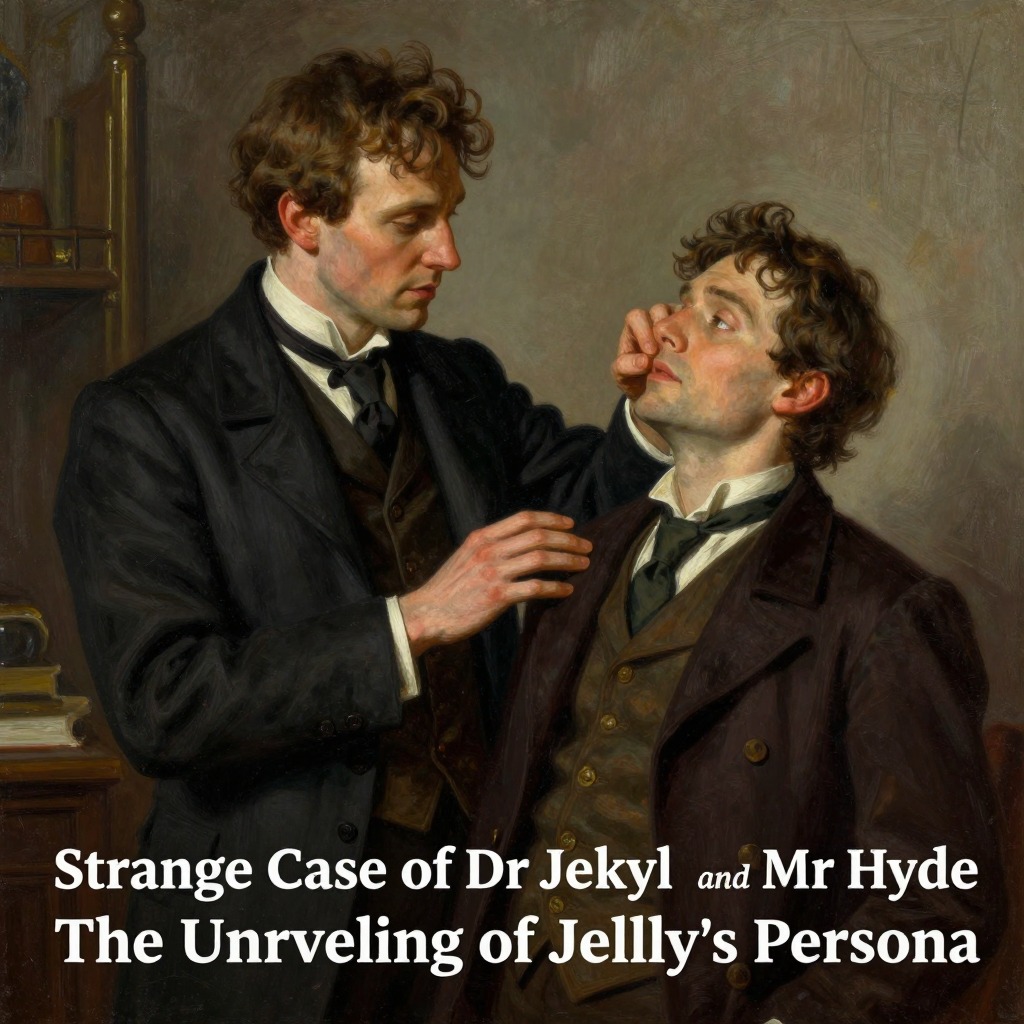
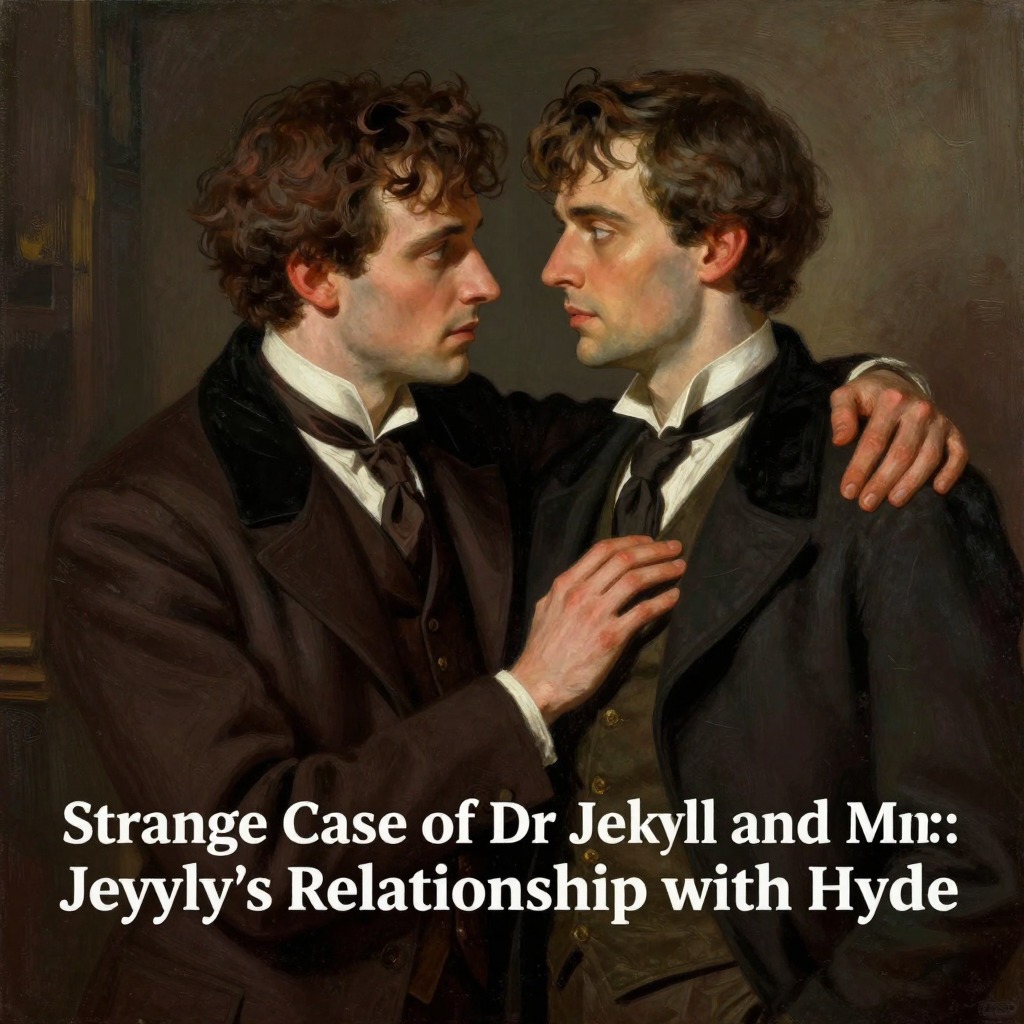
Strange Case of Dr Jekyll and Mr HydeThe cheval-glass, a full-length pivoting mirror, stands in Dr. Jekyll's cabinet as the silent, unblinking witness to the central mystery of the story. It is the object before which the physical reality of the transformation between Henry Jekyll and Edward Hyde is first confirmed and repeatedly confronted, making it a crucial instrument of self-knowledge and self-horror. More than a piece of furniture, the glass becomes a threshold between identities, a surface that reflects not merely appearance but the terrifying instability of the self.
Appearance and Placement
The cheval-glass was not originally present in Jekyll's room. It was brought into the cabinet later, specifically for the purpose of observing the transformations. Jekyll himself notes that "there was no mirror, at that date, in my room; that which stands beside me as I write, was brought there later on and for the very purpose of these transformations." The glass is positioned in the cabinet, a room fitted with glass presses, a business table, and three dusty, iron-barred windows looking out onto the court. Its placement is deliberate: it is the tool Jekyll requires to witness the physical consequences of his experiments, a controlled space for self-surveillance.
First Encounter and Welcome of Hyde
The first time Jekyll sees Edward Hyde's face is in this cheval-glass. After drinking the transformative potion for the first time, he steals through his own house to his bedroom and there, in the mirror, he beholds the appearance of Hyde. Rather than recoiling, Jekyll experiences "a leap of welcome." He describes the reflected image as "that ugly idol in the glass," yet he feels no repugnance; instead, it seems "natural and human." In his eyes, Hyde's face bears "a livelier image of the spirit, it seemed more express and single, than the imperfect and divided countenance I had been hitherto accustomed to call mine." This moment establishes the glass as the site where Jekyll first accepts his darker self, a self he finds more complete and authentic than his own composite identity.
Mirror of Involuntary Transformation
The cheval-glass also records the terrifying moments when the transformation occurs against Jekyll's will. After an involuntary change in his bed, Jekyll rushes to the mirror and sees Hyde's face staring back. The sight turns his blood "into something exquisitely thin and icy." The glass here becomes an instrument of dread, reflecting not a chosen identity but a usurping one. It is before this mirror that Jekyll confronts the loss of control over his own body and the growing power of Hyde.
Final Witness and Symbolic Significance
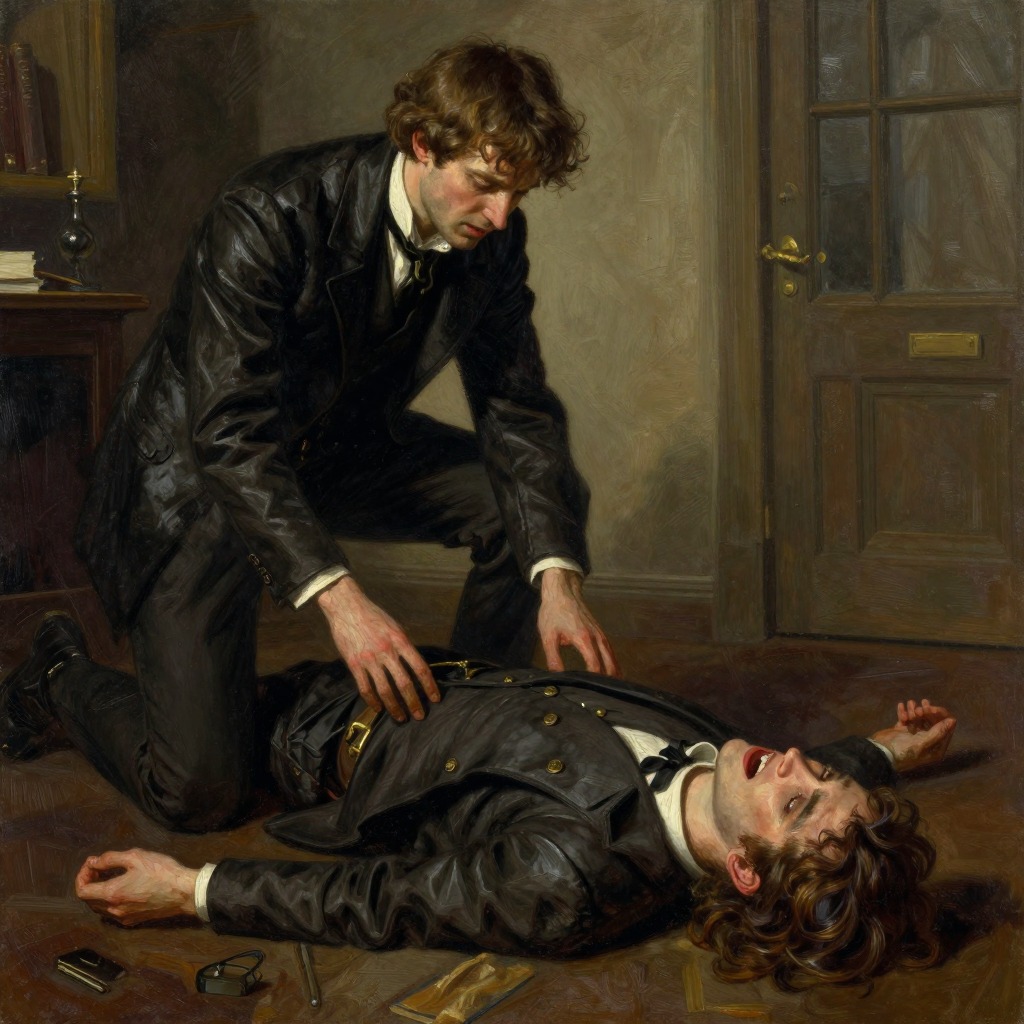
In the aftermath of Hyde's suicide, when Poole and Mr. Utterson break into the cabinet, they come upon the cheval-glass. They look into its depths "with an involuntary horror," but the glass is turned so that it shows them only the rosy glow of the fire, the sparkling reflections on the glass presses, and their own pale, fearful faces. Poole whispers, "This glass has seen some strange things, sir," and Utterson echoes, "And surely none stranger than itself." He then wonders aloud what Jekyll could have wanted with it, a question that underscores the glass's intimate connection to the secret of the transformations. The cheval-glass thus ends as a silent repository of the most extraordinary events in the narrative, a mute object that has reflected the full arc of Jekyll's dual existence—from the first welcome of Hyde to the final, fatal loss of self.