
The Rival Explanation
Strangers (Taichi Yamada Edition)This conflict flow tracks Hideo’s effort to hold onto comforting encounters while evidence repeatedly challenges his understanding.
increasing Bearing strength in each event
 decreasing
Bearing strength in each eventdecreasingA Convenient Doubt
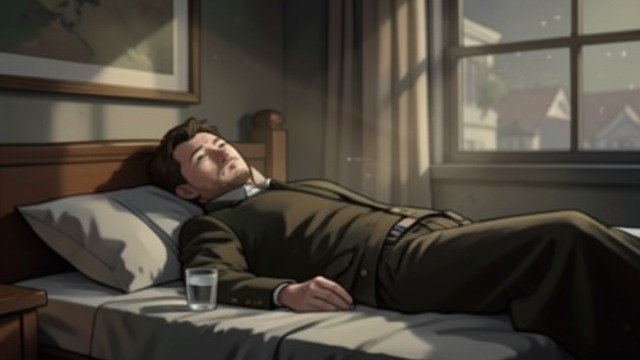
A Convenient Doubt
After waking with a hangover, Hideo wonders whether the visit with his parents was only a dream.
Everyday Explanation
Alcohol and emotional exhaustion offer a plausible account of the night.
Comfort Survives
Even while doubting the event, he retains its warmth and hesitates to dismiss it entirely.
The Heat of Daylight
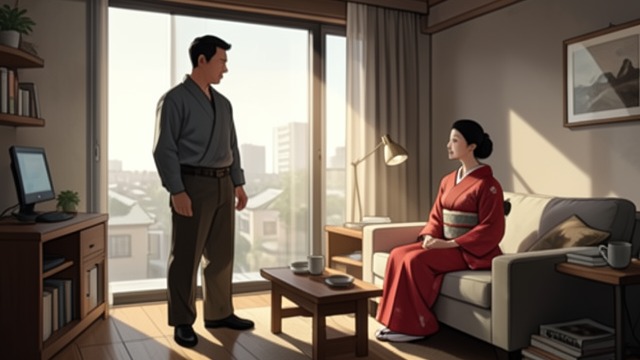
The Heat of Daylight
Hideo visits the Asakusa apartment in daylight to test whether the nighttime encounter can withstand ordinary scrutiny.
Concrete Details
Modern appliances and the couple’s daily routines appear entirely contemporary.
An Impossible Familiarity
His mother still recognizes him as her son, so the daylight test sharpens rather than resolves the mystery.
The Cards as a Test
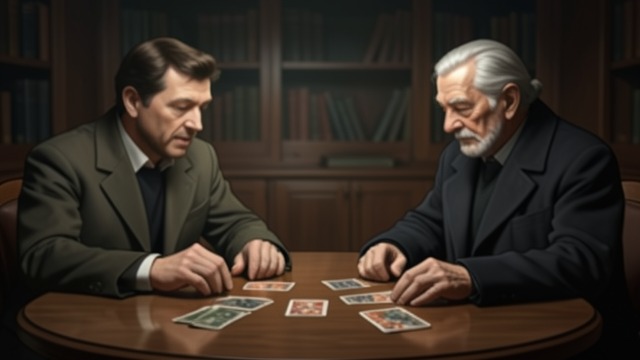
The Cards as a Test
Hideo asks his father to teach him a game he does not know, hoping the lesson can prove independent existence.
A Search for Knowledge
He plans to verify the rules after returning home.
Limited Confirmation
Remembering the lesson offers evidence of continuity but cannot settle whether the teacher was a ghost or an imagined figure.
Mamiya’s Counterstory
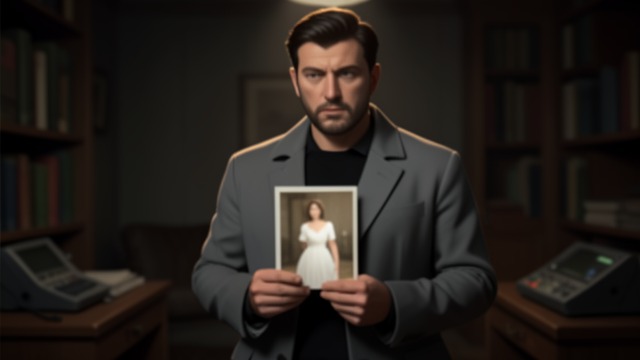
Mamiya’s Counterstory
Mamiya explains that Kei’s former apartment was an office and that its tenant died before Hideo’s relationship began.
Documentary Detail
The tenant’s name, scars, and manner of death align with elements of Hideo’s experience.
Resistance Fails
Hideo cannot dismiss this information, though it does not make his memories feel unreal.
The Unresolved Conclusion
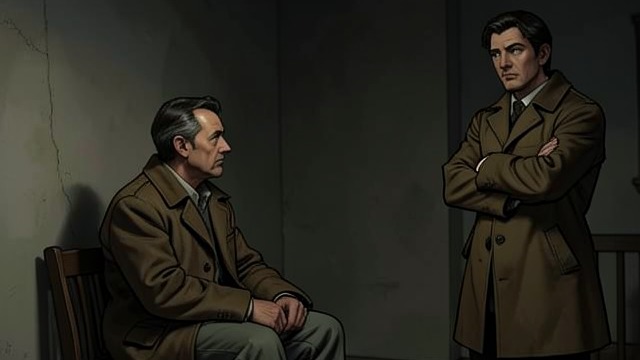
The Unresolved Conclusion
Mamiya explains away the encounters as a disturbance of mind, but Hideo does not accept that account fully.
A Socially Useful Explanation
Mamiya says he needs to believe the events did not happen in order to keep living normally.
Hideo’s Private Conviction
Hideo allows him that explanation while preserving his own belief that nothing was fundamentally wrong with him.
the morning after the first Asakusa visit
the first daytime return
during the next visit
near the ending
at the close of the novel
