
The Child Who Never Felt Safe
Strangers (Taichi Yamada Edition)This thematic flow explores how childhood bereavement creates an adult longing for care and a return to the protected position of a child.
increasing Bearing strength in each event
 decreasing
Bearing strength in each eventdecreasingThe Interrupted Childhood
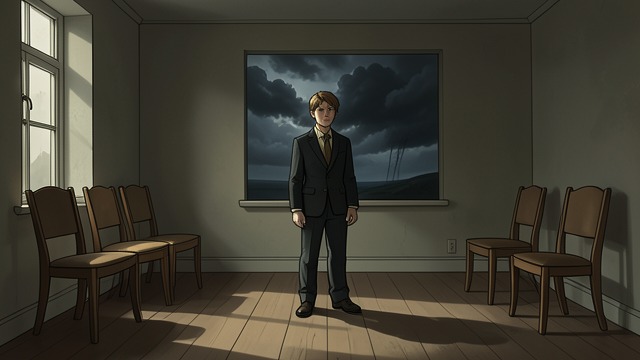
The Interrupted Childhood
The deaths of Hideo’s parents interrupt the ordinary childhood in which he had depended on their presence.
A Loss Without Closure
The hit-and-run driver is never found, leaving the family’s ending both sudden and unanswered.
A Lasting Need
Hideo grows into adulthood without the protection he associates with his earliest home.
A Memory of Rest
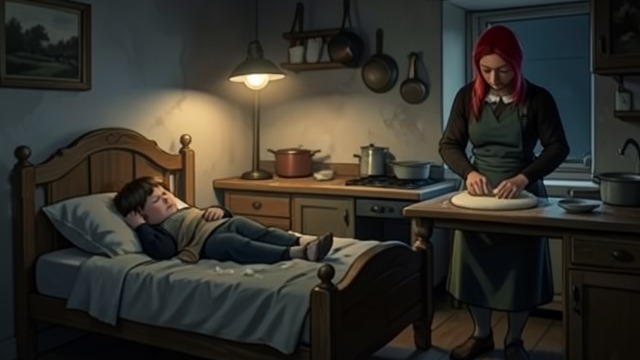
A Memory of Rest
Hideo remembers returning from a tiring school excursion and falling asleep while his mother prepared dinner.
Safety Without Performance
He did not need to maintain appearances or guard himself in that domestic moment.
A Standard Lost
The memory clarifies why the parents’ later presence feels different from adult romance or professional success.
The Returned Family

The Returned Family
The couple’s welcome lets Hideo experience himself as a son again, not merely as a solitary adult.
Ordinary Dependence
He accepts instructions about food, clothes, and games rather than resisting help.
Emotional Transformation
The return to childhood provides a temporary answer to the security lost at twelve.
A Mature Understanding

A Mature Understanding
Hideo recognizes that he has often rejected maternal care because he thought a man should not seek it from his wife.
Revising a Belief
He sees that his inability to depend on others may have cooled his marriage.
Cost of Self-Reliance
Childhood survival has become an adult limitation, not an uncomplicated strength.
Carrying Love Forward

Carrying Love Forward
Hideo considers that he might offer Shigeki the kind of love he has just received.
A New Direction
Instead of seeking only comfort from the past, he considers a responsibility in the present.
An Imperfect Beginning
His attempted invitation is tentative, but it marks a movement from passive longing toward active care.
when Hideo is twelve
during Hideo’s recollections of childhood
August 4, in Asakusa
during Hideo’s later visits
after the parents disappear
