Asakusa Variety Hall
Strangers (Taichi Yamada Edition)Asakusa Variety Hall is the site of Hideo Harada’s first face-to-face encounter with a man who looks and sounds uncannily like his dead father. On a late visit to Asakusa, the hall’s noisy, crowded performance draws Harada inside; what begins as a comic turn becomes the point at which his private grief enters the physical world of the story.
Setting and Arrival
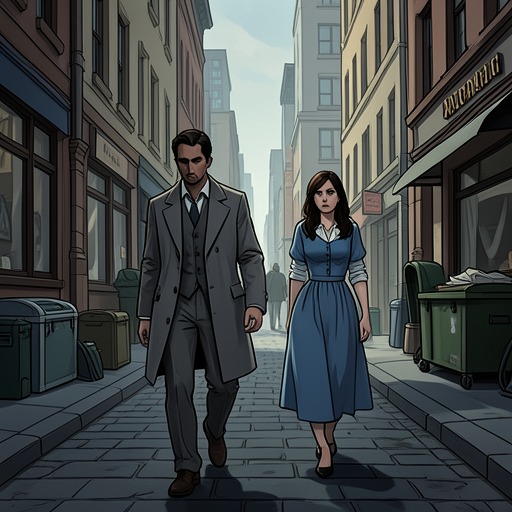
Harada reaches the hall after stopping short of the street’s end, where he would have seen a high-rise hotel built on the site of the demolished International Theater. That former landmark is bound to his childhood in Asakusa and to the memory of his parents’ blood on the boulevard nearby. He turns back to avoid the view, then stops at the Variety Hall. The sequence places the hall amid a neighborhood shaped by both vanished buildings and painful personal memory.
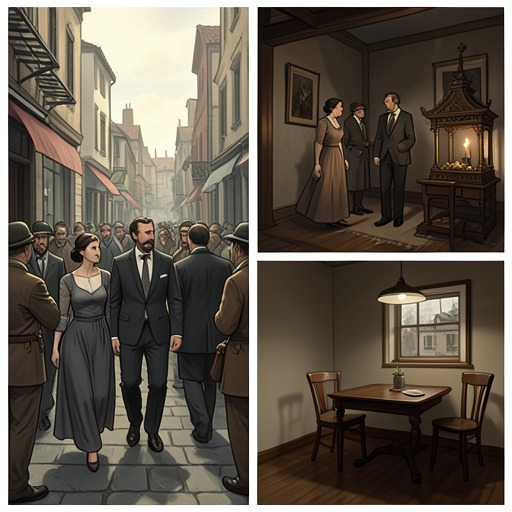
The doors are open, and a comic monologue is being broadcast through a speaker at the entrance. Yet nobody is going in, and Harada is the only person who pauses there. From the quiet exterior, he imagines a sparsely attended show and considers watching an act or two before going home. Because it is late, admission has fallen from ¥1,500 to ¥1,000. The contrast between the apparently empty entrance and the room inside makes the hall’s first impression deliberately misleading.
The Performance and Its Audience
Inside, the hall is packed: most of the extra stools are occupied, and some spectators are standing. The young raconteur draws bursts of laughter by working through the comic details of his story. The performance’s lively atmosphere could hardly be guessed from outside, and Harada finds himself among an audience whose energy is suddenly at odds with the deserted entrance.
After the monologue has continued for another four or five minutes, it ends to a strong ovation. An announcement asks members of the Shopkeepers Association and the Dove Tours group to return to their buses. The comedian then jokes that the tour operator has brought its customers in at half price, ¥750 per person, and that the departing group is thinning the room just as he had begun to enjoy the crowd. His complaint is intended as a joke, but sounds serious enough to produce an awkward silence. A voice answers, “They’re still here, you know.” The performer’s startled recovery turns the moment back into comedy, and the audience laughs again.
Harada’s Encounter
Harada rises from a stool at the back and moves several rows forward. The performer notices him and jokes that, for a moment, he thought Harada was leaving; realizing that he is coming closer, he invites him down to the front. The exchange makes Harada visible to the crowd, which divides its attention between the stage and the newcomer. Harada laughs along to avoid attracting more notice, though he can barely follow the act: the man’s voice and the view of his back have recalled his father so strongly that he longs to turn and see his face, hoping that a closer look will dispel the resemblance.
When the monologue ends, Harada turns. The performer’s profile is the image of his father at the time of his death. The likeness is more unsettling because the man appears to be in his thirties, while Harada’s father died at thirty-nine and, had he lived, would now be seventy-five. Harada looks away quickly, stunned by how completely one person can resemble another. The hall has changed from a place to watch a show into the setting of an apparent return of the past.
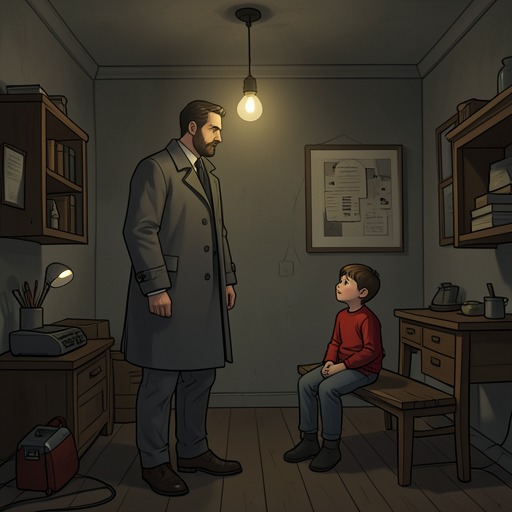
After a juggling act receives only tepid applause, the man approaches Harada in the aisle at the end of his row and asks him to leave with him. Harada’s voice trembles as he asks whether the invitation is meant for him; the resemblance is still unmistakable. The encounter therefore does not remain a distant, audience-side illusion. The man crosses the hall to address Harada directly, making the venue the threshold between a public performance and the intimate, uncanny relationship that begins outside it.
Narrative Significance
The hall’s two sharply different faces—the empty-looking entrance and the full, laughing auditorium—echo the uncertainty of Harada’s own response. He first tries to treat the resemblance as an odd impression, then seeks the disappointment of seeing the performer’s face, only to find the likeness confirmed. Comedy, audience participation, and the performer’s improvised jokes keep the scene grounded in ordinary social life even as Harada’s private recognition unsettles it.
Asakusa Variety Hall is thus significant less as a backdrop than as a meeting place where strangers become bound by a resemblance Harada cannot explain away. The room’s movement—from laughter to awkward quiet and back again—also frames his shifting attention: he is physically among other spectators but inwardly absorbed by the possibility that his father has appeared before him. The invitation from the aisle carries that encounter beyond the stage and starts the story’s movement from public spectacle toward a renewed, deeply personal experience of family.