Harada and Ayako divorce
Strangers (Taichi Yamada Edition)Harada and Ayako divorce after their marriage has become defined by indifference, a separation Hideo Harada himself proposed. The divorce ends a relationship both spouses recognize as emotionally empty, but its financial negotiations expose a rougher side of the parting and its aftermath leaves Hideo living alone.
Background and Decision
Hideo asks for the divorce because continuing a lifeless marriage—maintaining familiar, benign appearances while living apart emotionally—no longer seems preferable to a decisive break. He recalls that Ayako initially raised objections, but after time to consider the proposal, she, too, wholeheartedly supported it. He takes her eventual enthusiasm with some reservation, yet accepts that it contains at least some truth.
The decision changes his outlook: despite the difficulties of ending the marriage, Hideo feels that acting decisively has awakened a new zest for life. He therefore sees his later loneliness as a consequence he cannot fairly blame on Ayako; he was the one who sought the separation.
Settlement and Disclosure
The financial settlement is one of the divorce’s rough spots, although Hideo does not characterize the process overall as a messy one. Ayako demands their six-year-old house and the land beneath it, the securities Hideo had placed in her name, and all of their savings. In front of the arbitrator, she then says she will not seek educational expenses for their son, Shigeki, on the assumption that Hideo wants a clean break.
Hideo’s account connects this settlement to a further disclosure: Mamiya had been lurking in the shadows all along. The passage does not spell out the nature or timing of that involvement, but its revelation complicates Hideo’s understanding of the divorce and the people around it.
Immediate Aftermath
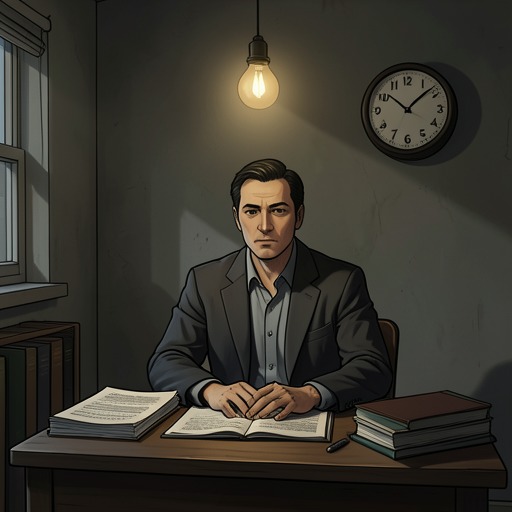
After the divorce, Hideo sets up house in the apartment he had previously used as an office. As a television-drama scriptwriter, he spends most of his waking hours there in solitude. A woman friend who had visited for company drifts away while he is absorbed in the divorce proceedings; Hideo says he does not mind, having already expended so much emotional energy that he welcomes a period without human entanglements.
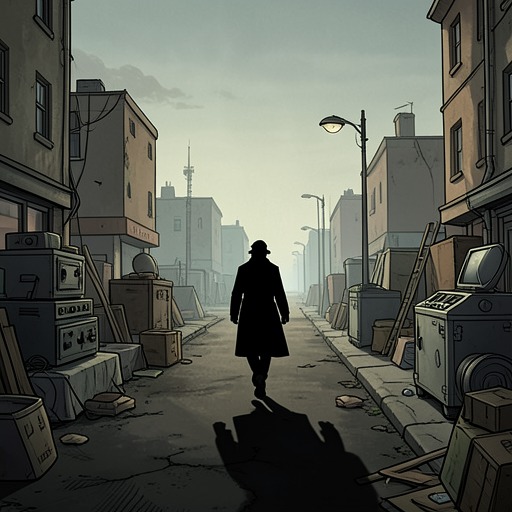
This chosen solitude later becomes a point of tension. In his apartment, Hideo strains to identify a sound amid the traffic and wonders whether his sense that the building is too quiet reflects unresolved anxiety. He recognizes the contradiction: the apartment overlooks a busy road, and he could hardly claim surprise at loneliness after having requested the divorce. The separation brings release from an empty marriage, but it does not insulate him from the emptiness of living alone.
Narrative Significance
The divorce is both a practical rupture and a shift in Hideo’s emotional circumstances. Its mutually acknowledged cause—indifference—makes the decision appear less like a dramatic escape than a belated recognition of a relationship already hollowed out. Yet the settlement, Ayako’s concession over Shigeki’s educational expenses, and the mention of Mamiya prevent that clean-break account from being wholly simple.
The novel places Hideo’s renewed zest for life beside his later retreat into solitary hours. His divorce is not presented as a cure for loneliness: it ends one form of separation within marriage, then leaves him confronting isolation on his own.