
Memory, Control, and the Right to Know
StrangersThis thread traces the conflict between imposed forgetting and the survivors’ effort to recover their own histories.
increasing Bearing strength in each event
 decreasing
Bearing strength in each eventdecreasingThe First Erasure
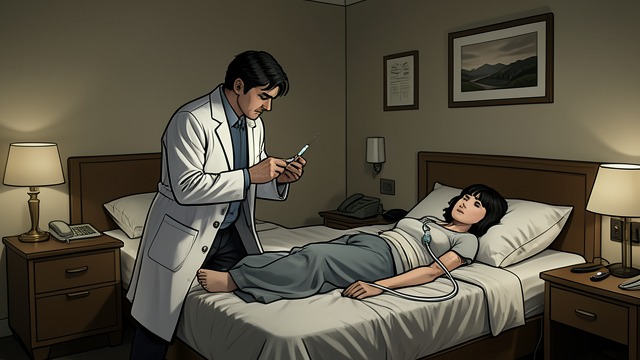
Memory is made a state secret
Witnesses are restrained
After the landing, civilians are held at the motel, drugged, examined, and fitted with false memories. The procedure treats personal identity as something officials may alter for national security.
The cover story follows
Local people remember an evacuation; travelers remember an uneventful stay. The different scripts make silence feel natural until the memories begin to fail.
Symptoms Become Testimony

The body resists the lie
Trauma returns indirectly
Fugues, nightmares, phobias, lunar obsessions, and compulsions break through the memory blocks. The characters do not initially understand these symptoms as evidence of a shared captivity.
Separate suffering links up
The crises make private pain visible to friends and family. Repeated clues turn individual distress into a pattern the authorities can no longer contain completely.
The Azrael Block Is Named

Memory has a trigger
A dangerous explanation
Pablo Jackson and Alexander Christophson identify the Azrael Block as a constructed barrier designed to prevent access to specific memories. Pushing too hard can drive the subject toward coma or death.
Choice and consent
Ginger Weiss insists on learning what happened despite the risk. Her struggle raises the question of whether protection justifies controlling someone’s memory without consent.
The Witnesses Compare Records

Contradictions expose the lie
Records and photographs
The group compares guestbook entries, photographs, newspaper reports, and recurring dreams. Each source adds detail while exposing holes in the official account.
Knowledge becomes collective
The witnesses’ memories are incomplete, but together they challenge the state’s version. Shared inquiry offers a safer route through trauma than solitary confrontation.
Remembering the Ship
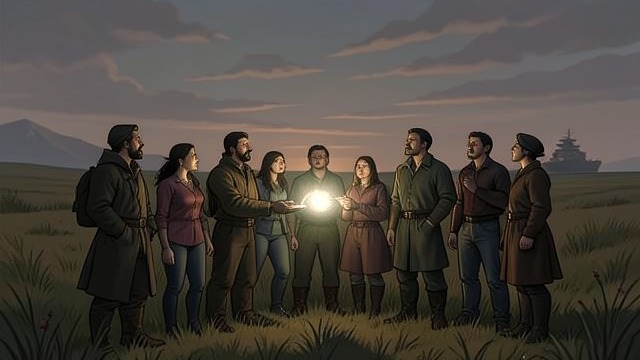
Identity returns with the truth
A collective recovery
The witnesses reconstruct the ship’s arrival and their entry into it. Their memories are no longer isolated flashbacks; each person’s account strengthens the others.
Consent replaces coercion
The group now knows why the memories were suppressed and can decide what to do with the truth. The novel presents honest remembrance as difficult but essential to personal and collective freedom.
July 6–10, two summers earlier
Autumn–December
December 24–January 6
January 11–13
January 14
