
The Future’s Case Against the Past
StrikeThe future government turns ecological collapse and historical neglect into a rationale for invasion, while the story tests the difference between responsibility and collective punishment.
increasing Bearing strength in each event
 decreasing
Bearing strength in each eventdecreasingA World in Collapse
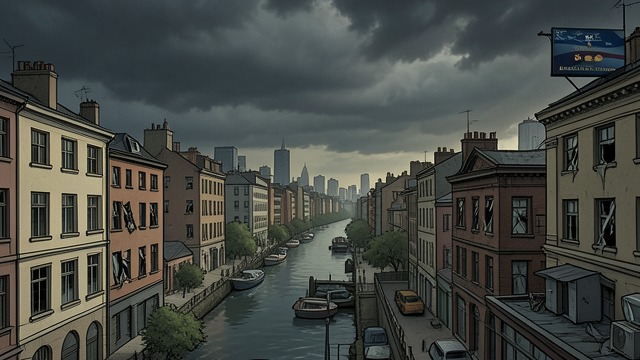
A World in Collapse
Declining conditions
Olivia describes rising seas, shrinking farmland, exhausted fossil fuels, widespread pollution, and shortened life expectancy. The city’s acid rain and recycled buildings make the crisis tangible.
A damaged inheritance
The future’s suffering is connected to long-running failures rather than one sudden catastrophe. Its people inherit consequences that earlier generations recognized but did not adequately prevent.
The Failed Warning
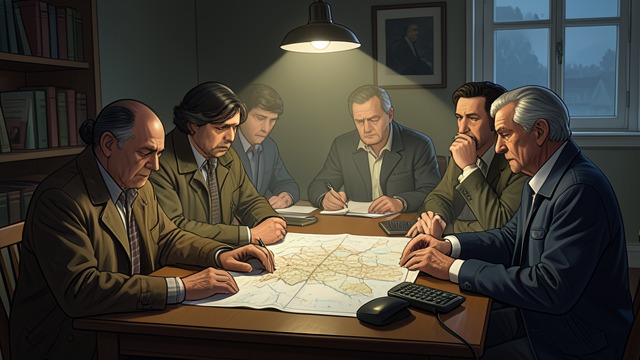
The Failed Warning
Knowledge without change
Olivia says that people in the past were shown what lay ahead, and governments tried for decades to persuade them to alter course. Political resistance and economic interests limited the response.
Failure becomes grievance
The future population interprets continued inaction as a betrayal. That grievance helps explain the movement toward invasion, while not making the decision to kill civilians morally acceptable.
The Decision to Invade
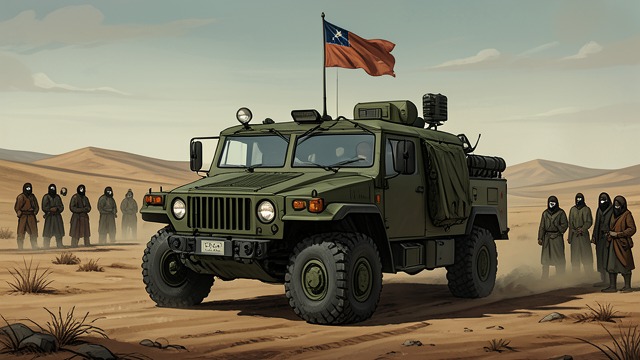
The Decision to Invade
Survival turned into expansion
The future government decides that the past can provide space and resources for its own population. It continues presenting itself as a force that will repair civilization while secretly preparing to colonize.
Collective guilt weaponized
The government treats an entire earlier population as culpable for ecological damage. Its argument transforms responsibility across generations into permission for mass murder.
The Prisoners Called Natives
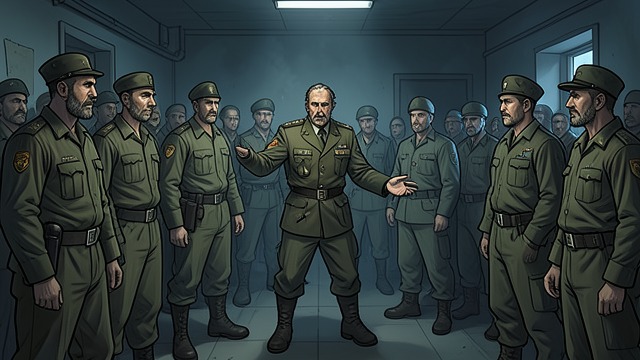
The Prisoners Called Natives
Dehumanization taught
Tucker hears military personnel instructed not to form bonds with the people of the past. The lecture frames them as guilty, inferior, and fit for punishment.
The human cost obscured
The policy helps soldiers carry out occupation without confronting individual lives. The story contrasts this official doctrine with Sounders who recognize the prisoners as people rather than a historical abstraction.
A Choice Beyond Blame
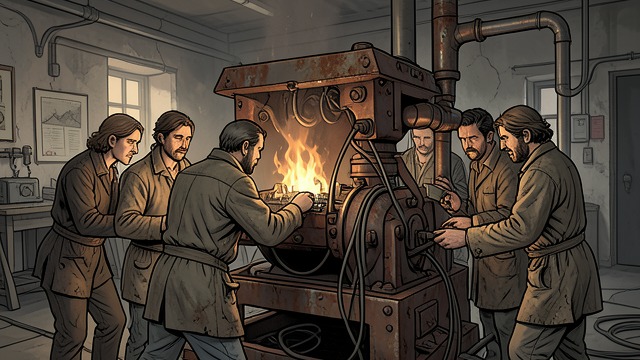
A Choice Beyond Blame
No simple innocence
The survivors recognize that past generations contributed to environmental damage, while the future government chose genocide. Neither fact cancels the other.
Responsibility redirected
Rather than accept collective punishment as justice, the friends use their knowledge and resources to develop cleaner energy. Their response turns inherited blame into an obligation to act differently.
During Olivia’s account of life in 2324
During Tucker’s conversation with Olivia in her apartment
As Olivia explains the purpose of the military buildup
During Tucker’s tour through the future Academy
In the aftermath, as the four friends choose a new life
