Death magic
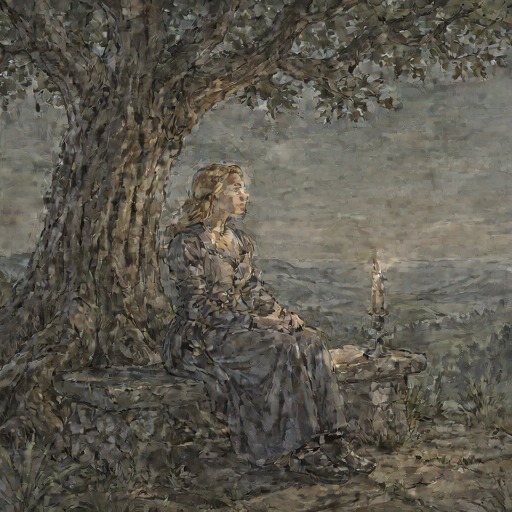
Tales From Otherworld: Collection OneDeath magic is named as one of Camille D’Artigo’s powers, placing her within the book’s seasonal network of death-associated identities and observances. The passages establish that connection, but do not explain what death magic can do or depict Camille using it; its significance here lies in its place within that wider seasonal framework.
Identity and Evidence
The clearest identification comes in a reflection on Samhain: Camille’s season is associated with witchcraft and death magic, while Menolly D’Artigo’s is associated with vampirism. The passage names death magic as part of Camille’s identity, rather than describing a particular spell, effect, or limitation. The distinction matters: the text supplies a label and context, not a working account of the power.
The surrounding introduction to Camille’s story says that her magic backfires frequently, but does not identify those failures as instances of death magic. The available evidence therefore supports a general description of Camille’s magical difficulties, not a claim that death magic itself is unreliable or dangerous.
Seasonal and Ritual Context
Death magic appears in a seasonal frame. Samhain is approaching, and the passage groups the season with the witch, the cauldron, and Camille’s death magic. It sets these associations alongside Menolly D’Artigo’s vampirism and Delilah D’Artigo’s status as a Death Maiden, presenting the season as significant to several members of the family in different ways.
A nearby autumn scene gives this seasonal language a tangible setting: Delilah D’Artigo and Shade sit beside a bonfire at Birchwater Pond on a cool October evening. Delilah senses Hi’ran in the trees, flames, and air, and Shade speaks of the Harvestmen being alert and of something approaching. This scene establishes an atmosphere of autumnal ritual and foreboding, but does not connect the bonfire or the approaching danger directly to Camille’s death magic.
Distinctions and Limits
The book also presents other phenomena involving death, but the passages do not identify them as expressions of death magic. Arial’s dream of fire, destruction, lightning, and mass death is described as prophetic dreaming among the Death Maidens. Likewise, the dead woodland gargoyle who visits Maggie’s crib is recognized as Maggie’s mother. These are distinct supernatural events; the evidence does not say that Camille’s power causes, governs, or explains either one.
Narrative Significance
The concept helps position Camille within a shared seasonal world without collapsing the family’s different powers and roles into one system. Witchcraft and death magic, vampirism, and the Death Maiden tradition stand beside one another as distinct associations around Samhain. Because no passage here shows death magic in operation, its specific rules and consequences remain unspecified; what is established is its connection to Camille and its place in the book’s seasonal imagery.