
The Meaning of Also This Will Pass
También esto pasaráThe repeated consolation phrase changes from a childhood promise of impermanence into a more complicated account of lifelong grief.
increasing Bearing strength in each event
 decreasing
Bearing strength in each eventdecreasingThe Childhood Story
The Childhood Story
An emperor's demand
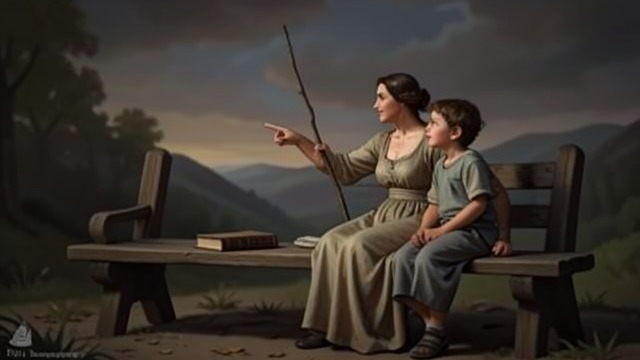
Blanca's mother tells her of an emperor who asks wise people for a short phrase useful in every possible situation. Their answer is that this too will pass.
Consolation for a child
The mother explains that pain and sorrow pass, just as euphoria and happiness do. The story gives Blanca a portable way to face her father's death, linking time to the movement of emotional states.
The Phrase at the Grave

The Phrase at the Grave
A mother's imagined return
Unable to enter the cemetery, Blanca sees her mother walking by the harbor as she used to do. In the imagined scene, the mother repeats the old consolation directly to her daughter.
A fragile reassurance
The phrase arrives at a moment of exhaustion, not as an argument that grief is ending. Its force comes from the remembered voice and the familiarity of a shared story.
The Epilogue Repeats the Story
The Epilogue Repeats the Story
A story told again
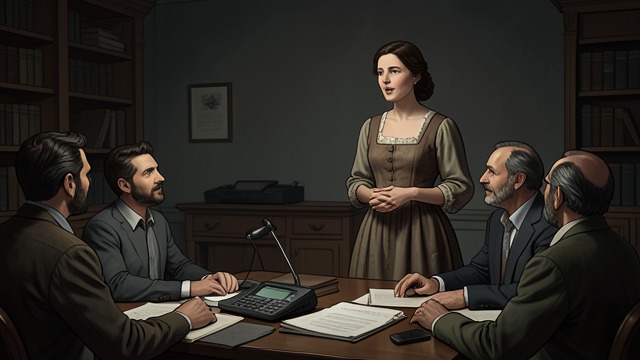
Blanca recounts the emperor's question in the same intimate manner her mother once used. The repetition makes the consoling tale part of the daughter's continuing conversation with the dead.
The lesson is tested
Now Blanca has lived through the loss of her mother, and the promise that pain passes no longer feels wholly true. The familiar words encounter an adult grief that childhood reassurance could not foresee.
A Permanent Absence
A Permanent Absence
A correction to comfort
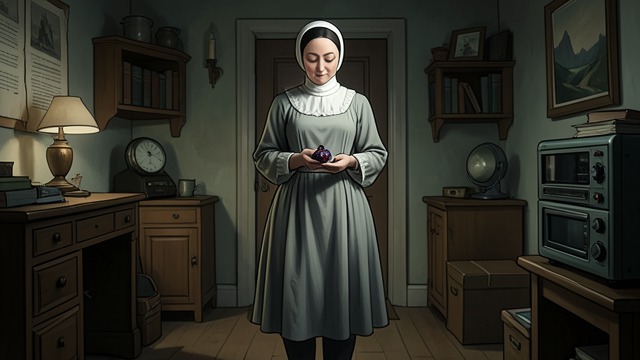
Blanca says she will live without her mother until she dies. The pain may change, but the fact of the relationship's absence will remain part of her life.
Grief beyond a slogan
The novel does not simply reject the old phrase; it limits what the phrase can promise. Time may soften the sharpness of loss without making the lost person return or the bond disappear.
A Different Kind of Passing
A Different Kind of Passing
Ordinary days resume
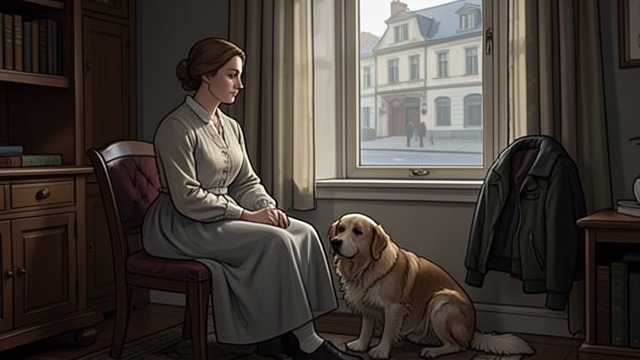
Blanca breathes more easily, has fewer nightmares, adopts an old dog, and sends her mother's jacket to be cleaned. Small actions enter the space once dominated by crisis.
Change without erasure
The story's phrase survives as a description of changing states rather than a guarantee of forgetting. Grief remains, but its form shifts enough for Blanca to participate in life again.
After Blanca's father dies
At sunrise after the cemetery gate remains shut
At the opening of the epilogue
In Blanca's epilogue reflection
Near the end of the epilogue
