
The Two Sons Grow Apart
También esto pasaráBlanca watches her sons move through distinct stages of childhood and adolescence while she confronts the fact that she cannot keep them young.
increasing Bearing strength in each event
 decreasing
Bearing strength in each eventdecreasingThe Younger Child's Stories
The Younger Child's Stories
A child's cosmology
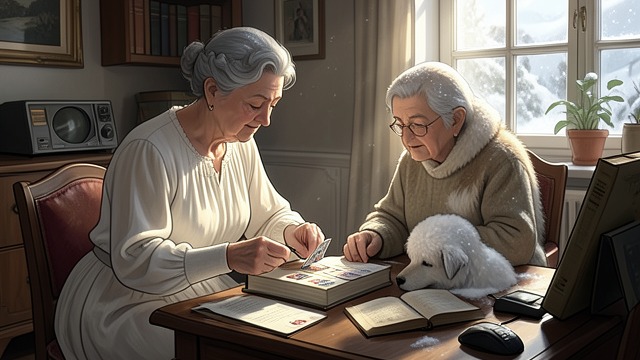
Nicolás explains that his grandmother is in heaven playing cards with a famous snow ape. His imaginative certainty contrasts with Blanca's inability to picture an afterlife.
Love without resentment
Blanca believes the children never hated their grandmother during the years of illness. Their access to her remained generous and uncomplicated in ways the adult relationship could not sustain.
Edgar's Watchful Humor

Edgar's Watchful Humor
An adolescent observer
Edgar listens while appearing absorbed in his phone. He remembers the grandmother's teasing judgments of Blanca and challenges her version of a childhood story.
A separate understanding
Blanca recognizes that he is serious, observant, and already more self-contained than she was at his age. His view of the family is becoming his own, beyond what she can manage or fully know.
The Teenager Becoming a Stag
The Teenager Becoming a Stag
A body changing
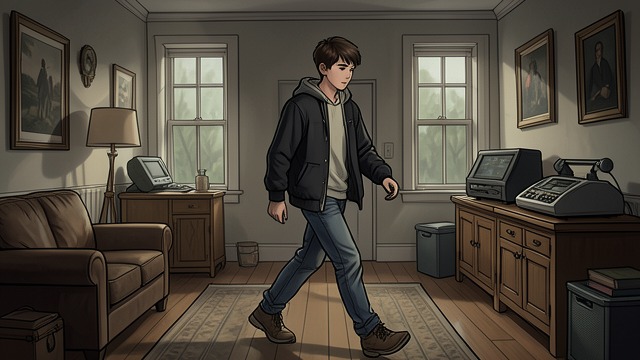
Blanca describes Edgar as long-limbed and increasingly adult, while he moves through the house with the languor of a teenager. Their conversations become rare, though he sometimes talks intensely at dinner.
A mother's distance
Blanca struggles to understand his rapid speech and his growing privacy. She sees that he is becoming a person she cannot simply reach by being his mother.
The Younger Child's Open Day
The Younger Child's Open Day
A lively contrast
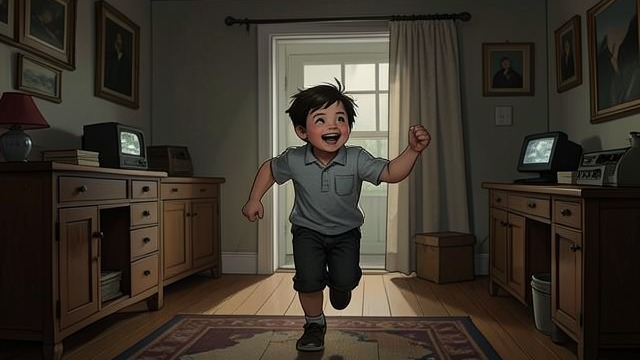
Nicolás approaches each day with talk and enthusiasm, contrasting with Edgar's quieter adolescence. Blanca experiences the younger child as a warm, energetic presence in the shared household.
Childhood remains brief
She delights in his openness while recognizing that he too will grow into the romantic risks and heartbreaks she can already imagine. Maternal affection includes the knowledge that childhood cannot be preserved.
Care Passed Forward
Care Passed Forward
A shared responsibility
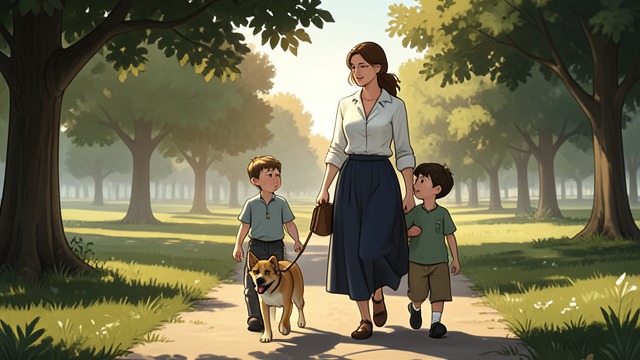
Blanca asks the children to learn to walk Rey every day after bringing the old dog home. The request gives them a concrete role in the household's new arrangement.
Inheritance through practice
Rather than teaching them a grand lesson about death, Blanca gives them repeated acts of care. Their responsibility carries forward a family tenderness that can be lived rather than merely remembered.
During the first days after the funeral
On the road to Cadaqués
During the evenings at the summer house
During the Cadaqués summer
In the epilogue
