Cadaqués
También esto pasaráCadaqués is the narrator’s family’s coastal home, a place where generations of ordinary routines, youthful excess, love, aging, and loss have accumulated. After her mother’s funeral there, the narrator considers making the village her home as well. Its beauty offers temporary shelter from bereavement, while the house and the landscape hold the history that grief cannot make disappear.
Setting and Geography
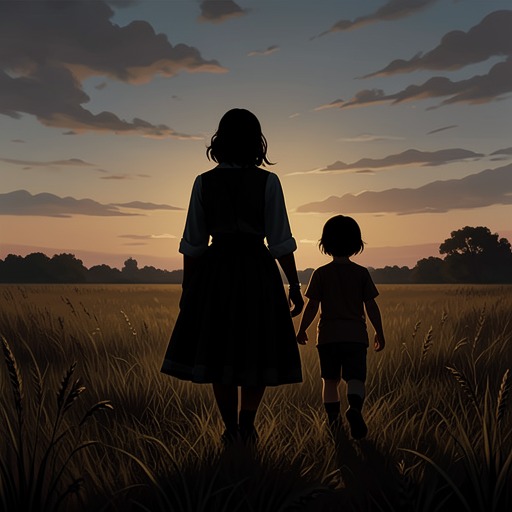
Cadaqués sits behind mountains and is reached by a notoriously difficult road. The mountains, once covered with olive trees, helped isolate the village for centuries, making it almost an island. A fierce wind adds to that separation: in winter it blows darkly across the sea, while the village’s summer skies and rose-colored sunsets are part of the beauty the narrator feels it protects. Even tourism and the passage of time, she suggests, have not subdued the place.
The village’s physical character comes into focus as the family walks toward the harbor. The church looks down on the cobbled streets; closely grouped houses form a compact, harmonious mass, interrupted by vivid fuchsia bougainvillea and the muted green of a tree. Beyond them rise the mountains, while the sea changes its aspect—calm or furious, sad or exuberant, noisy or quiet, scattered with boats or seemingly exhausted. The landscape is not merely a backdrop: its shifting moods and persistent radiance give the narrator a way to apprehend both sorrow and the possibility of happiness.
Refuge After Bereavement
At the funeral, after the coffin has been placed in its niche, the narrator walks down the slope holding Carolina’s hand and acknowledges that her mother is gone. She immediately thinks of settling in Cadaqués, where her mother now lives in death. Soon afterward, someone suggests that she take the children to the village for a few days: the house is hers, and the boat is in the water. The narrator hesitates because she still thinks of the house as her mother’s, but the proposal makes the village’s refuge available to her at the moment she most wants to withdraw from other people.
She imagines the village’s witches as guardians stationed on the bell tower, deciding whom to welcome or drive away. In this fanciful account, they stir quarrels among lovers, direct jellyfish toward certain legs and stomachs, and place sea urchins beneath particular feet. They also produce astonishing dawns that ease even terrible hangovers, turn streets and corners into welcoming bedrooms, and wrap visitors in waves that seem to erase the world’s troubles. The narrator’s imagined protection does not cancel her loss; it gives the landscape a consoling agency when ordinary reassurance feels unreliable. Her decision to go is accompanied by an allusion to returning to Tara and the thought that tomorrow will be another day, a borrowed gesture of resolve rather than a claim that grief has ended.
The House as Family Memory
On an early morning in the village, the narrator looks out to sea from the terrace and finds that memories gather densely without overwhelming her. The family home has contained successive eras of life: her grandfather arriving with crates of fruit from Barcelona; household help carrying away the laundry; elaborate sweets and gazpacho; long breakfasts of toasted bread and butter; colorful beach towels drying on the railing; reluctant naps, evenings in town, and afternoon ice creams. These recurring details make the house an archive not through formal records alone but through the rhythms that gave family life its shape.
The memories also include first drunkenness, first loves, first dawns, sleepless nights, wild laughter, and drug experiences that could turn the figures in the sitting-room paintings into monsters. The narrator remembers dancing with a friend in the empty square at daybreak and colliding with a tree. Later chapters of family history entered the same setting: the conception of her first child, trips with the children, and the children striking their heads on the pointed architecture of the 1970s, as her brother had done each summer two decades earlier. Summers offered the feeling that the world belonged to the young, but the house preserved the less simple story that followed.
Continuity, Aging, and the Sea
For much of the family’s life, the house’s doors stood open—even at night. Then, as the narrator’s mother grew old, an invisible gale seemed to push them shut. Happiness gradually changed, although the routines of breakfast, boating, lunch, naps, and card games scarcely altered. The narrator saw former companions grow older and have children; unlike youth, when exhaustion did not show in the eyes, adulthood sometimes left her unable to lift her gaze from the ground. The deaths of Marisa and, a couple of years later, Marisa’s daughter Elenita belong to this history too. Eventually, the mother and the house seemed to age together: the home stood alone and, in the narrator’s perception, became its owner.
Boating remains one of the strongest links between the mother and the village. She loved going out on the family boat, El Tururut, and the narrator hopes eventually to choose a photograph of her at its helm, smiling with wind and salt in her hair, to place beside a photograph of her father. At the harbor, the children wait in orange life jackets beside Guillem and Patum while a boatman is expected to take the party to its buoy; Guillem quickly befriends him and gets his telephone number for the return trip. The scene carries family life forward through a practical plan on the water, while the narrator’s imagined future photograph preserves the mother without pretending she has already become only a memory.
A Place Apart from Barcelona
The narrator loves Barcelona because her life has unfolded there: her son Edgar was born in its hospital, she had secret meetings with his father in a bar, and she visited her grandfather there. Her mother also died there. Yet Cadaqués has a different hold. The narrator believes she would love it even without personal memories or any connection of culture or language, simply for its steep, fierce setting, soft pink sunsets, and wind that seems to push everything toward the clouds and sky.
That tension defines the village’s importance. Cadaqués is both a particular family inheritance and a place whose appeal exceeds family history. Looking back from its bright morning landscape, the narrator can feel that life is beginning again, because the view resembles the one she knew in her twenties. The likeness is real, but so are the deaths and changes remembered within it: the landscape offers continuity, not reversal.