Patum
También esto pasaráPatum is the large dog at the center of several overlapping family bonds in the novel: she belonged to Blanca’s mother, was once shared by Blanca and Guillem, and eventually lived with Guillem. She attends Blanca’s mother’s funeral, where her quiet, formal presence makes her part of the farewell rather than a mere companion brought along. Later, as Patum searches the house for the dead woman and is herself believed to have little time left, the dog’s presence gives grief a continuing, everyday form.
Identity and Background
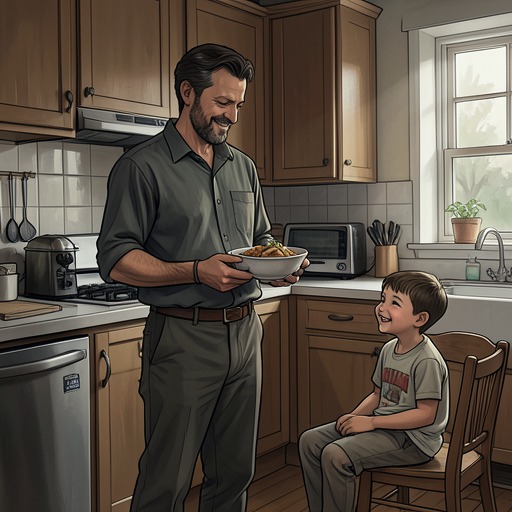
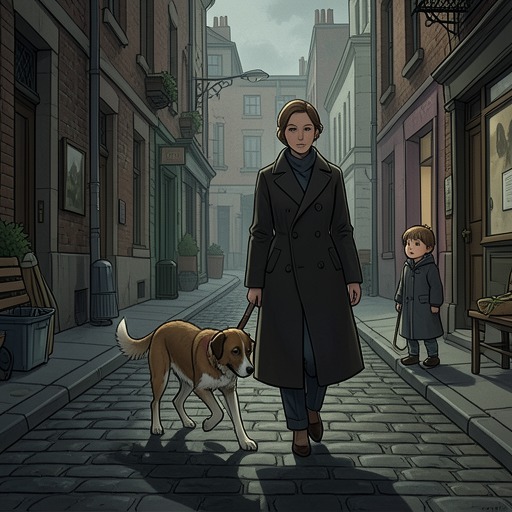
Patum is described as a large female dog. Before Blanca and Guillem separated, she was theirs together; after Blanca left on a trip, Guillem told her that he would keep Patum, who would be better off with his mother and sister. Blanca’s account presents the change of ownership not as a clean break but as a continuation of attachment: Guillem had taken the dog into his life and made her his own. He had also given her the name Patum, a detail that later prompts Blanca to reflect on the bond between naming and belonging.
Patum’s place in the family is also tied to Blanca’s mother. The mother had once said that her life would have no meaning without the dog, and Blanca recalls the two of them as closely attached. When Patum was still able to come aboard after swimming, people had to help her up the boat’s stairs; this practical, familiar image sits behind Blanca’s later explanation of why the dog could not be buried with her owner. Patum was too large for the family tomb, and Blanca also believed that burying a dog there would be illegal. The decision not to inter her with her mother does not diminish their connection; it makes the limits of the funeral’s arrangements conspicuous.
The Family Dog
Patum’s history reaches further back through a litter born in the family home. Blanca remembers the mother dog, Nana, giving birth there: nine puppies, as she recalls, of whom one died within hours and the rest survived. Blanca’s mother built a large wooden box beside her bed and spent weeks watching over the puppies, ensuring that the stronger ones left food for the weaker ones and that Nana could rest. In this recollection, Patum belongs to a domestic history shaped by close attention to animals and practical care, as well as by the mother’s capacity to make space for what she loved.
Patum also outlived the mother and sister of Guillem’s family, and by the time Blanca narrates the events, she is the last survivor of that litter. The veterinarian doubts that she will live through the coming winter. This news turns the dog into more than a reminder of the dead: she is herself an aging member of a diminishing household, and the prospect of losing her adds another anticipated absence to Blanca’s mourning.
At the Funeral and in the House
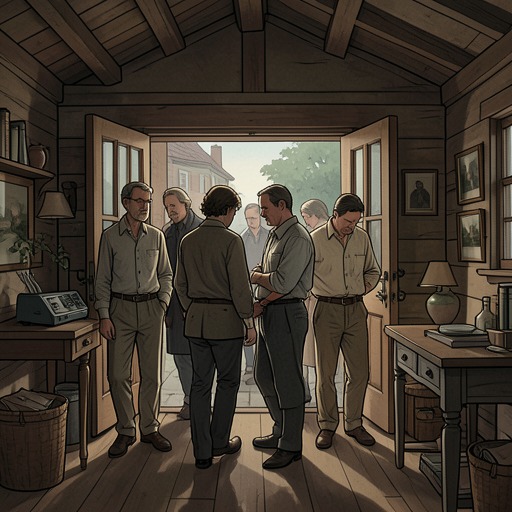
Patum is the only dog at Blanca’s mother’s funeral. Guillem puts a black ribbon on her collar, and she sits seriously in the shade beside him, behaving with a restraint Blanca contrasts with her usual sprawled posture. The image gathers several relationships into one scene: Guillem is the person caring for her, Patum is still present at the ceremony for the woman who had loved her, and Blanca imagines her mother beside them, with a hand on the dog’s head. That imagined presence remains explicitly uncertain; it is a picture of how Blanca wishes to see the farewell, not a claim that the mother is there.
Afterward, Patum’s grief takes the form of repeated searching. She does not enter her former owner’s room, but waits at the doorway and sniffs around the house for the mother’s scent or some sign that she will return. Blanca recognizes her own searching in the dog’s behavior. The parallel is not presented as proof that Patum understands death in human terms; it makes their shared loss legible through the rooms, the threshold, and the absent person each seeks.
Relationship with Blanca
Patum looks at Blanca with what the narrator describes as an irrational, disproportionate love, the sort of affection she considers especially valuable because it is not earned by merit. Yet the bond is complicated by the dog’s changed household. Patum is now Guillem’s dog, perhaps always more truly his, Blanca reflects, since he named her. The question of who a companion animal belongs to therefore remains unsettled between past care, present responsibility, and the intimacy of a name.
During the mother’s final illness, Blanca also remembers fearing for the dogs’ health amid the disorder in the house, where medication could be found scattered among bedding, papers, and books. This detail locates Patum within the practical strain of caregiving, not only within its later elegies. In the summer after the funeral, when Blanca is alone at home with her, Patum’s company is quiet and immediate. Blanca is in pain and moving about the house; the dog’s presence does not resolve her grief, but gives her a living companion within it.
Narrative Significance
Patum connects the mother’s life at home to the family’s later attempts to live with her absence. At the funeral, her black ribbon and composed posture make her part of the household’s silent ritual; afterward, her watch at the bedroom door turns mourning into a daily pattern. Her story also crosses generations and households: she comes from a litter the mother tended, was shared by Blanca and Guillem, and remains with Guillem while Blanca continues to love her.
The approaching possibility of Patum’s death sharpens the novel’s account of loss without making the dog a simple symbol. She has her own history of birth, care, movement between homes, attachment, and aging. At the same time, Blanca’s observations of her make the animal bond a means of recognizing what cannot be restored: the mother is gone, the dog still looks for her, and the people who remain must continue caring for one another in the house that holds their shared past.