
Colton’s Road from Animal Rescue to Veterinary Work
TemptationThis thread traces how Colton’s impulsive rescues become a durable sense of purpose and eventually a practical path into animal care.
increasing Bearing strength in each event
 decreasing
Bearing strength in each eventdecreasingThe First Stray Rescues
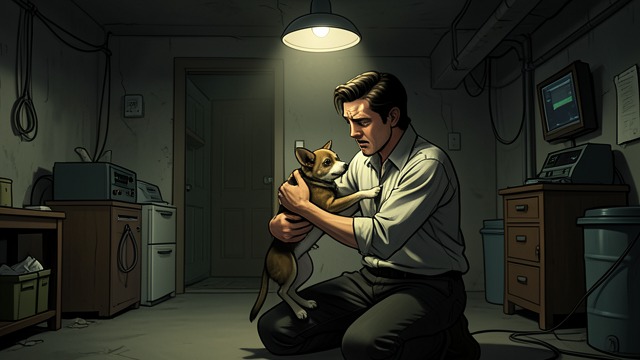
Caring Before He Has a Plan
An instinct to protect
Colton repeatedly brings stray animals into places where they cannot safely stay, including the basement at Ted House and a pantry at Masala. The rescues are impulsive, but his concern is not casual: he has trouble walking past an animal in danger, even when helping it risks his job or his place in the household.
A fragile strength
Adults around him have to set limits because good intentions do not solve the practical problems of feeding, housing, or treating animals. Colton’s record of chaotic choices can make the rescuing look like another symptom of his disorganization, yet the animals also reveal a capacity for tenderness and persistence that he struggles to recognize in himself.
That contradiction becomes the foundation of a later ambition. He has not yet found a sustainable role in animal care, but his attachment to animals is already more than a passing hobby: it gives him a glimpse of a life in which his instinct to help might become useful work.
A Difficult Clinic Job
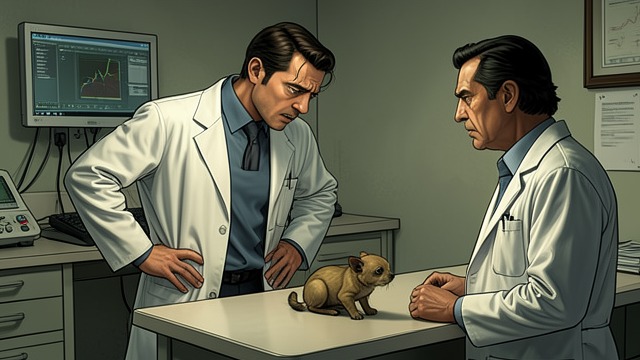
The Cost of Good Intentions
Learning under Elliot
Colton works at Elliot’s practice after people around him hope that a structured job will channel his repeated attempts to rescue strays. He is drawn to the animals and to the possibility of helping them, but his ADHD and fear about what will happen after he ages out of care make concentration difficult. Elliot, who expects him to keep up, often responds with impatience.
A painful dismissal
The job ends badly. Colton is reprimanded and let go, and Elliot’s harsh assessment of his prospects lands on an already fragile sense of worth. Colton can understand why the clinic struggled with him, but understanding does not prevent the encounter from deepening his conviction that he is a walking disaster.
The failure does not erase his interest in veterinary work. Instead, it leaves the interest tangled with shame: the place where he most wants to belong is also where he feels most clearly judged. That unresolved tension gives his later return to the clinic emotional weight.
The Clinic as Refuge
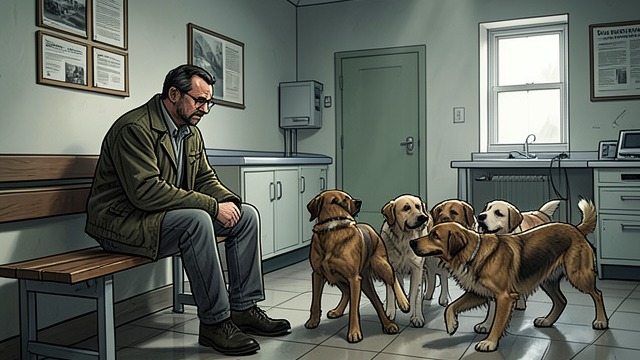
Animals as a Place to Return
A familiar door
When Colton’s apartment is damaged by a burst pipe and his plans for school are collapsing, he finds himself at the veterinary clinic. He knows he is welcome there to visit the animals, and the familiar routines of the clinic offer a temporary refuge from the pressure of money, housing, and an uncertain future.
Comfort without a solution
Colton encounters Viktor, who lets him spend time with the dogs. The animals greet him with recognition, and Gomez in particular seeks him out. Their affection does not repair Colton’s housing or financial problems, but it briefly gives him a kind of uncomplicated acceptance that he has difficulty finding elsewhere.
The visit also reconnects him with the vocation he has tried to set aside. Colton can tell himself that the clinic is only somewhere to feel better, yet his attention keeps returning to what the animals need and what he might be able to do for them. The refuge quietly becomes a point of reconsideration.
The Orphaned Kits
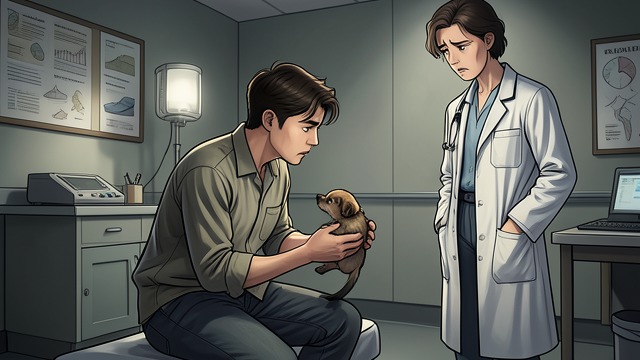
A Dream Reopens
Finding a new kind of care
During another difficult day, Colton returns to the clinic and meets Viktor among the animals. Viktor shows him a litter of orphaned kits, small enough to depend on careful feeding and handling. Colton’s immediate answer is to help, but he stops himself because he remembers how his earlier difficulties at the clinic ended.
Old shame meets present need
Colton worries that his ADHD and past mistakes could make him unsafe or unreliable. He does not assume that love for animals automatically makes him qualified to care for them. That caution is a sign of growth, even as it comes from the same history of being told he cannot manage what matters to him.
Elliot arrives and asks why Colton thinks he cannot help. The question forces the past failure into the open and creates room for a different outcome: Colton can explain not only why he left, but also that he still wants this work. The kits become the occasion for him to admit that the dream remains alive.
A Practical Path Forward
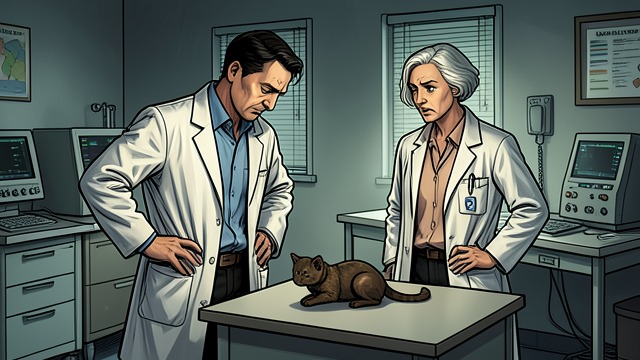
Purpose Becomes Work
A second chance
After hearing Colton’s concerns, Elliot offers him a position as a veterinary technician and explains that the clinic has a tuition program for employees pursuing veterinary school. The offer is not framed as pity: Elliot says the work and financial support make sense because Colton is serious about the goal and has continued returning to the clinic.
From rescue to vocation
Colton’s response carries the force of a breakthrough. He confirms that he has been admitted and accepts the chance to build a formal education around the work he has long wanted to do. The clinic that once became the setting of his dismissal now offers him a credible route into the future.
The change does not mean that Colton’s earlier mistakes or difficulties disappear. It means that they no longer define the limits of what he can attempt. His animal-care instinct can be supported by training, wages, and a structured opportunity, turning a lonely compulsion to rescue into a possible profession.
During Colton’s first years at Ted House
Before Colton turns eighteen
After Colton’s apartment floods
After Colton’s tuition panic
Near the end of the story
