
James’s Faith After Religious Harm
TemptationJames’s history of rejection by his preacher father becomes a source of hard-won perspective that helps Colton distinguish faith from the cruelty inflicted in its name.
increasing Bearing strength in each event
 decreasing
Bearing strength in each eventdecreasingA Preacher’s Judgment
Faith Turned Against Him
His Father’s Interpretation
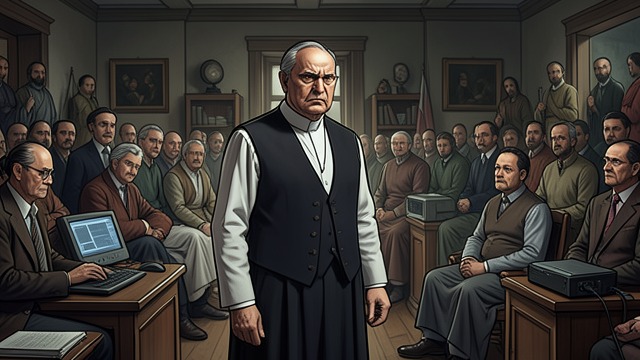
James grows up with a father who is a preacher and loves Jesus, yet interprets James’s lost legs as evidence that he has lost his way. The judgment binds disability to spiritual blame and gives James an authority figure’s condemnation to carry inside himself.
An Inherited Voice
For years, James struggles to separate his own understanding of his life from the voice of his father. His injury is not merely a physical change; it becomes part of an argument about whether he deserves love and whether religious belonging is available to him.
That unresolved conflict helps explain why James recognizes the difference between faith freely chosen and faith used to control someone. His later advice to Colton comes from experience rather than abstract reassurance.
Building a Life After Injury
Agency in a Changed Body
Making Prosthetics His Own
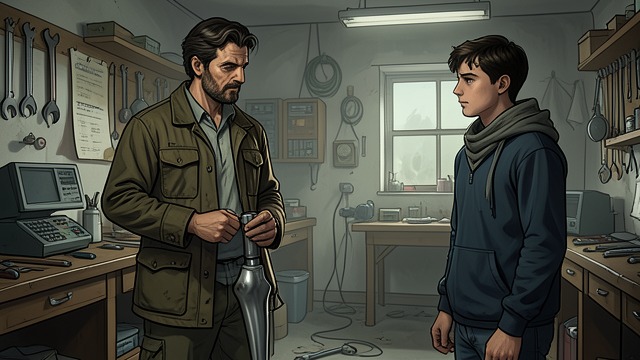
James uses prosthetics decorated with intricate designs, treating them as part of how he presents himself rather than as something to hide. The detail of the carved patterns reflects a person who has claimed creative agency even while carrying the judgments of his past.
A Community of Care
In the Fairfield community, James is no longer defined only by the preacher’s verdict or by his injury. His relationship with Rowan and his work with the people around Ted House place him in a network where his experience can be offered as support without becoming his whole identity.
His life demonstrates that recovery does not require reconciliation with the person who caused the wound. James can remain shaped by the past and still build meaningful bonds in the present.
Recognizing Colton’s Fear

A Mentor Sees the Stakes
The Threat of Losing Home
When Colton fears he will have to leave Ted House, James speaks with him about the limited time before the age-out deadline. He does not pretend that the uncertainty is small or that good behavior can erase every practical barrier.
Naming the Injury Beneath It
James recognizes that Colton’s distrust and fear are connected to rejection and religious harm. He explains that his own religious scars remain, then shares that his father once treated disability as proof of spiritual failure.
The exchange gives Colton a person who neither minimizes his fear nor treats him as broken. James’s honesty turns mentorship into reciprocal recognition: he offers hard-won understanding rather than a promise that everything will become easy.
Separating God From Abuse
A Different Account of Faith
Permission to Doubt
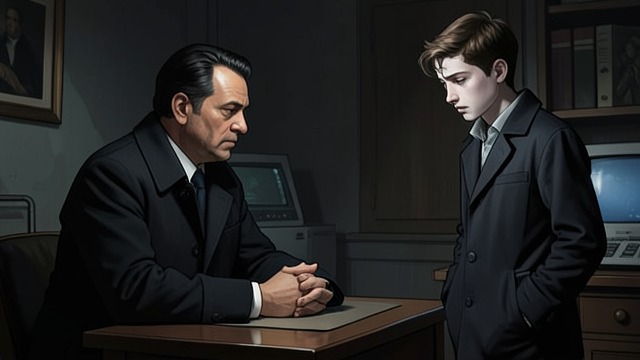
Colton tells James he is unsure whether God wants to hear him after what he has done and what he has suffered. James does not demand belief or offer a theological answer; he acknowledges that he, too, does not know whether God is listening.
Refusing the Abuser’s Verdict
James is certain about one thing: a child is not rejected by God for being born as he is. His words challenge the idea that Colton’s sexuality makes him deserving of punishment, without insisting that Colton return to the religion that taught him to fear himself.
The distinction gives Colton room to keep what remains meaningful to him while rejecting the cruelty of Father Benson and his parents. Faith becomes a question Colton may answer for himself rather than another instrument of coercion.
A Model of Imperfect Recovery
Love Without a Simple Ending
A History That Remains
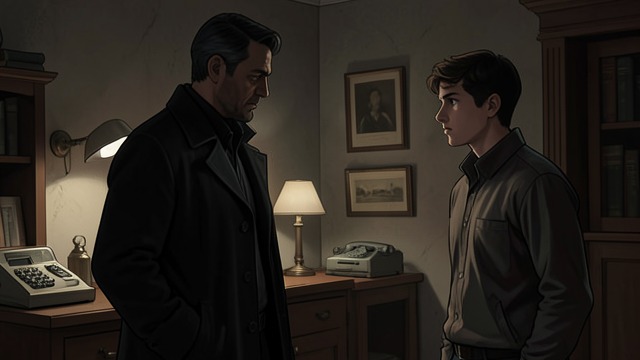
James tells Colton that he and his father never made up before his father died. The absence of reconciliation brings both relief and pain, leaving James unable to reduce the past to either a clean victory or a total defeat.
Staying Through Conflict
He explains that recovery also involved being loved by people who kept him close even when he met care with anger. For Colton, this account makes room for gradual change: people can remain connected through difficult behavior without demanding that trauma disappear first.
James’s destiny is therefore not a return to the family that rejected him, but a life in which he can offer insight and receive love elsewhere. His presence helps Colton imagine that survival can grow into belonging without making the past harmless.
before James becomes one of Colton’s mentors
during James’s adult life in Fairfield
in Colton’s final months at Ted House
shortly before Colton graduates from high school
during Colton’s early adulthood, after he leaves Ted House
