
Sacrifice Without Reward
Tess of the d'UrbervillesThis flow traces Tess’s repeated self-denial and asks what her sacrifices achieve in a world that offers little reciprocal mercy.
increasing Bearing strength in each event
 decreasing
Bearing strength in each eventdecreasingThe Family’s Burden

The Family’s Burden
Duty accepted as penance
Tess volunteers to approach The Slopes because she feels responsible for the loss of Prince and the family’s hardship. She places household survival above her discomfort and safety.
A sacrifice exploited
The willingness to bear responsibility does not protect her from Alec’s coercion. Her generosity becomes one of the conditions that others can exploit.
The Cost of Marriage

The Cost of Marriage
Tess restrains her own desire
Tess tries to redirect Angel toward the other dairymaids and repeatedly refuses his proposals. She believes that allowing herself happiness without disclosure would harm him.
Generosity turns inward
Her self-denial arises from care, but it also reflects the shame she has internalized. Angel’s persistence finally overwhelms her resolve without resolving the secret.
Forgiveness Offered, Not Returned
Forgiveness Offered, Not Returned
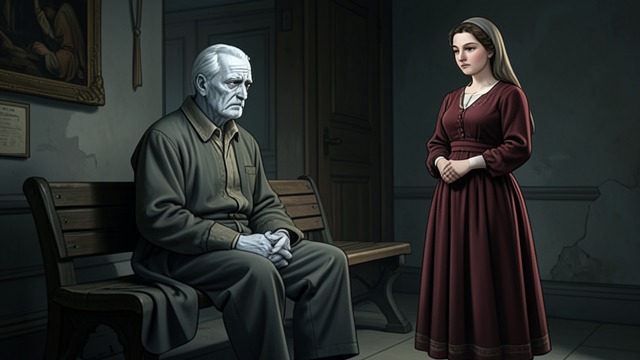
Tess forgives Angel
When Angel confesses his own past, Tess responds with sympathy and does not treat him as morally ruined. She expects their love to make room for human imperfection.
Asymmetry becomes decisive
Angel cannot offer the same generosity when Tess confesses. The contrast makes the marriage’s moral imbalance unmistakable and exposes how one-sided sacrifice cannot secure mutual care.
The Sisters’ Unselfish Love
The Sisters’ Unselfish Love
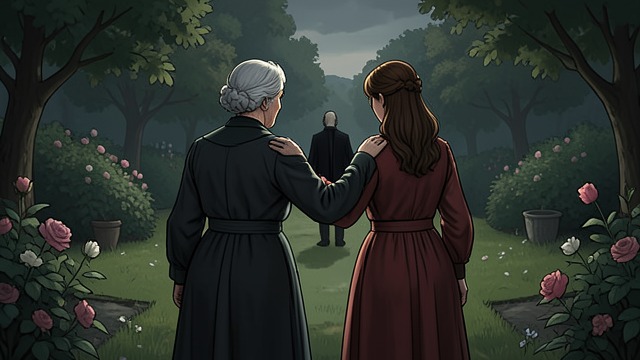
A shared sacrifice
Marian and Izz choose not to turn their disappointment into hostility toward Tess. Izz later refuses to let Angel’s loneliness make her a replacement for his wife.
Affection becomes action
Their restraint preserves Tess’s dignity and helps Angel understand the depth of her love. Their kindness cannot remove the structural dangers she faces, but it offers a counterexample to possessive love.
The Last Request

The Last Request
A future imagined for 'Liza-Lu
Tess asks Angel to care for her sister if she dies, even suggesting that he might someday marry her. She wants the qualities she values in herself to survive without the burdens she has carried.
Sacrifice reaches its limit
Her request is tender but cannot save her from arrest. Tess’s life has repeatedly been offered up for others, while the world provides no lasting protection in return.
after Prince’s death
during Tess and Angel’s engagement
the night after the wedding
after Angel leaves Tess
the night before Tess is arrested
