
Angels Faith and Alec’s Conversion
Tess of the d'UrbervillesThis flow compares Angel’s and Alec’s religious convictions and shows how belief can shape, fail, or excuse human conduct.
increasing Bearing strength in each event
 decreasing
Bearing strength in each eventdecreasingAngel Rejects the Articles
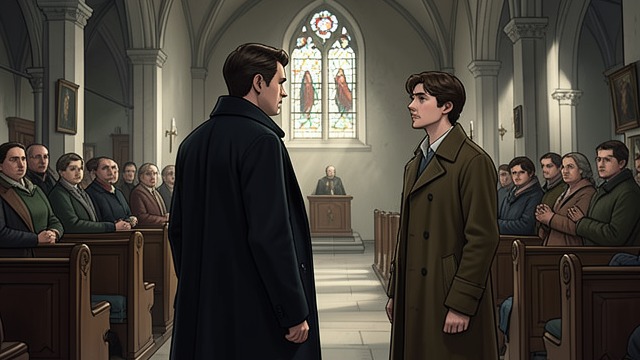
Angel Rejects the Articles
Intellectual dissent
Angel refuses ordination because he cannot honestly affirm the Church’s required doctrines. His father, James Clare, experiences the choice as a painful break in the family’s religious purpose.
Freedom with limitations
Angel values independent thought and resists inherited dogma. Yet he later discovers that intellectual independence does not automatically free him from inherited social assumptions.
Alec’s Apparent Reform

Alec’s Apparent Reform
A new religious identity
After his mother’s death and an encounter with James Clare, Alec becomes a preacher. His public language and outward appearance change, and he presents his past as a source of repentance.
Tess’s skepticism
Tess cannot easily accept the transformation because the man’s former actions remain vivid to her. The contrast between Alec’s claims and her experience makes conversion a question of conduct, not appearance alone.
Alec Abandons the Pulpit
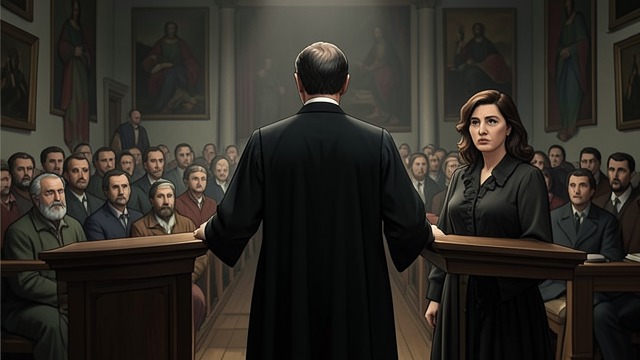
Alec Abandons the Pulpit
Desire displaces doctrine
Alec admits that seeing Tess has undone his religious resolve. He leaves a preaching engagement and frames his renewed pursuit as something Tess has caused.
Responsibility evaded
His language turns his own decisions into the consequences of her appearance. Hardy exposes how religious vocabulary can become another instrument of pressure rather than an ethical restraint.
Angel’s Moral Failure

Angel’s Moral Failure
Forgiveness withheld
Angel expects Tess’s forgiveness for his own past but cannot extend the same generosity when she discloses hers. His response turns a moral ideal into a gendered test applied to Tess alone.
A contradiction exposed
The man who questions religious and social doctrine remains captive to a conventional sexual standard. His conduct contradicts the abstract fairness he believes he possesses.
A Wider Judgment
A Wider Judgment
Experience unsettles certainty
Illness, isolation, and encounters with suffering change Angel’s sense of what matters. A fellow traveler’s more expansive perspective helps him see the narrowness of his earlier response to Tess.
Remorse without repair
Angel comes to judge moral worth by intention and character rather than by the past alone. His change is meaningful, but it arrives after Tess has been left exposed to renewed pressure.
before his practical farming apprenticeship
the winter before Tess encounters him at Evershead
at Candlemas Fair season, while Tess works at Flintcomb-Ash
the wedding night at Wellbridge
during Angel’s journey through Brazil
