
Purity Against the Social Verdict
Tess of the d'UrbervillesThis flow examines how the novel distinguishes Tess’s moral character from the sexual purity standard used to condemn her.
increasing Bearing strength in each event
 decreasing
Bearing strength in each eventdecreasingThe Novel’s Moral Claim

The Novel’s Moral Claim
Innocence before experience
Tess is introduced as emotionally young, generous, and closely connected to family and nature. Her character is not presented as a calculated pursuit of social advantage.
A challenge to convention
The subtitle A Pure Woman announces a conflict between Tess’s inner moral nature and the standards that later condemn her. The story asks readers to judge character by more than sexual history.
The Assault and Its Aftermath

The Assault and Its Aftermath
Coercion, not consent
Alec takes Tess away from the road and sexually assaults her. Her later distress does not erase the central fact that he exploits a vulnerable position.
Blame shifts to the survivor
Tess fears that society will treat the event as her moral failure. The contrast between what happened and what people assume becomes a central indictment of the sexual double standard.
Nature Refuses the Verdict
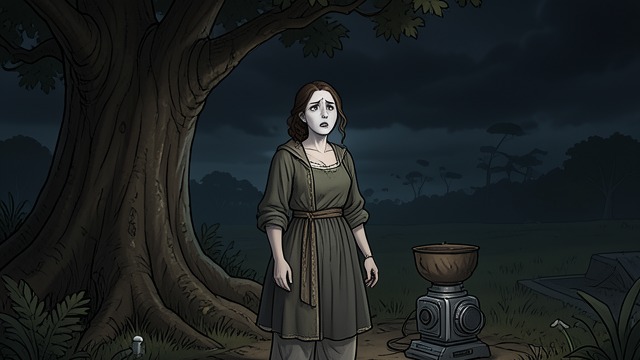
Nature Refuses the Verdict
Shame imagined in the landscape
Tess reads weather, trees, and night as if they condemned her. Hardy then distinguishes her fearful interpretation from the natural world itself, where she remains part of ordinary life.
A social rule, not a natural law
The narration argues that Tess has violated an accepted social convention, not a law recognized by her surroundings. Her guilt is intensified by human judgment rather than by any change in her essential character.
Angel’s Double Standard
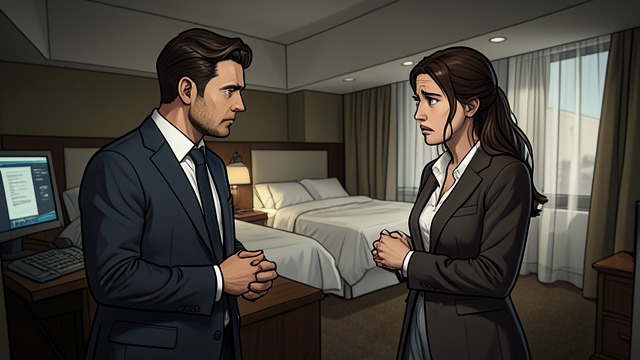
Angel’s Double Standard
Unequal forgiveness
Angel reveals his own sexual lapse and expects to be understood. He reacts to Tess’s past as though it makes her a different person, despite the coercion involved.
The beloved image collapses
Angel has loved an idealized version of Tess rather than fully confronting her history and humanity. His response demonstrates how the purity standard protects male freedom while punishing women.
Judgment at Winchester

Judgment at Winchester
Law completes the punishment
Tess is arrested after killing Alec and is executed in Wintoncester. The black flag marks the state’s final judgment on her life.
The narrator contests the sentence
The ending calls the execution justice only in bitter irony. Tess’s death exposes the distance between legal punishment and moral understanding.
the opening pages, before Tess’s family journey
the foggy night in The Chase
during Tess’s winter retreat after returning to Marlott
the first night after the wedding
after Tess is executed
