
Angel’s Idealism and Reversal
Tess of the d'UrbervillesThis flow follows Angel from intellectual independence through idealized love and cruel judgment to remorse too late to save Tess.
increasing Bearing strength in each event
 decreasing
Bearing strength in each eventdecreasingA Son Rejects Ordination
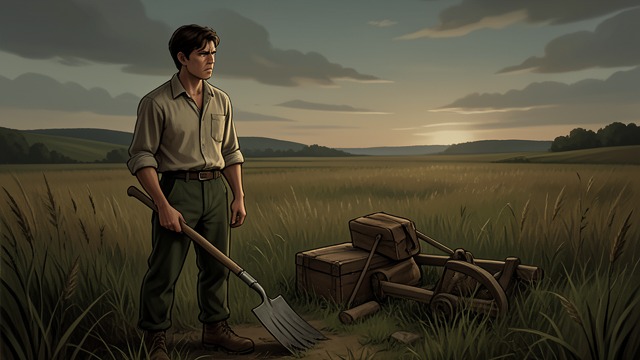
A Son Rejects Ordination
Conscience against family plans
Angel refuses to enter the Church because he cannot affirm its Articles literally. His disagreement with James Clare creates distance from his family and sends him toward practical farming instead.
A search for a vocation
He hopes farming will provide independence and room for thought. His idealism is genuine, but his confidence in his own judgment is not yet matched by a broad understanding of other people’s lives.
Love at Talbothays
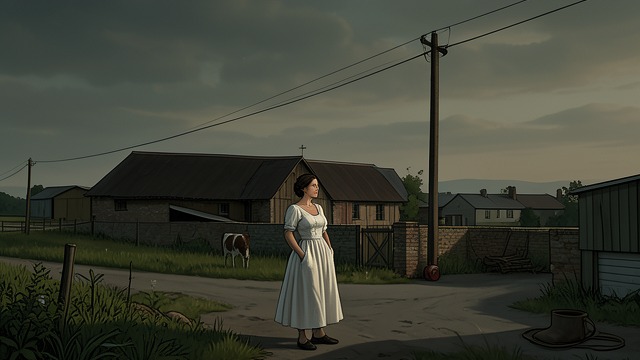
Love at Talbothays
An idealized attachment
Angel becomes fascinated by Tess and imagines her as a fresh, almost mythic embodiment of rural womanhood. Their intimacy develops amid the dairy’s work and the seasonal abundance of the valley.
A narrow vision
He loves Tess deeply, but his image of her depends on an imagined innocence. That idealization prepares the way for a severe reversal when he learns facts that do not fit his conception.
The Rejected Confession
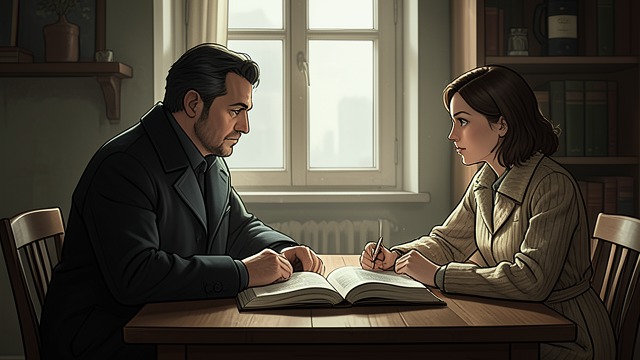
The Rejected Confession
Unequal confessions
Angel admits his own brief sexual lapse and receives Tess’s forgiveness. When she tells him about Alec, however, he responds as though her past has transformed her into a different person.
Principle over sympathy
Angel’s abstract moral standard defeats the compassion he expected from Tess. His judgment reveals the double standard he had not recognized in himself.
Brazilian Distance
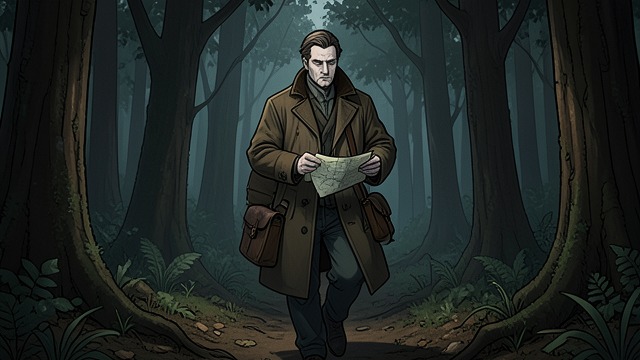
Brazilian Distance
An attempted escape
Angel goes to Brazil, partly to avoid the emotional consequences of his marriage. Illness and difficult conditions undermine his farming plans and force him to reconsider the assumptions he carried abroad.
Judgment changes slowly
Distance enables him to see that he judged Tess by a past she had not chosen. His remorse grows, but the delayed return turns moral insight into another source of pain.
Remorse After the Return
Remorse After the Return
A search for his wife
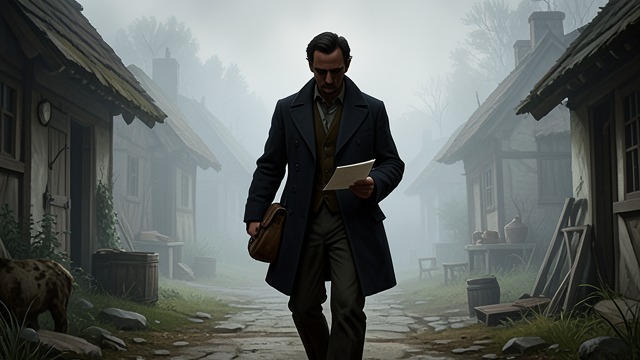
Angel receives Tess’s appeal and letters from Marian and Izz, then learns how hardship and Alec’s renewed pursuit have affected her. He travels across Wessex to find her.
Recognition too late
He reaches Sandbourne after Tess has returned to Alec. Angel’s new understanding restores his love, but it cannot undo the choices that left Tess exposed or prevent the final tragedy.
several years before Angel meets Tess again
the summer at Talbothays Dairy
the wedding night at Wellbridge
the months after Angel and Tess separate
the days after Angel’s return from Brazil
