
Tess and Her Family
Tess of the d'UrbervillesThis flow traces Tess’s affection for her parents and siblings and the sacrifices she makes to keep their household afloat.
increasing Bearing strength in each event
 decreasing
Bearing strength in each eventdecreasingA Daughter’s Embarrassment
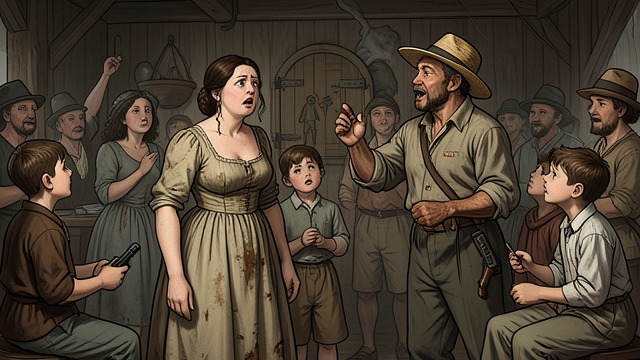
A Daughter’s Embarrassment
Love beneath shame
Tess is embarrassed when John rides home singing about the family vault, but she defends him against her companions’ jokes. Her affection for her father remains stronger than her wish to avoid ridicule.
Family duty begins early
Tess already carries a deputy-maternal role among her younger siblings. Her emotional attachment to the household helps explain why she accepts burdens that her parents cannot reliably carry.
The Journey with Abraham

The Journey with Abraham
Sibling companionship
Tess takes Abraham on the beehive journey because she wants company and because the delivery cannot wait. Their conversation moves between family fantasies and the vastness of the stars.
A child hears adult hopes
Abraham imagines Tess marrying a gentleman and rescuing the household. Tess rejects the fantasy, but the exchange shows how family expectations have already shaped a child’s view of her future.
A Mother’s Counsel
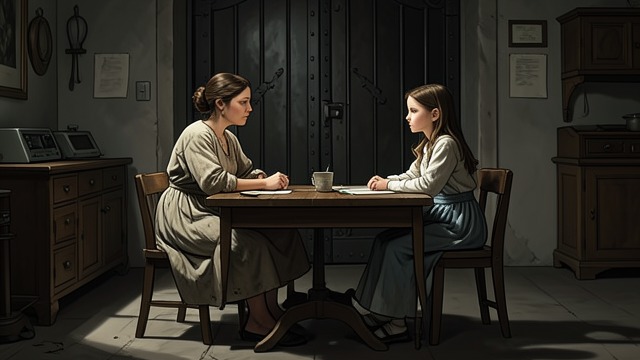
A Mother’s Counsel
Joan chooses concealment
Joan advises Tess not to tell Angel about her past, believing that silence protects the marriage and the family’s prospects. Her advice comes from practical experience and hope, not from an understanding of Tess’s conscience.
A conflict between generations
Tess wants to be fair to Angel even when Joan fears the consequences. Their disagreement shows the distance between Joan’s survival-oriented outlook and Tess’s stricter sense of honesty.
Returning to Care for Joan
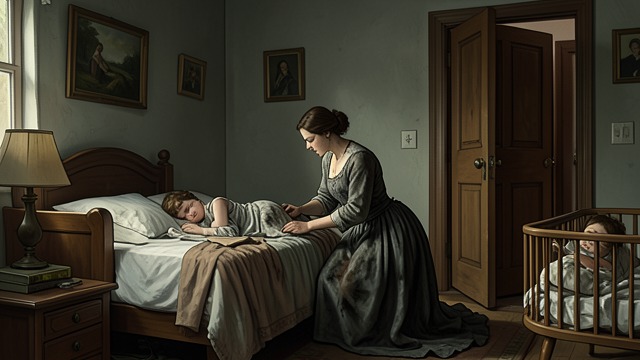
Returning to Care for Joan
Duty draws Tess home
When 'Liza-Lu reports that Joan is seriously ill, Tess leaves her job before the term ends and walks home. The urgency of family need overrides her wish to remain away from painful memories.
Care replaces self-concern
Tess nurses Joan and tends the younger children while the household faces John’s worsening health. Her own troubles recede as she becomes the family’s practical center again.
The Siblings’ Future
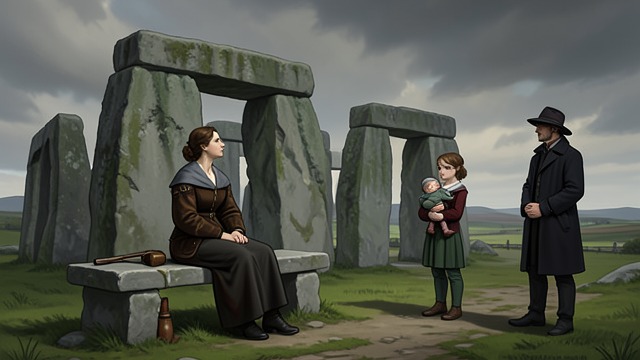
The Siblings’ Future
Tess looks beyond herself
As she rests at Stonehenge, Tess asks Angel to look after 'Liza-Lu if she dies. She believes her sister possesses her best qualities without the experiences that have harmed her.
A tender but impossible wish
Tess even suggests that Angel might marry 'Liza-Lu someday. The request expresses love for her sister and a desire to preserve their bond, even as her own future closes.
the Marlott club-walking in May
before dawn after John becomes unable to travel
after Angel asks Tess to marry him
spring, when Tess receives news of her mother’s illness
at Stonehenge, shortly before Tess’s arrest
