
Maya and the Limits of Deception
The Adventures of Maya the BeeMaya encounters creatures who conceal, exaggerate, or misread the truth, learning that trust and caution must be judged through actions rather than appearances alone.
increasing Bearing strength in each event
 decreasing
Bearing strength in each eventdecreasingBobbie’s False Identity
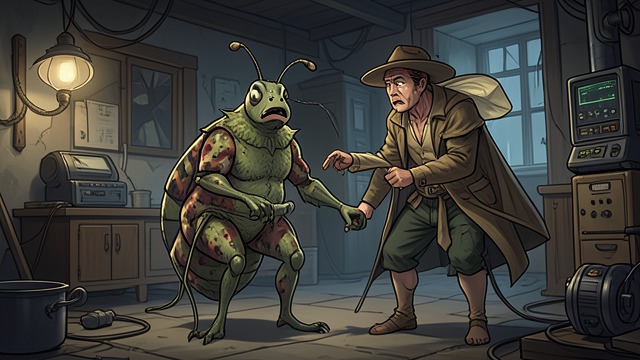
A Name Misrepresented
The Disputed Suitor
Effie says Bobbie let her believe he was a rose-beetle, while the snail has told her he is a tumble-bug. The difference unsettles her and becomes one reason she withdraws from their courtship.
Vanity Exposed
Bobbie protests that he wants to be loved for himself rather than his work, yet later introduces himself to Maya as a rose-beetle again. His self-presentation complicates sympathy for his heartbreak.
Thekla’s Promise
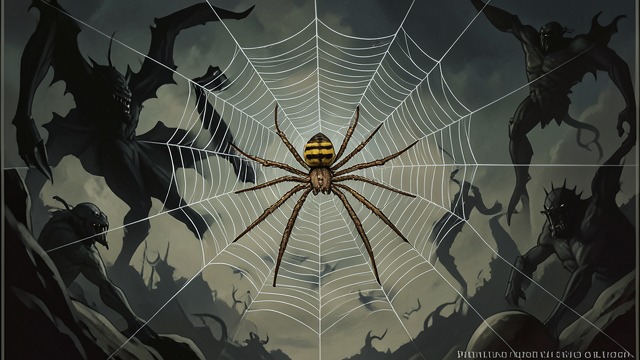
Trust Used as a Weapon
A Seeming Offer
Thekla tells Maya to stay still and promises to free her. In desperation, Maya accepts the spider’s reassurance despite the danger surrounding them.
Deception Confirmed
Thekla binds her with new silk instead. The betrayal shows Maya that persuasive words may conceal a predator’s intentions, particularly when the speaker holds all the physical power.
Puck’s Self-Importance
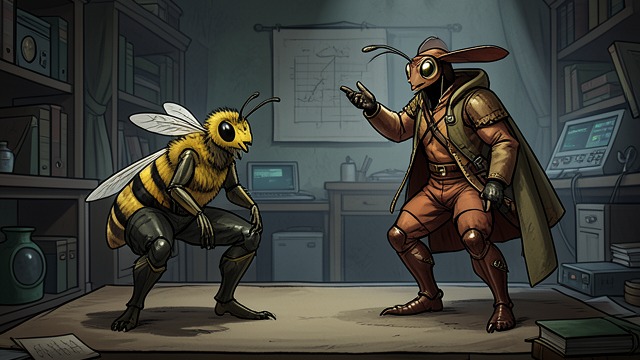
A Confident Narrator
Stories as Performance
Puck claims broad knowledge of humans and presents his own nuisance as admirable sport. His sharp observations are mixed with boasts and interpretations that center his importance.
Listening with Discernment
Maya is interested in the information but does not accept his view of humanity wholesale. Her changing respect for him shows that a source can offer useful knowledge without becoming a reliable guide in every matter.
The Mosquito’s Version
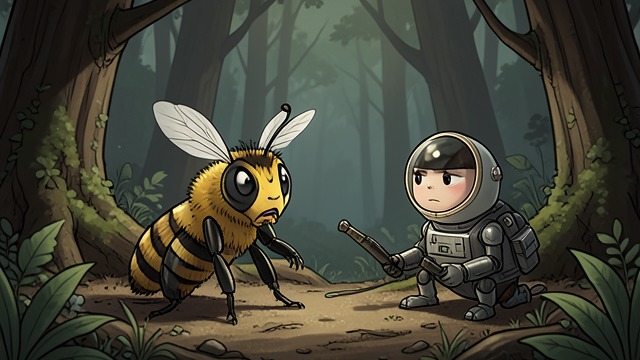
A Challenge to Idealism
One Act, Two Judgments
The mosquito describes stinging the child as ordinary feeding, while Maya sees an act of cruelty. Their disagreement exposes how each creature’s needs and habits shape its account of what is acceptable.
Evidence Still Incomplete
Maya leaves before learning what happens next. She has heard a perspective that complicates her beliefs, but it does not settle her questions about humanity or the mosquito’s conduct.
A Promise Kept
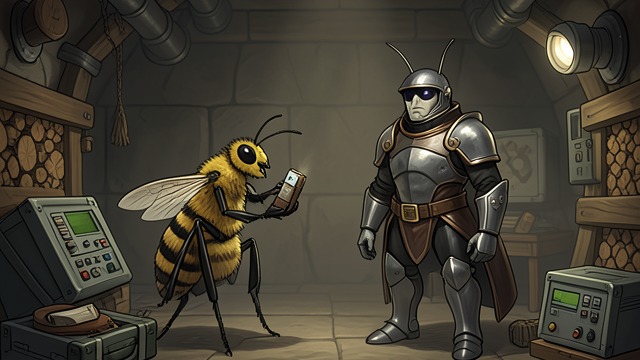
Trust Tested by Action
A Dangerous Agreement
Maya tells the sentinel where Loveydear lives in return for her freedom. She asks for his word of honor before disclosing the location, recognizing the risk of relying on an enemy.
The Sentinel Steps Aside
He keeps his promise and lets her go. In contrast to Thekla’s false reassurance, this agreement is honored, teaching Maya that even within an enemy force, conduct can matter more than reputation.
Early in Maya’s travels, during Effie’s visit
Late summer, after Maya is caught in the web
During Maya’s first meeting with Puck
During Maya’s encounter with the sleeping child
At dawn, as Maya negotiates with the sentinel
