Freedom and Belonging
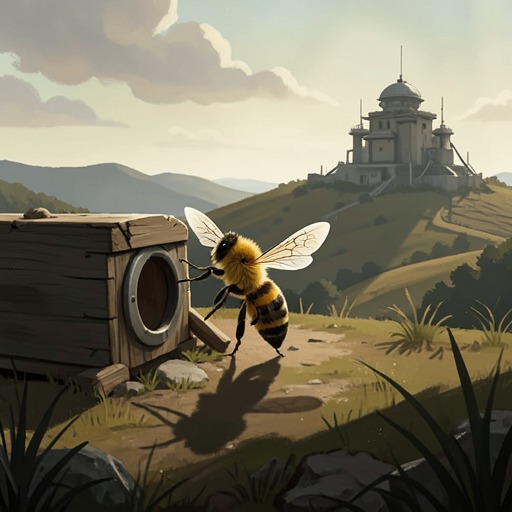
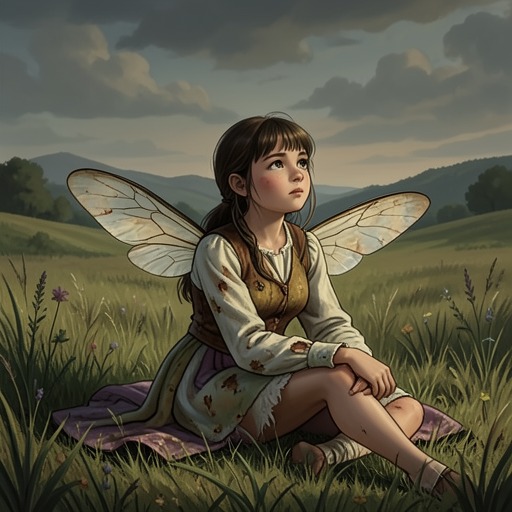
The Adventures of Maya the BeeFreedom and Belonging is the central tension in Maya’s life outside the hive: independence opens a world of discovery, but also exposes her to loneliness and danger, while belonging offers protection and shared purpose without extinguishing her restless curiosity. The story does not resolve this tension by declaring one life superior to the other. Instead, Maya’s return allows the experience gained in freedom to become a contribution to the community she once left.
Freedom as Exposure
On a rainy day, Maya thinks back to the solidarity of her former home, where the Bees can spend the quiet hours together, tend cells, and feed larvae. The hive’s ordinary routines are supported by a larger structure of mutual protection: messengers check the weather, while the queen moves through her kingdom, attending to its needs and recognizing the work of younger Bees. Remembering that order makes Maya conscious of what she has lost by leaving. Away from the community, she is lonely, cold, and vulnerable to the possibility that rain will continue. The flowers she depends on offer little nourishment, and their pollen may soon be gone.
That contrast gives freedom a material cost rather than treating it as an abstract ideal. Outside the hive, Maya must face weather and food scarcity without the collective safeguards on which communal life depends. Yet the same isolation also brings a discovery: she realizes how much a wandering life depends on sunshine. The thought of sunlight cheers her, and she takes pride in having dared to begin life on her own. Her travels have shown her more than a Bee might learn by remaining at home, and she regards experience as precious enough to justify sacrifice. The risks do not cancel the value of independence; they make its value inseparable from its demands.
Experience, Restlessness, and Homesickness
Maya’s freedom is not presented as uncomplicated happiness or as a temporary mistake. Her days among insects in gardens and meadows bring many joys as well as occasional risks, but she repeatedly misses the companions of her childhood and feels an ache for her people and their kingdom. At times she longs for regular work and the company of her own kind. These feelings recur alongside, rather than replacing, her enjoyment of the wider world.
The narrative describes Maya as restless and not ready to settle permanently into the Bees’ community. It also cautions against reducing such difference to laziness or stubbornness, suggesting that a departure from ordinary life may express a serious desire to seek something beyond it. Maya’s curiosity is tied to her delight in creation and her eagerness to know. As she grows stronger and more experienced, she gains both knowledge and a greater sense of the pleasures and hazards of life beyond the hive. She can imagine returning, asking the queen for pardon, and resuming an honorable place among her people; nevertheless, the desire to understand human beings continues to hold her back. Her independence therefore remains purposeful, even as the longing for companionship grows.
Belonging as Collective Practice
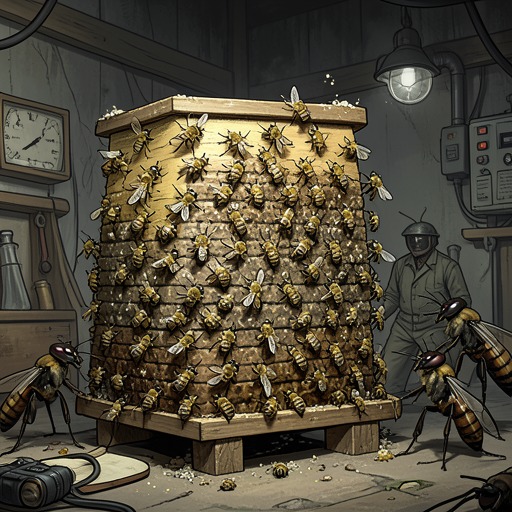
The Bees’ community is more than a refuge from exposure. During the attack by the Hornets, the Nation of Bees demonstrates belonging as coordinated action. The hive mobilizes quickly, with each soldier taking an assigned place and task. At the entrance, soldiers form three closed ranks while workers quietly build wax partitions that narrow the opening. The queen surveys the battle from an elevated position as aides carry out their duties. These concrete preparations show how individual roles are organized around the defense of a shared home.
The battle makes the costs of this solidarity unmistakable without making belonging merely a matter of obedience. A young officer rushes forward at the first call and dies in the fighting; his action inspires the other Bees. The defenders’ tactics depend on reserve ranks moving into threatened positions, and the conflict continues until the Hornets’ attack has been beaten back at great cost. An older Hornet identifies the source of the Bees’ strength not as physical superiority but as unity and loyalty: each serves the welfare of all rather than self-interest. In this episode, communal belonging is both an ethical ideal and a practical defense. Its force comes from people acting together, not from the absence of danger or sacrifice.
Return and the Joining of Two Lives
Maya’s eventual reception by Queen Helen VIII brings the theme to its resolution. The queen puts an arm around her neck and recognizes that Maya has not forgotten her home or her people. Rather than treating her departure as proof of disloyalty, the queen interprets the loyalty in Maya’s heart as grounds for reciprocal trust. She pardons Maya and appoints her to remain by her side and help conduct the affairs of state.
The appointment gives Maya’s years of wandering a public purpose: the things she has learned are to serve the good of her people and country. This ending does not portray her earlier independence as wasted, nor does it claim that experience outside the community can replace belonging. Instead, the two become mutually sustaining. Maya returns with knowledge acquired beyond the hive, while the community offers a place in which that knowledge can be used. She becomes respected and loved, and later tells young Bees the adventures she has lived through. The stories preserve the value of exploration within the community that once represented home, so freedom and belonging meet not through erasure of difference but through the contribution of experience.