
The Value of Work and Learning
The Adventures of PinocchioThe novel contrasts schooling and honest labor with shortcuts and idleness, tracing how Pinocchio’s rejection of effort gives way to self-education and earned independence.
increasing Bearing strength in each event
 decreasing
Bearing strength in each eventdecreasingA Schoolbook Purchased
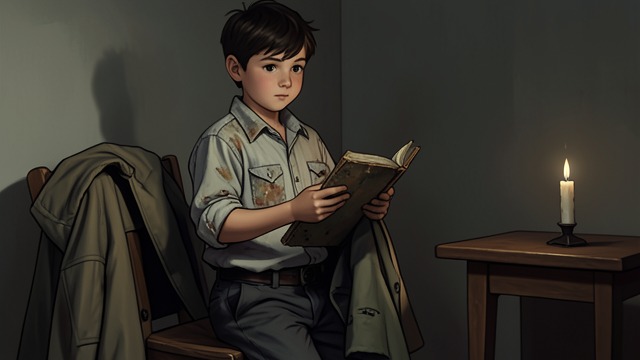
Education Requires Sacrifice
Geppetto’s Investment
Geppetto sells his coat so Pinocchio can have an A-B-C book. The gift makes education possible, but its cost is paid by a father who has little to spare.
Opportunity at Risk
Pinocchio initially cherishes the plan to learn and earn money. His later sale of the book exposes how fragile an opportunity can be when immediate entertainment seems more attractive.
The Rejection of Labor
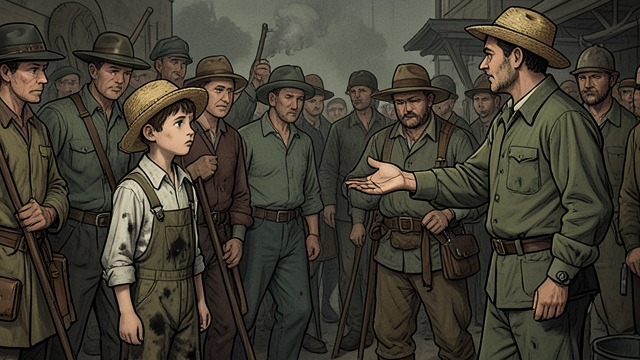
Work Refused
A Choice Presented
Pinocchio is hungry and asks passersby for money, but workers offer him wages in exchange for help. He rejects their offers because he considers the tasks too difficult.
Pride Keeps Him Hungry
Only a meal offered in return for carrying water persuades him to work. The episode makes his reluctance visible as a choice with immediate costs, rather than an unavoidable condition.
Toyland’s Empty Freedom
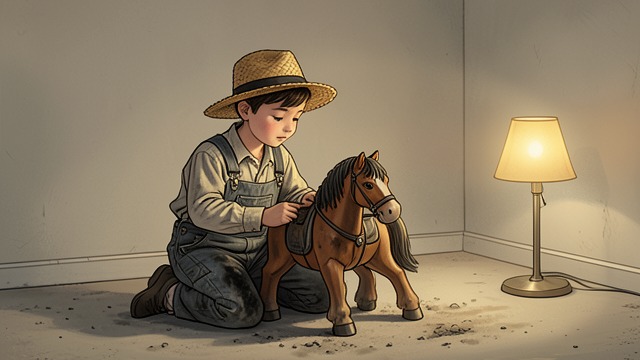
Pleasure Without Purpose
The Ideal of No School
Lamp-Wick sells the Land of Toys as a place with no lessons, books, or teachers. Pinocchio embraces its play and believes that avoiding effort has made him happy.
The Hidden Price
Five months of idleness end in the boys’ transformation into donkeys. The apparent freedom has concealed a system that profits from their refusal to learn and work.
Labor Before Learning
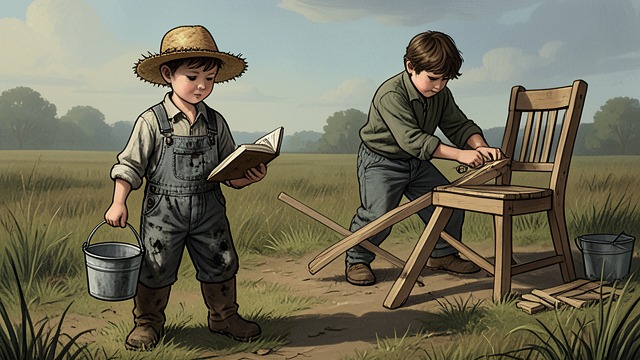
Work Creates Possibility
Earned Support
Pinocchio draws water for Farmer John to obtain milk for Geppetto. He then makes baskets and sells them, gaining a more dependable means of support.
Study Continues
In the evenings he studies from a damaged secondhand book and teaches himself to write with improvised tools. Learning becomes an activity he sustains alongside work, not a condition imposed by others.
Success Without Shortcuts
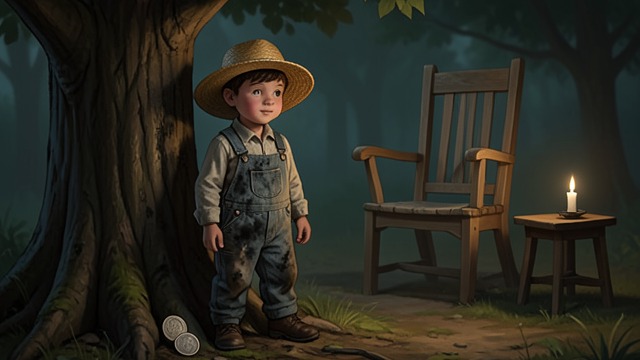
A Different Kind of Wealth
Savings and Priorities
Pinocchio saves fifty pennies through his labor and plans to buy clothes. When he learns that the Fairy is ill and poor, he gives the money away.
Earned Transformation
His education, work, and generosity precede his change into a real boy. The ending contrasts the false money tree with prosperity built through effort and care.
The morning Pinocchio is meant to start school
After Pinocchio reaches the Island of the Busy Bees
The five months after arrival in Toyland
The first months after the rescue from the Shark
The final months before the ending
