Eat two slices of your pride
The Adventures of Pinocchio“Eat two slices of your pride” is the Coal Man’s answer to Pinocchio’s hungry request for a penny and his offended refusal to help pull two wagons. The joke turns pride into food just as hunger makes food urgent: Pinocchio can either accept honest work or remain hungry with his dignity intact. The Coal Man’s line is a compact example of the book’s comic moral instruction, making its rebuke memorable without softening its practical force.
The Exchange
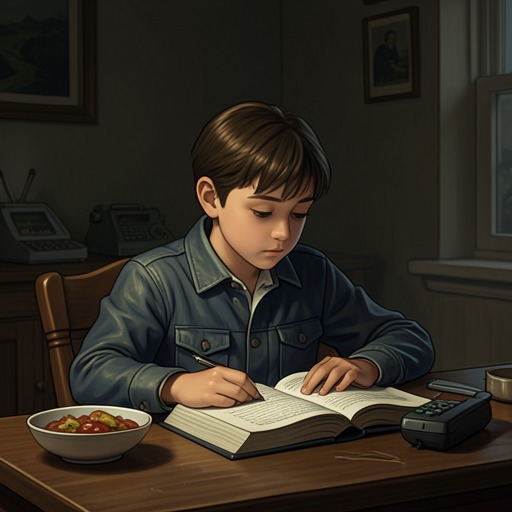
Pinocchio approaches the Coal Man with his eyes downcast and asks for a penny because he is faint with hunger. The man offers not charity alone but four pennies in exchange for help pulling two wagons. Pinocchio takes offense, insisting that he has never been a donkey and has never pulled a wagon. His reply makes the contrast plain: the work is available, the need is real, but he treats the task as beneath him.
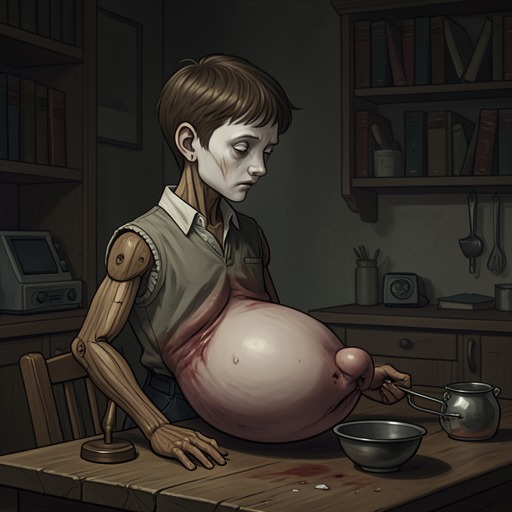
The Coal Man answers, “Then, my boy, if you are really faint with hunger, eat two slices of your pride; and I hope they don’t give you indigestion.” The absurd image gives pride the properties of a meal while exposing its uselessness as one. The offer of four pennies makes the rebuke concrete: Pinocchio could earn money by helping, but his vanity obstructs the straightforward remedy to his hunger.
Pride and the Pattern of Refusal
The phrase belongs to a broader pattern in which Pinocchio resists advice and then encounters the consequences of doing as he pleases. Earlier, after disregarding the Talking Cricket’s good advice, he dismisses the danger of the Assassins and imagines that warnings about them are inventions by parents meant to frighten children who run away at night. His confidence is another form of refusal: he hears warnings but assumes they need not govern his choices.
After his schoolmate Eugene is struck down in a fight, Pinocchio stays when the other boys flee. He wets his handkerchief in the sea and bathes Eugene’s head, crying and calling to him. In his distress he recognizes the part his own stubbornness and pride have played, and regrets listening to the boys instead of going to school. The Coal Man’s earlier joke thus sits within a recurring contrast between Pinocchio’s self-assertion and the costs that follow when he rejects sensible guidance.
Comic Instruction for Young Readers
The book’s narrator directly addresses its child readers from the opening, anticipating that they will guess a king begins the story before correcting them: the beginning is a common block of firewood. That playful exchange establishes a mode of instruction that does not rely on solemn pronouncements alone. The Coal Man’s line works similarly: it delivers a practical lesson through a vivid, teasing image, while leaving Pinocchio’s embarrassment and choice visible in the scene.
Hunger and eating recur later in a very different register. After the Tunny rescues Pinocchio and Geppetto from the Shark, Pinocchio follows a small light to a table illuminated by a candle in a glass bottle and finds Geppetto eating live fish. The scene turns food from the Coal Man’s comic measure of Pinocchio’s pride into part of the astonishing reunion with his father. It does not repeat the expression, but it recalls the bodily need beneath its joke: hunger is not an abstraction, and pride cannot satisfy it.