Pinocchio becomes a real boy
The Adventures of PinocchioPinocchio becomes a real boy in the story’s final transformation, where a change of body confirms a change in conduct. After caring for Geppetto through illness and old age, Pinocchio works late into the night, dreams of the Fairy with Azure Hair, and wakes no longer made of wood. The ending joins personal reward to family renewal: the boy’s new appearance, the Fairy’s returned money, Geppetto’s rejuvenation, and the improved home all answer the care Pinocchio has finally learned to give.
The Last Night of Work
The transformation follows a night in which Pinocchio does more than meet his accustomed labor. Instead of going to bed at ten o’clock, he waits until midnight; instead of making eight baskets, he makes sixteen. The doubled work is a precise sign of effort freely extended, and it immediately precedes the dream in which the Fairy with Azure Hair recognizes his changed conduct. The story makes the night’s labor the hinge between Pinocchio’s former habits and the new life awaiting him at dawn.
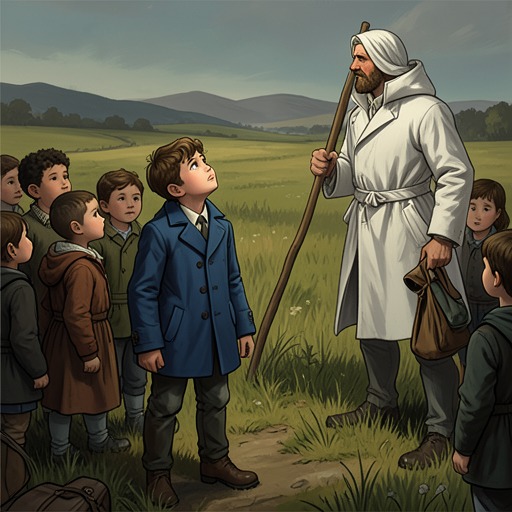
The importance of this moment becomes clearer against the earlier history of his disobedience. As a Marionette, Pinocchio repeatedly resists advice and pursues his own impulses. On the road, he dismisses the Talking Cricket’s warnings and imagines that he can handle any danger himself. After a schoolmate is struck down in a fight, however, Pinocchio is left beside the pale, apparently lifeless boy while the others flee. He cries over Eugene, regrets listening to bad company, and thinks bitterly that he should have gone to school. Those episodes show a boy who recognizes consequences only after harm has occurred. The final night reverses that pattern: rather than merely lamenting what has happened, Pinocchio acts consistently and works beyond what is required.
The Dream and the Change
As Pinocchio sleeps, he dreams of the Fairy with Azure Hair, beautiful, smiling, and happy. She kisses him and tells him that his kind heart earns forgiveness for his former mischief. Her judgment makes the basis of the transformation explicit: boys who love and care for their parents when they are old and sick deserve praise, even if they have not been models of obedience and good behavior. The dream does not erase the earlier wrongdoing. Instead, it distinguishes the accumulated record of mischief from the care Pinocchio now demonstrates, allowing the story’s reward to rest on a particular change in how he treats another person.
Pinocchio wakes at that very moment and discovers that he is no longer a Marionette but a living boy. The change is immediately visible in his reflection: he can scarcely recognize the tall boy’s bright face, wide-awake blue eyes, dark brown hair, and happy, smiling lips. The transformation is not described as a gradual adjustment. Pinocchio looks himself over, rubs his eyes, and moves from bed to chair, where new clothes and shoes make the altered body tangible. The familiar wooden figure has given way to a human appearance he must inspect before he can believe it.
The Fairy’s Gift and Geppetto’s Renewal
The material signs of the change include more than Pinocchio’s body and clothes. In his pocket he finds a little leather purse bearing the Fairy with Azure Hair’s message: she returns fifty pennies with thanks for his kind heart. Inside are fifty gold coins. The return of money is tied directly to his kindness, while the distinction between the message’s fifty pennies and the gold coins he finds gives the discovery its own small surprise. The Fairy’s gift makes gratitude visible and accompanies, rather than substitutes for, Pinocchio’s transformation.
The question of Geppetto’s whereabouts interrupts Pinocchio’s first astonishment. He runs into the next room and finds his father grown years younger, dressed in new clothes, and cheerful as he works on a picture frame decorated with flowers, leaves, and animal heads. Pinocchio embraces him and asks what has happened. Geppetto answers that the sudden change in the house is Pinocchio’s doing: when bad boys become good and kind, they can make their homes joyful and new with happiness. The ending thus extends the consequence of Pinocchio’s conduct beyond his own body. His care is represented as restoring not only the son’s life but also the household and the father who had suffered alongside him.
The Wooden Marionette Left Behind
Geppetto points to the large wooden Marionette leaning against a chair: its head is turned aside, its arms hang limp, and its legs are twisted beneath it. This abandoned figure gives the transformation a physical before-and-after. Pinocchio does not simply receive a human body while the old self disappears without trace; the inert wooden form remains in the room, available for him to look back at. Its slack posture contrasts with the alert face in the mirror and the boy’s movement toward Geppetto.
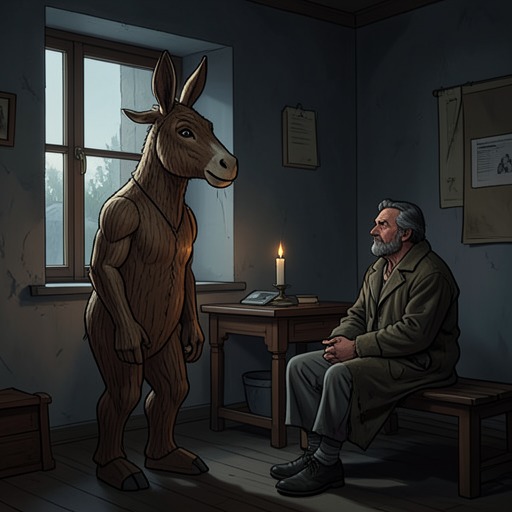
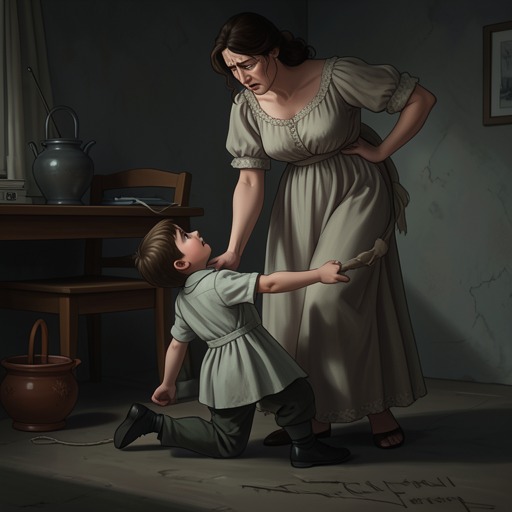
Pinocchio regards the figure with contentment and recognizes how ridiculous he had been as a Marionette, while expressing happiness at having become a real boy. That final recognition gives the event its decisive significance. The outward change completes a trajectory that began with a common block of firewood and passed through rebellion, danger, public performance, and renewed family attachment. Earlier, Pinocchio’s body was repeatedly exposed to forces that shaped or displayed it: the Marionettes carry him in triumph onstage, and the donkey he becomes must be trained through months of work and lashings before a public performance. At the ending, the body is no longer an object for others to control or exhibit. The final scene instead connects his new human form to his own sustained work and care for Geppetto, and leaves the old wooden figure as the visible measure of what has changed.