Pinocchio kills the Talking Cricket with a hammer
The Adventures of PinocchioPinocchio kills the Talking Cricket with a hammer after rejecting his advice about schooling, work, and the consequences of idleness. The episode is an early, decisive collision between the Cricket’s calm counsel and Pinocchio’s impulsive defiance: rather than answer the warning, Pinocchio silences the adviser, and the Cricket dies.
Background and Warning
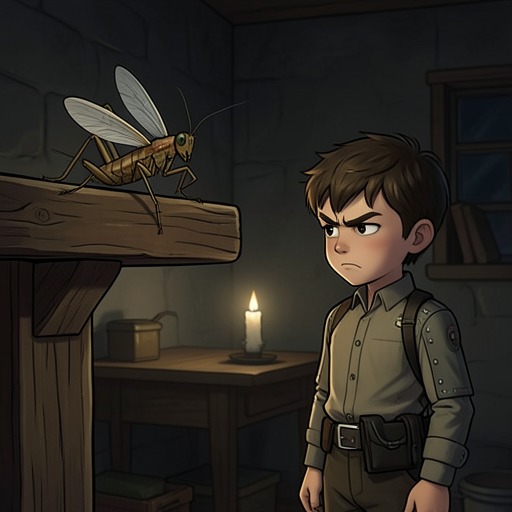
The Talking Cricket does not retaliate when Pinocchio insults him. Instead, he continues in a calm tone, first warning that a boy who refuses school may become a donkey and a laughingstock, then advising Pinocchio to learn a trade and earn an honest living. Pinocchio describes the life he prefers as eating, drinking, sleeping, playing, and wandering from morning until night. The Cricket answers that people who follow such a life end up in the hospital or in prison. His counsel is practical as well as cautionary: it identifies work as a means of supporting oneself and idleness as a path toward hardship.
The Killing
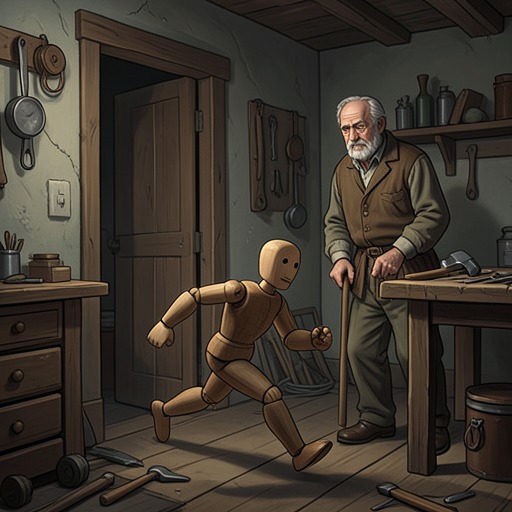
Pinocchio’s anger sharpens when the Talking Cricket calls him a Marionette with a wooden head. Pinocchio jumps up, takes a hammer from the bench, and throws it with all his strength. The narrator allows that Pinocchio may not have expected to hit him, but the blow lands directly on the Cricket’s head. After one last weak chirp, the Cricket falls from the wall dead. The sequence moves abruptly from an argument about how to live to an act of lethal violence; Pinocchio’s failure to heed advice becomes more than a childish refusal.
Aftermath and Significance
The narrative soon frames Pinocchio’s continued journey as the consequence of having ignored the Talking Cricket’s good advice, and he imagines that the Assassins he fears are merely inventions parents use to frighten children who run away at night. His dismissal of danger extends the pattern established in the killing: warnings are treated as bothersome or unreal until events prove their seriousness.
Later, after his schoolmate Eugene is struck during a fight, Pinocchio sobs over him and reflects that he should have gone to school and should not have listened to boys who were a bad influence. He recognizes that warnings from his teacher and mother had gone unheeded and describes himself as stubborn and proud. This later remorse does not undo the Cricket’s death, but it shows the recurring cost of Pinocchio’s defiance. The episode also places an unsettling limit on the story’s comic, child-directed moral instruction: the advice is delivered patiently, yet the response is sudden and irreversible.