Mecca
The AlchemistMecca, the holy city of Islam, is the destination of the pilgrimage that constitutes the fifth obligation of every Muslim. In The Alchemist, it functions not as a place Santiago visits but as a powerful symbol of an unrealized dream, embodied in the life of the crystal merchant. The merchant's relationship with Mecca provides a crucial contrast to Santiago's own quest, illustrating the difference between dreaming of a destiny and actively pursuing it.
The Fifth Obligation and the Unfulfilled Dream
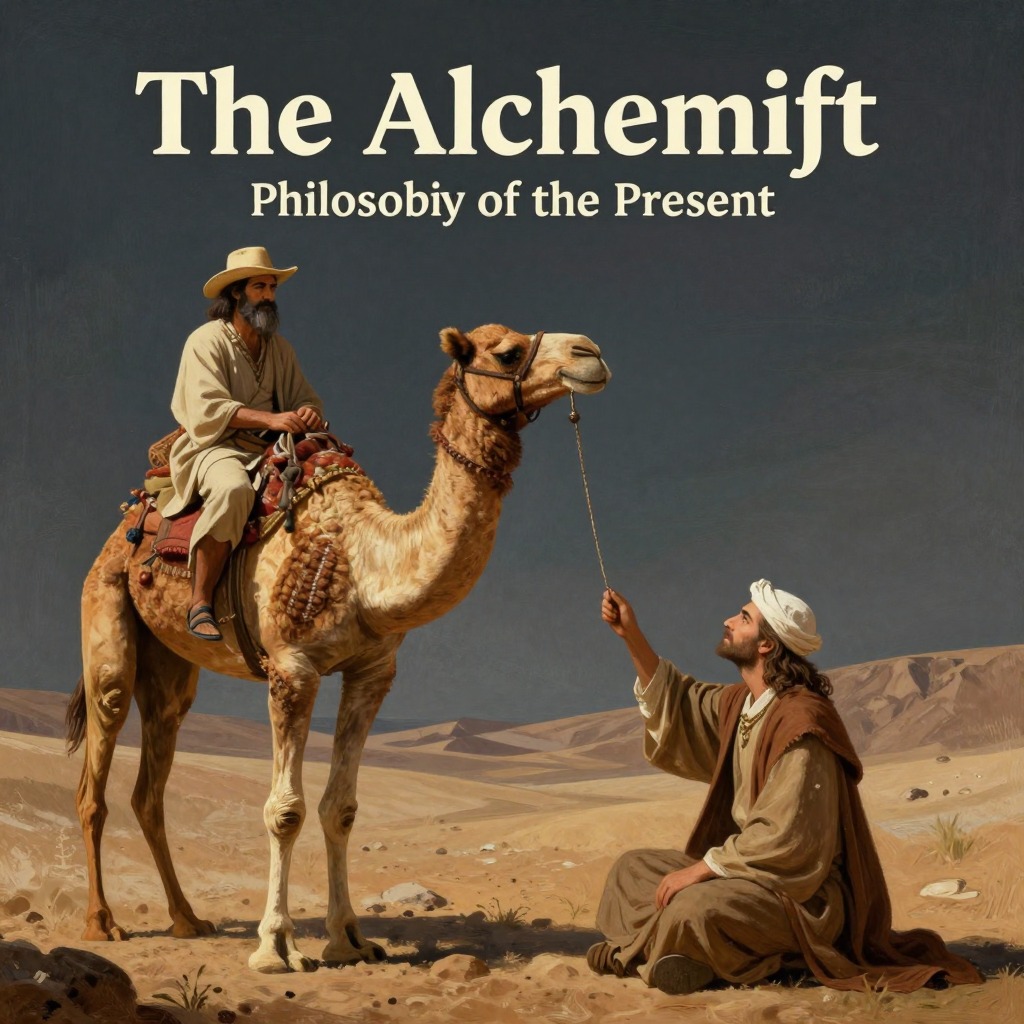
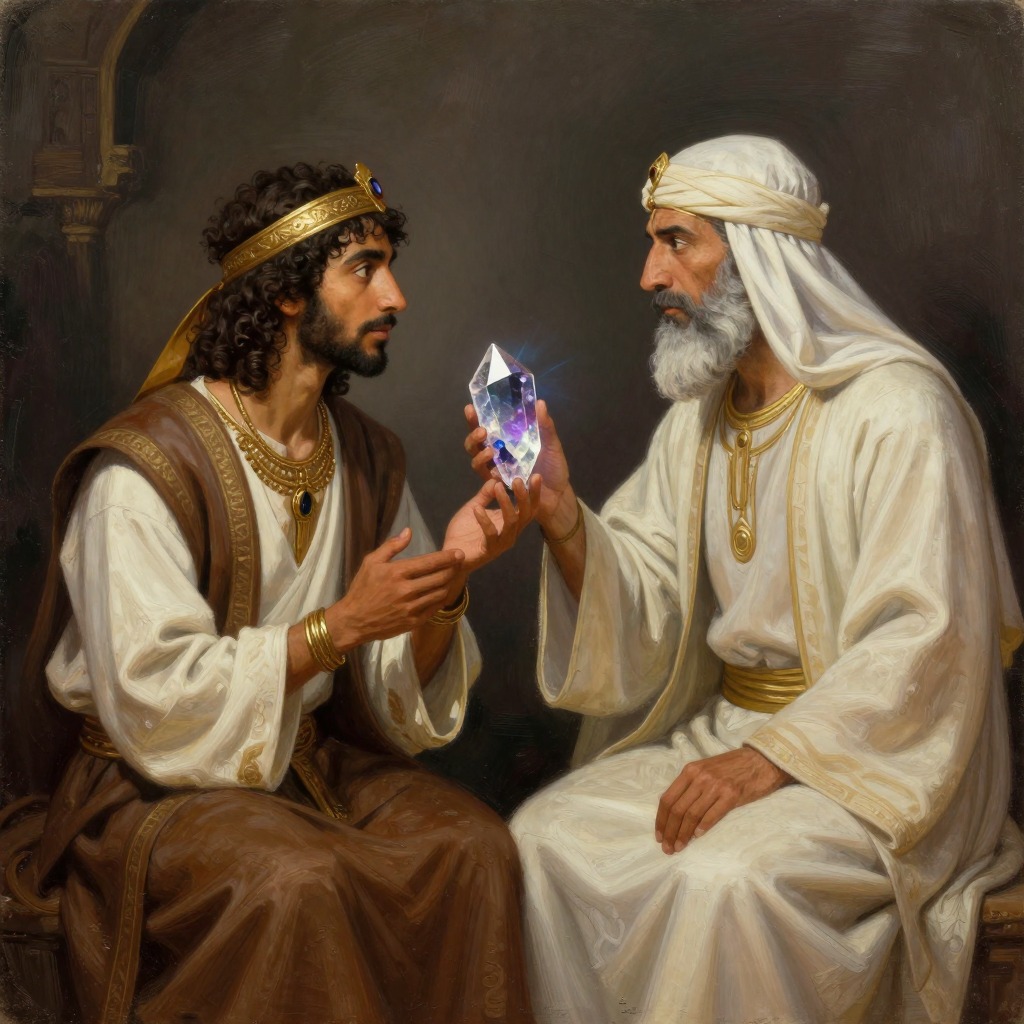
The crystal merchant explains to Santiago that the Prophet Muhammad gave Muslims the Koran and left them five obligations, the most important being belief in the one true God, along with prayer, fasting during Ramadan, charity to the poor, and the pilgrimage to Mecca. He describes Mecca as "a lot farther away than the Pyramids." When he was young, he wanted to put together enough money to start his shop, thinking that someday he would be rich and could go. But he never brought himself to leave someone in charge of the shop, because the crystals were delicate things. Meanwhile, people passed his shop all the time heading for Mecca—some were rich pilgrims traveling in caravans with servants and camels, but most were poorer than he was. All who went were happy at having done so, placing the symbols of the pilgrimage on the doors of their houses. One cobbler who made his living mending boots said he had traveled for almost a year through the desert but got more tired when he had to walk through the streets of Tangier buying his leather.
The Fear of Realization
When Santiago asks the merchant why he does not go to Mecca now, the merchant gives a revealing answer: "Because it's the thought of Mecca that keeps me alive. That's what helps me face these days that are all the same, these mute crystals on the shelves, and lunch and dinner at that same horrible café. I'm afraid that if my dream is realized, I'll have no reason to go on living." He has already imagined a thousand times crossing the desert, arriving at the Plaza of the Sacred Stone, the seven times he would walk around it before allowing himself to touch it, the people who would be at his side, and the conversations and prayers they would share. But he is afraid that it would all be a disappointment, so he prefers just to dream about it. This confession reveals the merchant's central conflict: his dream sustains him, and he fears its fulfillment would leave his life empty.
Contrast with Santiago's Journey
Mecca stands in direct contrast to the Pyramids, Santiago's own goal. The merchant tells Santiago that he dreams about his sheep and the Pyramids, but he is different because he wants to realize his dreams, while the merchant just wants to dream about Mecca. Later, when Santiago has earned enough money to buy his sheep back and tells the merchant he has the money to go to Mecca, the merchant says nothing. Then he tells Santiago, "I am proud of you. You brought a new feeling into my crystal shop. But you know that I'm not going to go to Mecca. Just as you know that you're not going to buy your sheep." He says only "Maktub" and gives the boy his blessing. The merchant's choice to remain in his shop, dreaming of Mecca but never going, underscores the novel's central theme: that the fear of realizing a dream can be more paralyzing than the obstacles in the path toward it. Santiago, by contrast, chooses to continue his journey, even when he has enough money to return to his old life.
Narrative and Thematic Significance
Mecca functions as a narrative device that deepens the novel's exploration of destiny and the human relationship with dreams. The crystal merchant's story is a cautionary tale about the danger of allowing a dream to become a mere fantasy that protects one from the risks of living. The merchant's fear that the reality of Mecca would be a disappointment, and that its achievement would leave him without purpose, directly mirrors the temptation Santiago faces at several points: to settle for comfort and safety rather than pursue his Personal Legend. The merchant's choice to remain in his shop, sustained by the thought of Mecca, provides a powerful counterexample that helps Santiago—and the reader—understand the cost of not following one's destiny. The novel ultimately suggests that the journey toward a dream, with all its trials and transformations, is as important as the destination itself, a lesson the crystal merchant never learns.