
Cooperation Versus Domination
The Amazing Maurice and His Educated RodentsFrom the Clan’s fragile rules to Spider’s offer of collective power, the novel distinguishes mutual cooperation from unity imposed by force.
increasing Bearing strength in each event
 decreasing
Bearing strength in each eventdecreasingA Principle of Survival
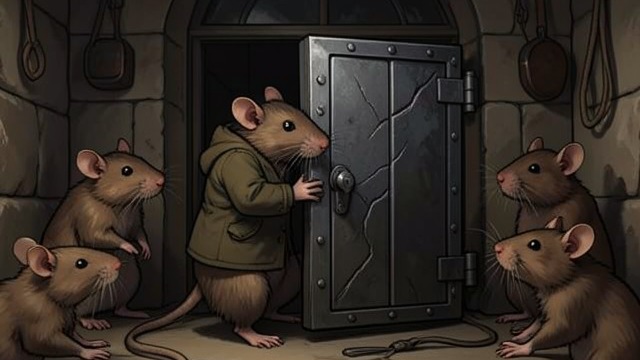
Cooperation as Necessity
A difficult lesson
Dangerous Beans argues that the Rats must cooperate or die, turning a practical insight into a principle.
A challenge to hierarchy
The idea threatens leaders who once relied on strength and secrecy to preserve their authority.
Rules Against Violence
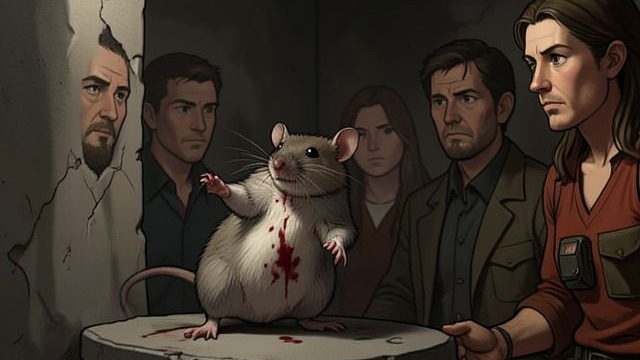
A Moral Boundary
The written rule
Peaches records the principle that no Rat should kill another Rat.
Ideals under pressure
The rule remains difficult to apply when food is scarce, ordinary Rats are treated as rivals, and immediate survival seems to demand violence.
A Mob in the Tunnels
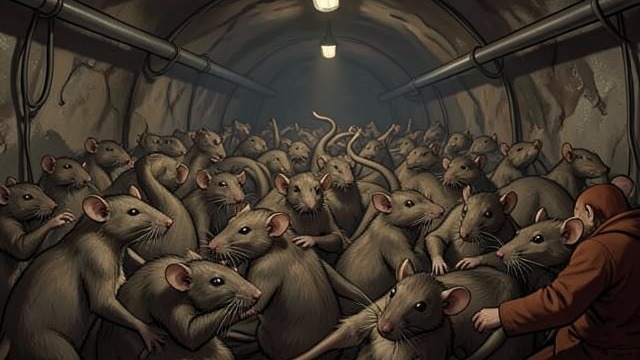
Shared Fear Without Shared Judgment
Collective collapse
The Changelings flee as a frightened mass, demonstrating that a group can act together without exercising thought.
A serious distinction
Their experience unsettles the easy claim that belonging alone makes a community strong or ethical.
Spider’s Offer
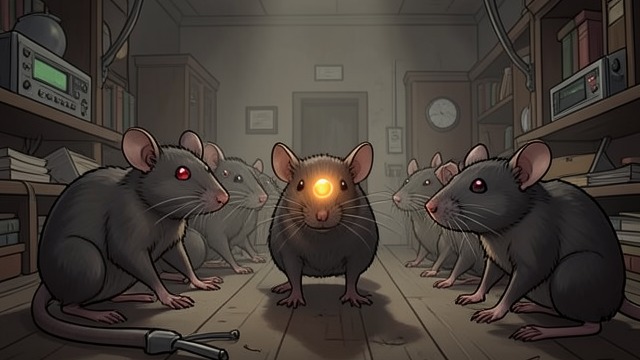
Unity as Control
A shared mind
Spider promises strength through one consciousness that directs many Rats and converts their suffering into revenge.
The hidden cost
Dangerous Beans recognizes that Spider calls submission cooperation while denying each follower independent thought and moral standing.
A Deliberate Clan
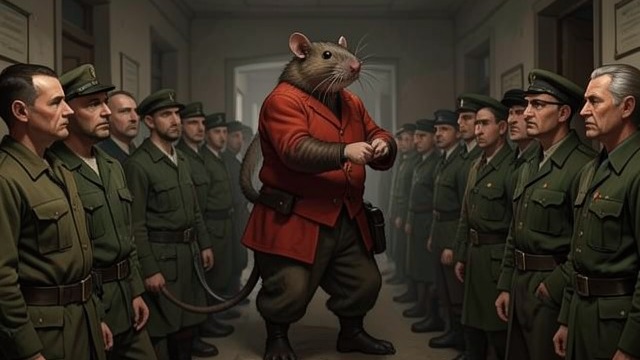
Cooperation with Choice
Organized resistance
Darktan coordinates the Clan without claiming ownership of its members’ minds or decisions.
A civic alternative
The accord with Bad Blintz offers cooperation through rules, negotiation, and reciprocal limits rather than domination.
During the Clan’s early life after the Change
As the Clan establishes its base beneath Bad Blintz
During the caged-rat panic
During the confrontation in the cellar
After Spider’s defeat and during the council
