Stories versus reality
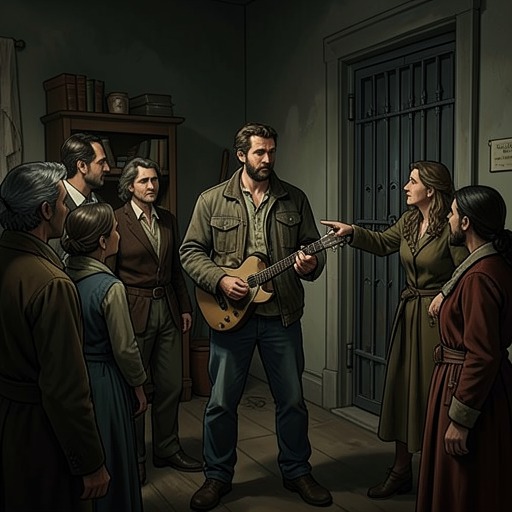
The Amazing Maurice and His Educated RodentsStories versus reality is not simply a contrast between imagination and fact. It is a struggle over how to interpret events and what those interpretations permit people to do. Malicia Grim sees life through the patterns of stories, which offer explanations and possible actions; Keith argues that a story-shaped expectation cannot shield anyone from real fear or danger. The novel’s tension between them asks when stories clarify the world and when they make it harder to see.
The premise: people, Rats, and stories
At the outset, the book offers two related ways of describing itself. Maurice sees a story about people and Rats, with the difficult question being which is which. Malicia, by contrast, calls it a story about stories. Her formulation shifts attention from the identity of the characters to the patterns through which events are understood. The difference is not merely a disagreement over genre: Maurice’s description makes classification uncertain, while Malicia’s points toward the power of narrative itself.
That framing gives the later conflict between Malicia and Keith a wider reach. Their dispute is not whether stories exist, but how much authority they should have over an unfolding situation. Malicia uses familiar story structures to connect clues and imagine a course of action. Keith keeps returning to the immediate experience of the people involved. Each approach can reveal something the other misses, but the consequences of treating a pattern as a guarantee become increasingly important.
Malicia reads events as a plot
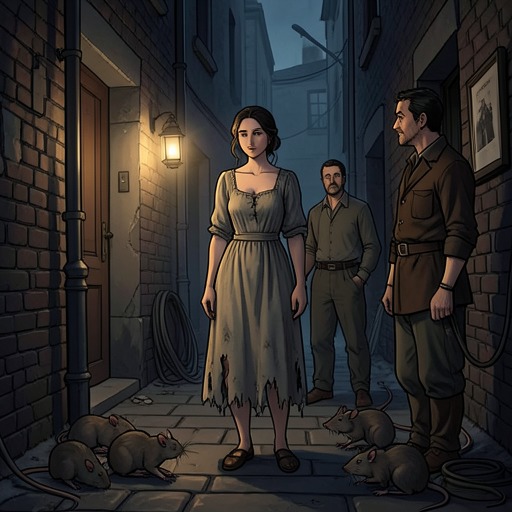
When Malicia encounters Maurice, Keith, and Sardines amid the wreckage, she assembles an explanation from what she sees. She proposes that one Rat is magical, that others may share his intelligence despite their tap-dancing, and that the Rats and the cat are friends because some arrangement exists between them. Her reasoning is speculative, but it is not random: she treats puzzling details as clues in a story whose underlying pattern can be discovered.
That habit also shapes her response to the rat-catchers. Malicia proposes collecting evidence and taking it to the council, where exposing the wrongdoing would make the action a matter of saving the day rather than committing a crime. She immediately adds that the council and the Watch might be allied with the rat-catchers, so they should not be trusted. The possibility of corruption does not make her abandon her story-shaped plan; instead, it becomes another familiar complication to work around. When the group needs a way in, she is confident they can shimmy the nodger with a hairpin because she has read about such a feat hundreds of times. Stories supply her with tactics and confidence, even when their resemblance to the actual circumstances has yet to be tested.
Keith insists on the immediate reality
The gap between Malicia’s interpretive confidence and Keith’s practical concern becomes sharp when the Rats are in distress. Keith objects to a threat against one of them and insists that the situation is real, not a story: the Rats are frightened. His protest redirects attention from what might make a dramatic scene to the fear of the beings caught inside it. In this moment, the distinction matters ethically. The Rats are not clues, plot devices, or proof that a theory is correct; their distress demands a response in its own right.
Keith makes the same point later, when he and Malicia are tied up. He patiently explains that real life does not provide the protections a story might seem to promise: magic will not ensure that they remain safe, that criminals overlook them, or that danger stops short of becoming serious. The circumstance gives his argument its force. What Malicia may have treated as a recognizable adventure pattern offers no dependable protection to people actually at its mercy. Her strained reply is to mention that her grandmother and great-aunt, Agoniza and Eviscera Grim, were famous storytellers. The appeal locates her attachment to stories in her family history, but it does not answer Keith’s warning about the limits of narrative expectation.
Storytelling as agency—and risk
Malicia’s most direct statement of the conflict comes when Keith dismisses music as his only interest after his pipe has been broken. She argues that a person who does not turn life into a story risks becoming part of someone else’s. For her, narrative is not merely an escape from reality; it is a way to claim a role and act rather than be passively assigned one. Keith’s question—what happens when the story does not work—exposes the danger in that confidence. Malicia’s answer is to keep changing it until one does. Her position is therefore less a claim that every story is true than a determination to revise her account and try again.
The contrast remains unresolved as a simple choice between Malicia’s imagination and Keith’s realism. Her stories help her infer connections, devise plans, and resist passivity. Keith’s insistence on reality checks those plans against the fear and vulnerability of others, and against the absence of any guaranteed protection. Together, their opposing emphases make the concept practical: stories can help people choose what to do, but they cannot substitute for attending to the lives and consequences in front of them.