
Warhol and the Changing Club Scene
The Andy Warhol DiariesThis thread traces nightlife from the glamour of Studio 54 through new downtown venues and the changing crowds that shaped Warhol’s later social life.
increasing Bearing strength in each event
 decreasing
Bearing strength in each eventdecreasingStudio 54’s Golden Years

Studio 54’s Golden Years
A social spectacle
Studio 54 brought celebrities, models, performers, and club employees together in a carefully staged environment.
Warhol valued its beauty, intensity, and capacity to surprise, while watching people use the club to become visible.
Admission as status
The door, the basement, and the club’s famous guests became part of its public mythology.
New Clubs After the Raid
New Clubs After the Raid
Nightlife shifts venues
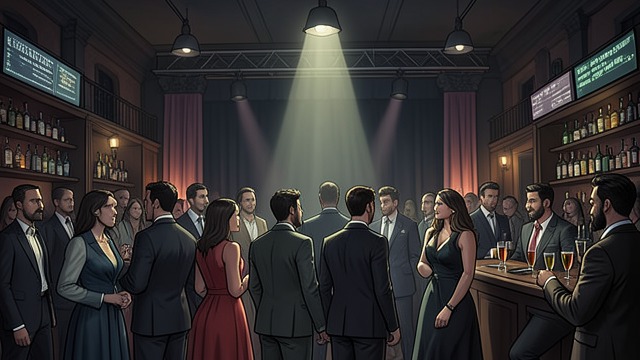
After Studio 54’s legal troubles, new places such as Xenon, the Mudd Club, and the Palladium drew changing crowds.
Warhol sampled each venue, noting which had glamour, which had good-looking people, and which felt forced.
Competition and imitation
Clubs copied the basement rooms, celebrity access, and themed spectacles that had made Studio 54 famous.
Downtown’s New Aesthetic
Downtown’s New Aesthetic
New artists and music
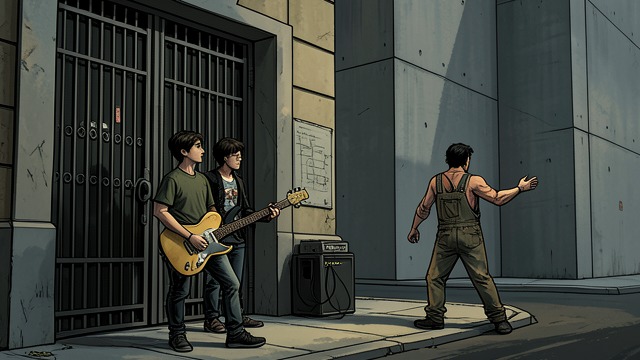
Keith Haring, graffiti artists, punk performers, and fashion figures helped define a younger downtown scene.
Warhol moved between these crowds, sometimes energized by their originality and sometimes uncertain about their taste and ambitions.
A generational divide
The new scene recalled the sixties while also making Warhol feel older and less central.
The Saint and New Exclusivity
The Saint and New Exclusivity
A new club model
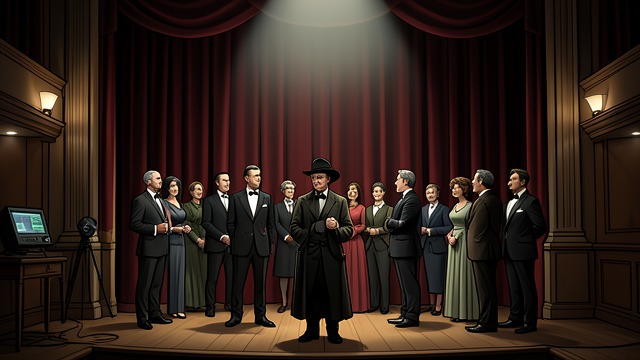
The Saint opened in a converted theater with a dramatic light show and a demanding membership system.
Warhol compared it favorably to Studio 54 but also noticed how quickly the club’s exclusivity became its own performance.
Access remains unstable
Even famous guests depended on doormen, promoters, and social connections to get inside.
The Palladium Era
The Palladium Era
Spectacle returns
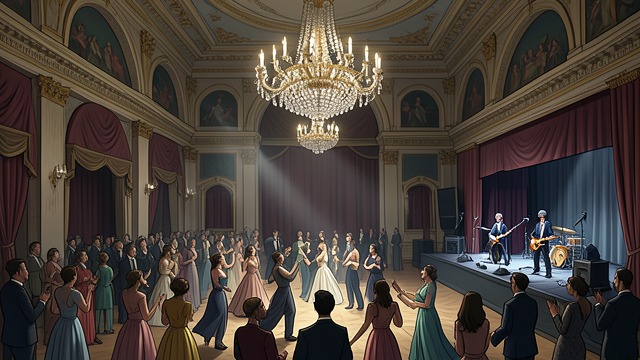
The Palladium offered elaborate installations, themed events, fashion, and music on a scale reminiscent of the old club scene.
Warhol attended openings and parties while observing how crowd behavior could overwhelm even the art and design.
A changing social center
New clubs repeatedly promised a fresh beginning, but Warhol recognized that the same cycles of access and exhaustion returned.
1977–1978
1979–1981
Early 1980s
1980–1981
1985–1987
