
Popism and the Recovered Past
The Andy Warhol DiariesThis thread follows Warhol’s attempt to make the sixties legible through Popism while old memories and present relationships repeatedly complicate the past.
increasing Bearing strength in each event
 decreasing
Bearing strength in each eventdecreasingA Memoir Takes Shape
A Memoir Takes Shape
Reworking memory
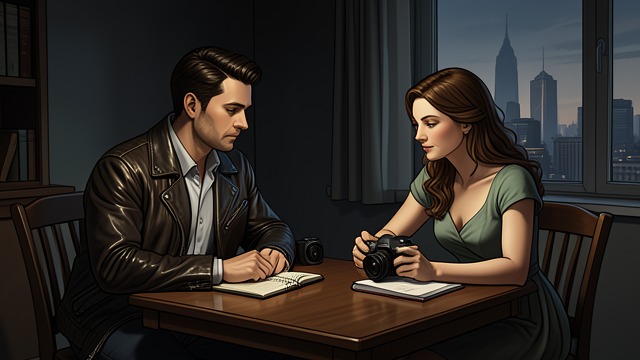
Warhol and Pat Hackett began collaborating on Popism, a memoir of the sixties assembled from interviews and recorded conversations.
The project turned Warhol’s memories of artists, films, parties, and the Factory into a deliberate narrative.
Past and present meet
Writing about earlier years also reopened old relationships and disagreements.
Remembering the Factory
Remembering the Factory
A changing cast
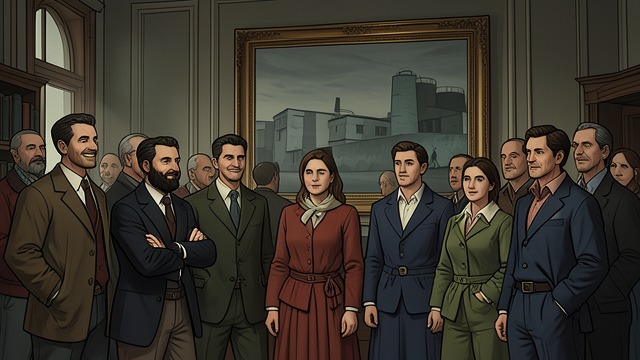
Warhol revisited people from the Factory years, including collaborators and superstars whose lives had diverged.
Some had become famous, some had withdrawn, and others reappeared with new claims on the past.
Memory remains selective
The diaries show that recollection was unstable, affectionate, funny, and sometimes openly dismissive.
Old Stories Become Public
Old Stories Become Public
Reputations are rewritten
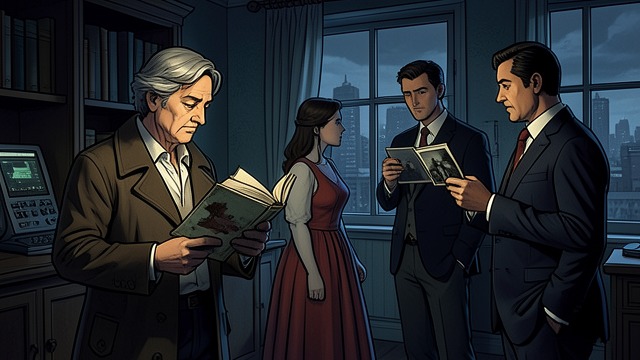
Books, interviews, and magazine stories revived narratives about Edie and the sixties.
Warhol worried that other writers were using people’s memories without permission or presenting contested versions as fact.
The archive’s value
Photographs, tapes, and personal recollections became resources in a competition to shape cultural history.
The Cost of Candor
The Cost of Candor
Interviews expose relationships
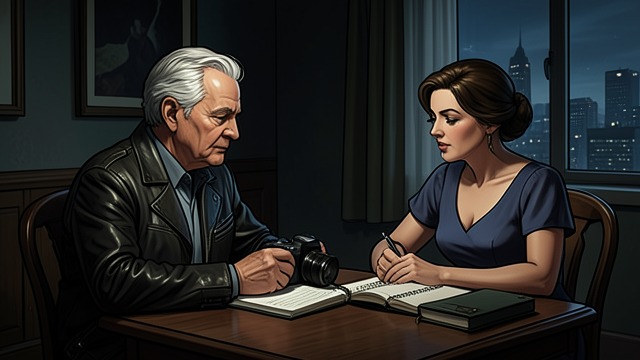
Warhol’s conversations and recordings could reveal intimate stories, angering people who feared publication.
He often saw candor as entertainment and material, while friends saw the same openness as betrayal or risk.
A shifting boundary
The line between private life and public narrative became harder to maintain as the diaries and books circulated.
Past as an Ongoing Project
Past as an Ongoing Project
Memories keep resurfacing
Old films, former collaborators, long-lost objects, and interviews returned throughout Warhol’s later years.
He remained curious about what had happened to people and how their stories might still be used.
No settled history
The diary never fixes the sixties into a single authoritative account; it shows memory being revised in real time.
After 1975
During the late 1970s
1980–1982
1982–1984
1984–1987
