
The Art of Collecting and Keeping
The Andy Warhol DiariesThis thread follows Warhol’s collecting habits, his fascination with objects, and the conflict between saving everything and owning too much.
increasing Bearing strength in each event
 decreasing
Bearing strength in each eventdecreasingEverything Is Interesting
Everything Is Interesting
A collector’s attention
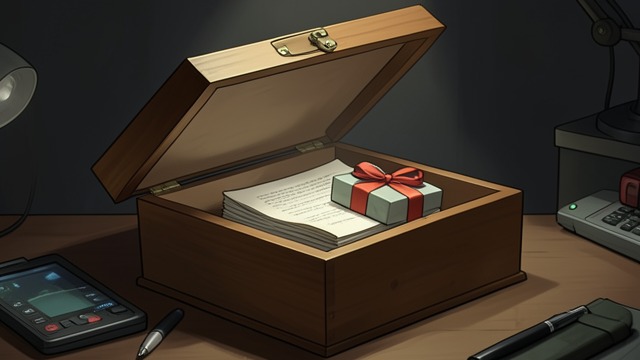
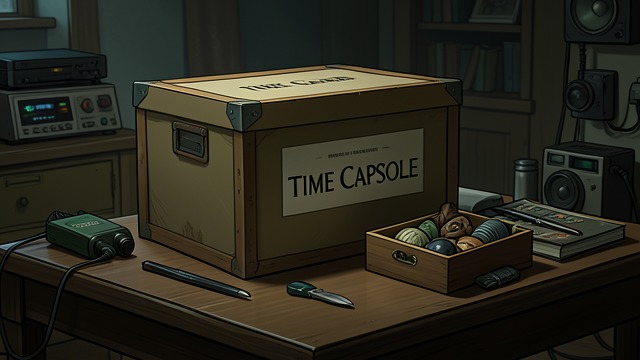
Warhol treated letters, invitations, magazines, gifts, and odd objects as potential material for his Time Capsules.
Most incoming things were not kept for daily use; they were boxed and sealed as records of a moment.
Curiosity as method
The archive reflected his belief that almost anything could become interesting when preserved.
Shopping as Research
Shopping as Research
The daily search
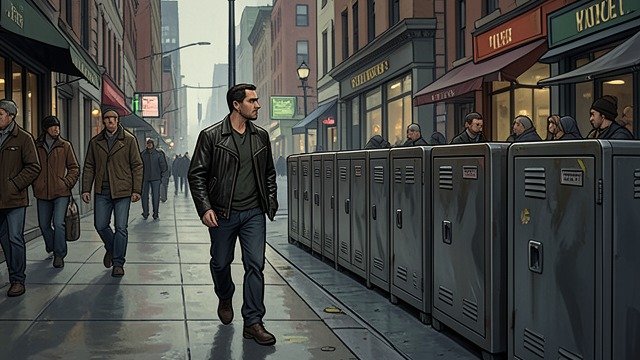
Warhol walked through stores, auctions, and markets looking for objects, colors, packaging, and ideas.
His shopping was both a pleasure and a form of visual research that fed drawings, paintings, and the magazine.
A city of references
The routine connected artistic discovery with the commercial spaces of New York.
The Price of Rarity
The Price of Rarity
Categories disappear
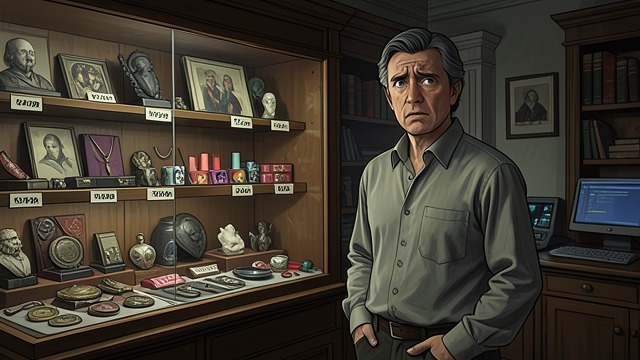
Warhol believed that certain objects became scarce as collectors acquired and stored them.
He watched prices rise for posters, jewelry, antiques, and art, and often regretted items he had once let go.
Markets reshape memory
The value of an object could change rapidly, turning past purchases into stories about missed opportunity.
A House Full of Objects
A House Full of Objects
Collection and clutter
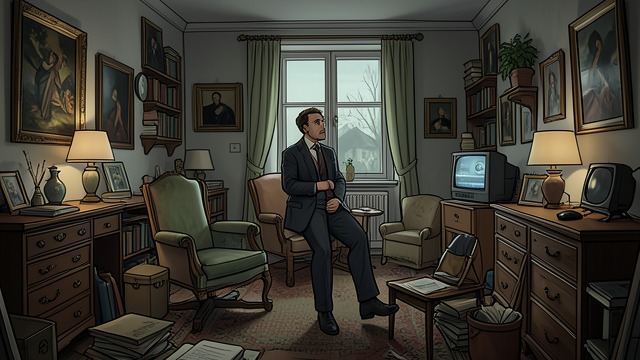
Warhol’s home accumulated furnishings, art, gifts, clothing, and objects that reflected years of shopping and social exchange.
He sometimes worried that possessions made his rooms feel heavy and that antiques made him look like his surroundings.
The desire for emptiness
At moments he longed for white walls, clear floors, and a less burdened life.
Archives as Future Value
Archives as Future Value
Saving becomes a strategy
Warhol considered whether his stored objects and time capsules could be exhibited or sold as artworks.
The idea joined his desire to preserve everyday life with his ability to turn documentation into a marketable object.
Art and ownership blur
The archive raised a lasting question: when everything can be kept, what makes something worth keeping?
1970s
Late 1970s
Late 1970s to 1980s
1980s
1980s
