
Interview Magazine’s Rise and Strain
The Andy Warhol DiariesThis thread follows Interview from a low-budget experiment into a fashionable publication whose growth brought both influence and internal tensions.
increasing Bearing strength in each event
 decreasing
Bearing strength in each eventdecreasingA Movie Magazine Idea
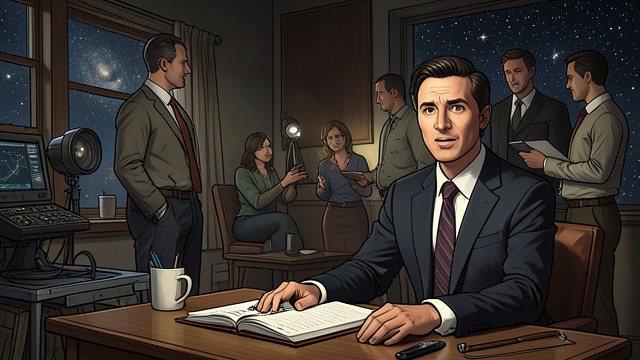
A Movie Magazine Idea
Stars in their own words
Warhol conceived Interview as a magazine oriented toward movies, with stars talking in their own words and, where possible, interviewing one another.
The publication began on a low budget, reflecting Warhol’s preference for financing a venture himself and building it gradually.
An improvised start
Early production depended on a small group of Factory collaborators and ad hoc solutions to editorial problems.
A Growing Social Supply
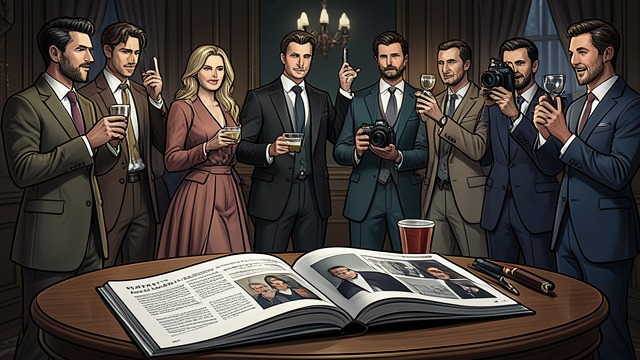
A Growing Social Supply
More activity at the magazine
Warhol became increasingly involved in layouts, advertising lunches, and promoting Interview after becoming its full owner and publisher.
The magazine supplied a steady stream of new faces and promises of visibility for people who once sought roles in his films.
A fashionable invitation
By 1976, celebrities wanted to appear in Interview, which had developed a glamour built partly on sophisticated self-mockery.
The OUT Column
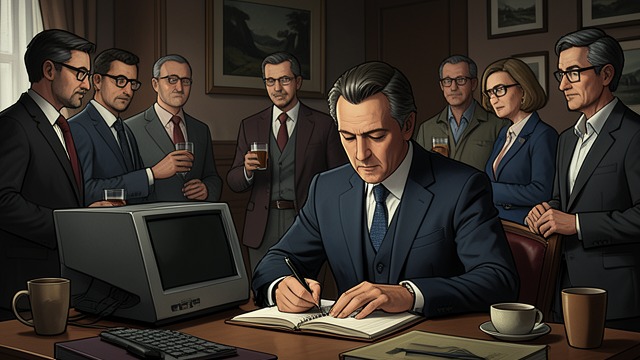
The OUT Column
Social life as copy
Bob Colacello’s “OUT” column turned around-the-clock socializing and name-heavy gossip into a recognizable part of the magazine.
The column helped position Interview within an elite, self-conscious culture of parties, fashion, and celebrity news.
Editorial tension
The magazine’s social value depended on access, but access also created disputes over invitations, coverage, and who controlled its voice.
A Difficult Staff Culture
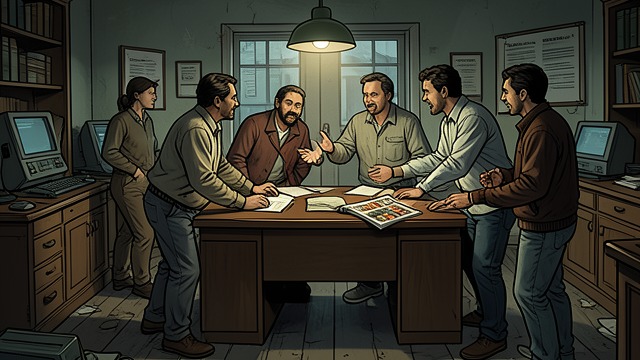
A Difficult Staff Culture
Conflicting expectations
Employees faced uneven workloads, office interruptions, and disputes about editing, assignments, and responsibility.
Warhol sometimes saw staff as both essential collaborators and unreliable dependents, while editors argued over quality and control.
The magazine’s vulnerabilities
Advertising claims, limited resources, and staff departures exposed how fragile the publication could be beneath its glamorous image.
A Changing Editorial Team
A Changing Editorial Team
A new generation arrives
New employees, editors, writers, and photographers changed the magazine’s daily culture as the office moved and expanded.
Some staff were more focused on fashion and celebrity; others were drawn to writing, video, and contemporary art.
Reassessment of the partnership
Warhol increasingly recognized that the magazine needed both organized professional work and the social access that had made it distinctive.
1969
1975–1976
Mid-1970s onward
Late 1970s to early 1980s
1983–1984
