
Warhol’s Changing Relationship with His Work
The Andy Warhol DiariesThis thread follows Warhol’s shifting confidence in his art, from belief in commercial imagery to doubt about repetition and his legacy.
increasing Bearing strength in each event
 decreasing
Bearing strength in each eventdecreasingPop as a Breakthrough
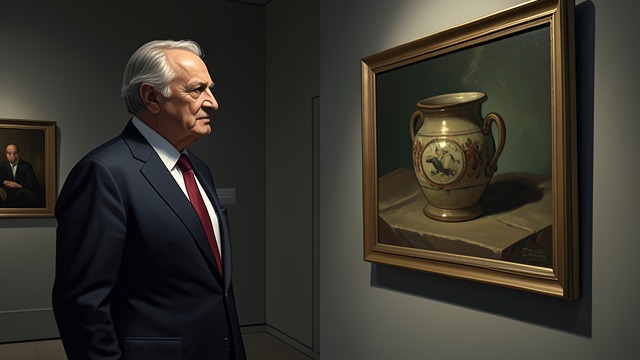
Pop as a Breakthrough
Ordinary images become art
Warhol’s paintings transformed familiar products and celebrities into images that could circulate between museums, galleries, and mass culture.
The approach challenged distinctions between commercial design and fine art.
A new public identity
Pop Art established Warhol as both an artist and a participant in celebrity culture.
A Commercial Portrait Practice
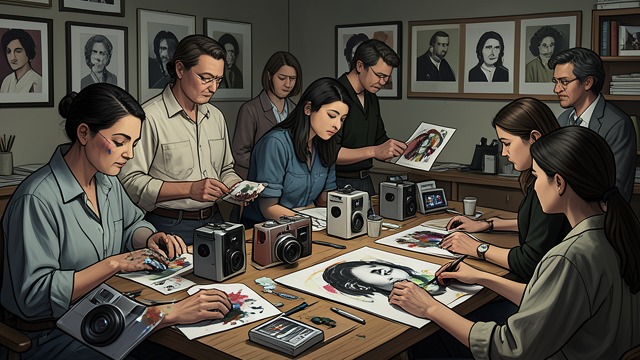
A Commercial Portrait Practice
Making a recognizable image
Warhol developed a repeatable portrait process using Polaroids, retouching, silkscreens, and assistants.
The system turned portraiture into a dependable source of income while preserving a recognizable visual signature.
Praise and suspicion
The commercial nature of the work made some critics dismiss it even as collectors competed for portraits.
Fearing the Old Look
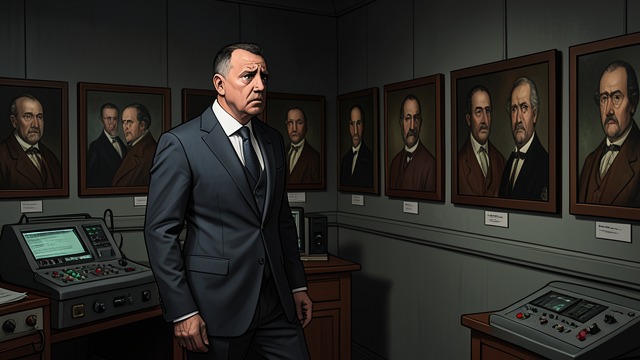
Fearing the Old Look
A problem of repetition
Warhol worried that repeated images and familiar methods could make his work seem out of date.
He compared his own output with the rising attention given to other artists and wondered whether his best years were behind him.
Continuing despite doubt
The worry did not stop him from making work, but it changed how he judged each new project.
New Collaborations
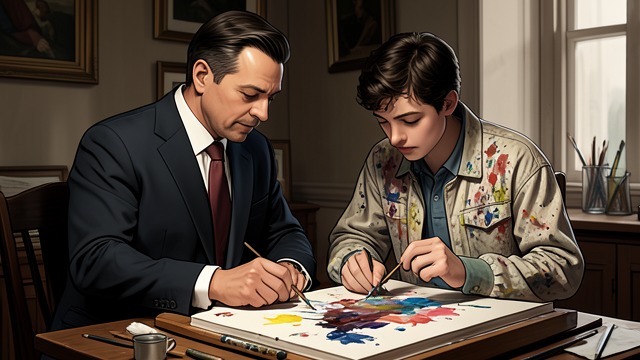
New Collaborations
Working with younger artists
Warhol collaborated with artists such as Jean-Michel Basquiat and Keith Haring, engaging with new work and new audiences.
These collaborations expanded his practice while bringing his reputation into contact with changing art-market tastes.
Unequal pressures
Warhol’s established fame and a younger collaborator’s rapid rise could create unequal expectations around credit, sales, and influence.
A Legacy Still in Motion
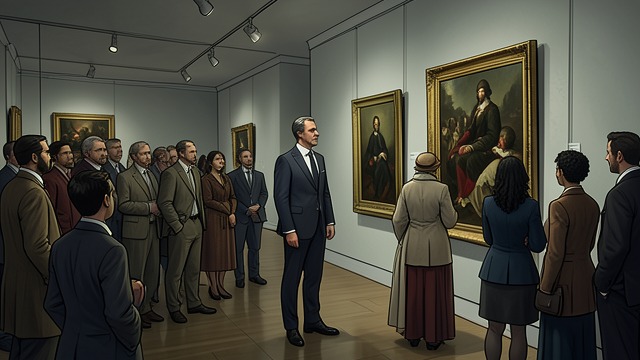
A Legacy Still in Motion
Exhibitions and rankings
Warhol continued to exhibit, sell, and revisit work while reading reviews and watching auction prices.
Praise, criticism, and market value rarely aligned, leaving him uncertain about how his work would be remembered.
The artist’s unfinished judgment
He remained active until his final illness, without settling whether his work belonged to the past or the future.
1960s
1970s
Late 1970s
1980s
1984–1987
